Why Temperature Control Is the Real Job of an Insulated Bag
According to the USDA Food Safety and Inspection Service, bacteria multiply fastest between 40°F (4°C) and 140°F (60°C)-the temperature danger zone. Food that stays in this range for more than two hours carries a genuine health risk, regardless of how it looks or smells.
That's the actual job of an insulated food bag: keep cold food below 40°F and hot food above 140°F for as long as the food is in transit or waiting to be eaten. A bag that looks premium but can't hold temperature through a standard lunch commute isn't doing the job it was sold to do. That standard is what your next purchase should be measured against.
The Specs That Separate a Reliable Bag from a Disappointing One
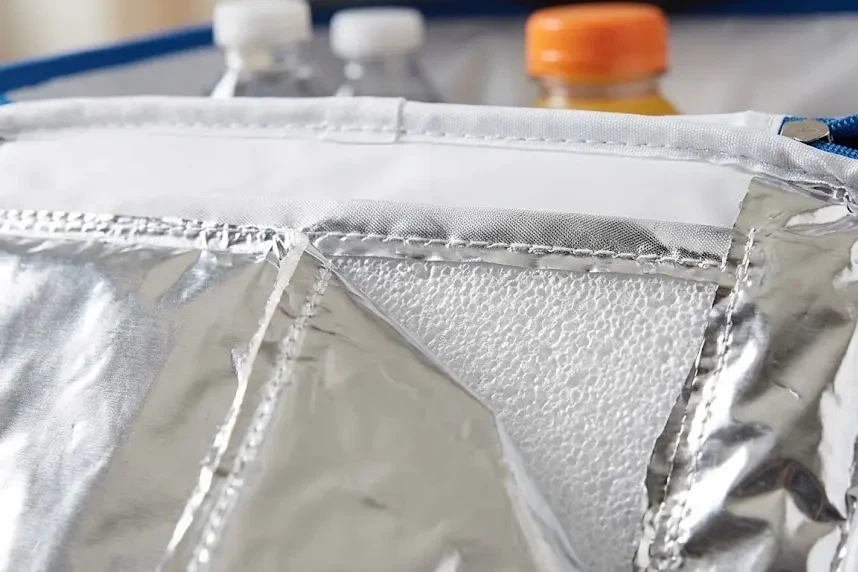
Insulation Core: Material and Thickness
Most bags combine a foam layer with a reflective lining-but the quality of both varies considerably. Expanded polyethylene foam (EPE) is lightweight and inexpensive; it works well for short windows under two to three hours but drops off noticeably after that. Closed-cell PE foam and polyurethane foam are denser and retain temperature for longer. The reflective aluminum foil layer complements the foam by reducing radiant heat transfer-it acts like a mirror for thermal energy rather than absorbing it. Foam plus reflective lining together is the functional baseline worth paying for; either alone is a compromise.
The outer shell material also matters beyond aesthetics. Insulated polyester cooler bags are the most widely used option for everyday and commercial applications-durable, water-resistant, and compatible with most print methods. Cotton insulated bags offer a softer, more natural look that resonates in retail gifting and premium brand contexts. Each material has real trade-offs in durability, care requirements, and print durability that go beyond what the surface appearance suggests.
The Closure: Where Temperature Actually Escapes
Insulation only works if warm air can't get in. Heavy-duty coil zippers offer the most reliable seal under repeated daily use. Velcro closures are faster to open-which is why they appear on many delivery and pizza bags-but degrade with lint buildup and progressive use, and don't seal as tightly as a quality zipper. Magnetic closures are convenient but generally underperform in extended temperature retention situations.
One detail most buyers overlook: check the corners and seam edges, not just the main opening. That's where air infiltration typically begins on lower-quality bags, often long before the zipper shows visible wear.
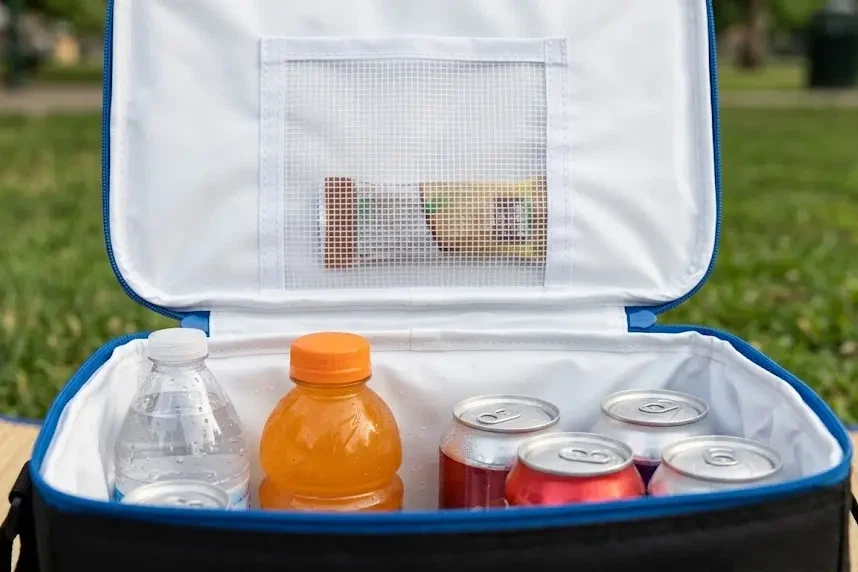
Interior Lining: Hygiene Over Time
Food bags accumulate grease, moisture, and odor-the lining determines how manageable that becomes over months of use. PEVA (polyethylene vinyl acetate) is the most common food-grade lining choice. Unlike PVC, PEVA contains no chlorine or phthalates, which is why it's used in food-contact applications where material safety matters. It's also fully wipeable-the difference between a bag that stays hygienic and one you end up replacing after a season. Our PEVA-lined cooler bags use this construction as standard.
Avoid fabric-only interiors for regular food use. They absorb odors permanently and can't be properly sanitized. Where possible, look for heat-welded or seamless interior construction-fewer seams means fewer places for residue to collect.
Capacity, Fit, and How You'll Actually Carry It
Oversizing is a more common mistake than it sounds. A large bag used for a small load traps excess air, which accelerates temperature change-the insulation has more interior volume to maintain with the same thermal mass inside. Counterintuitively, a snug-fitting bag often outperforms a larger bag for the same load, even if the larger bag has better insulation specs on paper. Size to your typical load, not your maximum.
Carry design matters beyond comfort. Delivery drivers on bikes or motorcycles benefit most from a backpack-style bag with a rigid base-to keep food level during transit-and reflective strips for night visibility. For car-based delivery or event catering, a handled thermal carrier with wide-mouth access is more practical. For everyday use, a compact tote-style bag is usually the most convenient option.
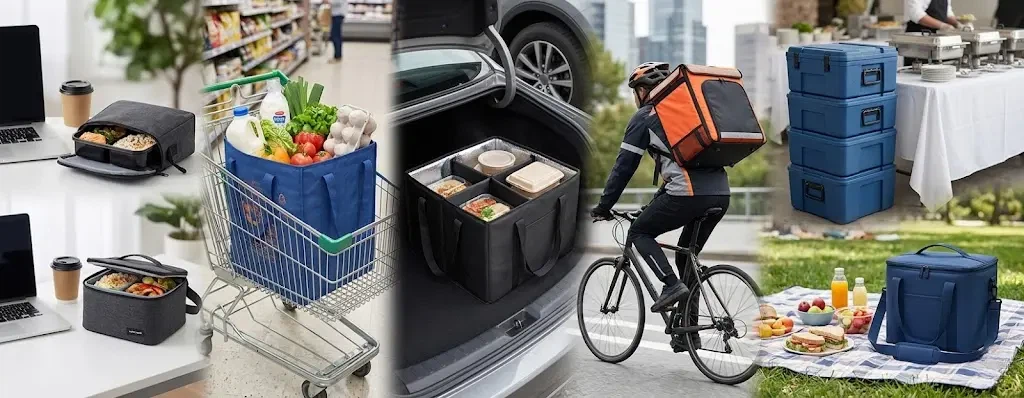
Matching Bag Type to Your Actual Use Case
| Use Case | Best Bag Type | What to Prioritize |
|---|---|---|
| Daily lunch (work or school) | Compact soft-sided bag | Wipeable lining, reliable zipper |
| Grocery run (1–2 hrs) | Cooler-style tote | Leak-proof base, ice pack pockets |
| Cycling or motorcycle delivery | Insulated delivery backpack | Rigid base, reflective strips, quick-open access |
| Car-based food delivery | Large insulated tote with dividers | 15–25L capacity, internal compartments |
| Catering or event transport | Hard-sided thermal carrier | Extended retention, stackable design |
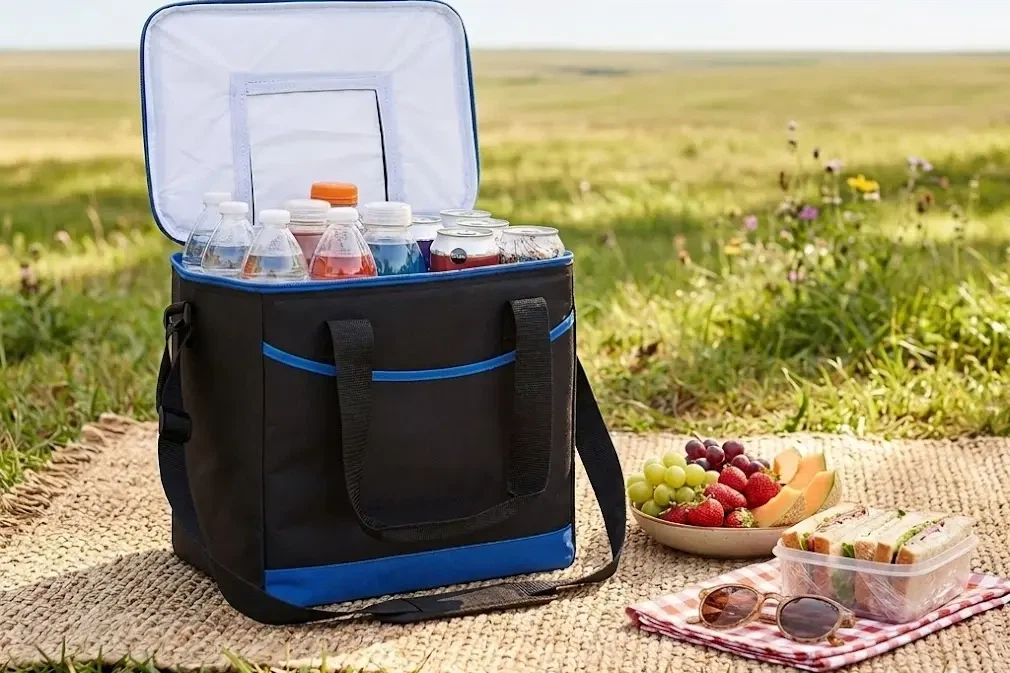
| Outdoor picnic or half-day outing | Soft cooler bag | Thick foam core, shoulder strap |
For material-specific options across these use cases: non-woven cooler bags are a lightweight, cost-effective choice suited to grocery, promotional, and everyday carry. Cotton cooler bags work well when presentation matters as much as function-retail gifting, events, and brand-facing applications. If you're evaluating non-woven options for wholesale or B2B sourcing, our non-woven cooler bags B2B sourcing guide covers construction specs and minimum order considerations in detail.
How Long Will It Actually Keep Food at Temperature?
Marketing claims in this category almost always describe best-case lab performance. Real-world retention depends on insulation thickness, the food's starting temperature, ambient conditions, fill level, and how often the bag is opened during transit. Every variable compounds.
Here's a practical reference based on typical construction types:
| Construction Type | Cold Food (with ice packs) | Hot Food (sealed, no aids) |
|---|---|---|
| Thin EPE foam only | 1.5–3 hours | 30–60 minutes |
| PE foam + reflective lining | 4–6 hours | 1.5–2.5 hours |
| Thick multi-layer foam, tight seal | 8–12 hours | 2.5–4 hours |
These are real-world estimates under typical use conditions, not manufacturer lab claims. Actual performance varies by ambient temperature, fill level, and how frequently the bag is opened.
Three practices that make a consistent difference regardless of bag quality:
- Pre-chill or pre-warm the bag before loading. A room-temperature bag forces your ice packs to first cool the bag itself before they start protecting the food. Place an ice pack in the empty bag for 15 minutes before loading cold items.
- Place ice packs above the food, not below. Cold air descends. Top-loaded ice packs cool everything beneath them more evenly than bottom-loaded packs.
- Fill the bag to 70–90% of capacity. Dead air space works against you-in hot scenarios, it lets warm air circulate; in cold scenarios, there's more interior volume to maintain with the same amount of cooling.
For a detailed breakdown of packing strategies and ice type comparisons, see our guide on how to keep a cooler bag cold longer.
Budget Tiers: What You Get at Each Price Point
Price and performance correlate in this category-but not as cleanly as the marketing suggests. Here's what each tier realistically delivers:
- Entry level ($8–20): Thin EPE foam, basic foil lining. Adequate for 2–3 hour use and casual daily carry. Not suitable for extended delivery, catering, or situations where temperature consistency matters.
- Mid-range ($20–50): PE foam construction, wipeable PEVA lining, reliable zippers. This tier covers most everyday needs and light commercial use comfortably-it's where most buyers should start.
- Commercial or custom grade ($50+): Thicker foam, reinforced stitching and hardware, larger capacity options, usually available with custom branding. Built for repeated daily use in delivery and catering contexts where durability compounds over time.
For businesses sourcing at volume, print durability and brand presentation become as important as base construction quality. Our guide to polyester cooler bags for branding covers what to specify when placing bulk orders-from fabric weight to print method options.
Five Buying Mistakes Worth Avoiding
- Sizing up "just in case." Excess air space inside the bag accelerates temperature loss. Buy to your typical load, not your maximum load.
- Trusting the "insulated" label without checking specs. There is no regulated performance standard for the term. Always verify foam type and construction details in the product description rather than relying on the label alone.
- Overlooking the lining material. A wipeable, food-grade interior is what makes a bag maintainable over time. Fabric interiors absorb odors and cannot be properly sanitized-they degrade the bag's usefulness faster than any other component.
- Loading room-temperature food directly. Insulated bags slow temperature change; they don't create it. Pre-chill or pre-heat your food before packing for meaningfully better results-especially on longer routes.
- Skipping maintenance. Grease and moisture residue in seams accelerate bacterial growth regardless of insulation quality. Wipe the interior after every use and store with the zipper slightly open to allow airflow. A neglected bag loses both hygiene and performance faster than the foam or zipper will.

Material Safety, Certifications, and Eco Claims
If the bag will be in regular contact with food, look for linings described as food-grade or BPA-free-and confirm the specific material. PEVA is the standard choice and is meaningfully different from PVC in terms of chemical composition and food-contact safety. This isn't just marketing language; it reflects a real material distinction.
For brands sourcing with environmental goals, third-party certifications carry more weight than sustainability marketing copy. OEKO-TEX Standard 100 confirms that tested substances fall below harmful threshold levels; GRS (Global Recycled Standard) verifies recycled content claims with actual chain-of-custody documentation. Our breakdown of certifications to look for when buying bags explains what each standard actually guarantees-and which ones carry meaningful verification versus which are largely self-declared. For a broader comparison of material trade-offs across cotton, polyester, and non-woven options, see our analysis of which bag material is truly the most sustainable.
Frequently Asked Questions
What is the difference between a thermal bag and a cooler bag?
Thermal bags are generally designed to retain heat-keeping hot food warm during transport. Cooler bags are built primarily for cold retention, typically used with ice packs. In practice, many modern insulated bags handle both reasonably well; the distinction often has more to do with design emphasis than fundamental construction. For a side-by-side breakdown of where the categories genuinely diverge, see our comparison of thermal bags vs insulated bags.
How do I know if my insulated bag is still performing well?
Use a food thermometer. Pack food at a known temperature, then check it at the end of your typical use window. If hot food has dropped below 140°F or cold food has risen above 40°F, the bag is no longer adequate for that use case. Visible signs-thinning lining, cracked foam, loose zipper seals-typically begin to appear before performance drops noticeably, so routine inspection is worth the habit.
Is PEVA lining safe for food contact?
Yes. PEVA (polyethylene vinyl acetate) does not contain chlorine or phthalates, making it a food-safe alternative to PVC for use in insulated bag linings. It is the material of choice in most quality insulated food bags, including our PEVA insulated lunch bags.
What size bag do I need for food delivery?
For most single-restaurant delivery orders covering one to three meals, 15–20 liters is sufficient for standard takeout containers. Multi-order delivery or catering typically calls for 20–30 liters with internal dividers to prevent mixing and temperature crossover. Pizza delivery bags are sized by box diameter-match to your most common order size rather than defaulting to the largest option available.
If you're sourcing custom insulated bags for a business or brand program, contact our team for specification guidance and volume pricing.