Five years ago, cooler bags were mostly event giveaways. Today, they're standard equipment for delivery brands, retailers, and corporate gifting programs. But here's what we see constantly: buyers focus on price per unit without understanding how foam thickness, lining quality, and seam construction affect whether the bag actually keeps food cold.
A cheap cooler bag that fails after 20 uses-or worse, lets a customer's lunch spoil-damages your brand more than any money saved. We've manufactured insulated bags for nearly two decades, and the gap between a $3 bag and a $5 bag often determines whether your brand gets used daily or ends up in a closet.
Below, we'll walk through what actually matters when ordering custom polyester cooler bags in bulk-the technical factors most suppliers won't explain and the mistakes that cost buyers thousands.
Why Polyester Works for Cooler Bags
Walk into any factory producing cooler bags at scale, and you'll see polyester dominates. Not because it's cheapest-it's not-but because it solves problems that cotton and non-woven materials create.
We tried cotton cooler bags early in our production history. Within three weeks of commercial use, clients reported mildew odor. The natural fiber absorbed moisture from ice pack condensation, and once damp, cotton stays damp. One food delivery service had to replace 35% of their cotton bag inventory per quarter just due to odor complaints. After switching to polyester with PEVA lining, their replacement rate dropped under 5%.
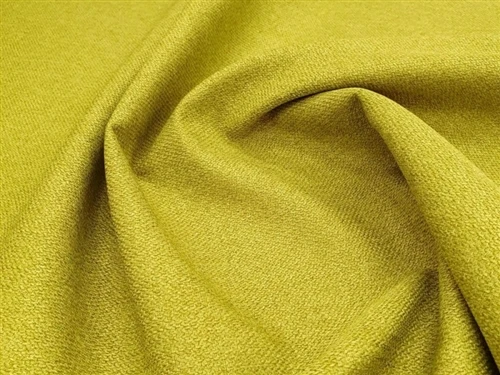
Polyester's synthetic structure repels moisture instead of absorbing it. More importantly for manufacturing, it bonds reliably with foam insulation. When we laminate EPE foam to cotton, the adhesive struggles with the irregular fiber surface. With polyester's consistent weave density, we get uniform bonding-no air gaps that kill thermal performance.
Performance in Actual Use
A corporate client once showed us their old cotton cooler bags after six months. The logos had faded to maybe 40% of original vibrancy-and these were bags stored indoors, not exposed to constant sun. Their new polyester bags with screen printing? Still sharp after 200+ delivery cycles.
The difference shows up in testing too. We run comparative thermal tests: identical bag design, one in cotton, one in polyester. Same 5mm EPE foam, same PEVA lining. The cotton version started showing reduced retention after about 50 uses as moisture gradually degraded the foam adhesion. Polyester version maintained consistent performance past 300 cycles.
Insulation Materials: What Actually Keeps Food Cold
Here's what determines whether your cooler bag keeps lunch cold for 2 hours or 8 hours. And it's not what most spec sheets emphasize.
Foam Types in Real Production
EPE foam (expanded polyethylene) runs about 80% of our cooler bag orders. It's available in 3mm, 5mm, and 8mm thicknesses, and the performance difference is dramatic. In our climate-controlled test room at 25°C, a bag with 3mm EPE keeps ice packs effective for about 2.5 hours. Same bag with 8mm EPE? We're seeing 6-7 hours before internal temperature rises above 10°C.
PU foam (polyurethane) performs better per millimeter-roughly 50% higher R-value than EPE. But it costs more and feels stiffer, which matters for bags that get folded and stuffed into car trunks daily. We use PU foam mainly for specialized applications like pharmaceutical transport, not promotional cooler bags.
XPS foam shows up in budget cooler bags, and it's where buyers get burned. XPS compresses permanently. After maybe 30 uses with normal loading, the foam's crushed to half its original thickness. We stopped offering XPS in 2019 after too many warranty claims.
| Foam Type | Thickness | Cold Retention (25°C ambient) | What We Actually Use It For |
|---|---|---|---|
| EPE 3mm | 3mm | 2-3 hours | Quick lunch delivery, compact promotional bags |
| EPE 5mm | 5mm | 4-5 hours | Most retail and promotional orders |
| EPE 8mm | 8mm | 6-7 hours | Catering, premium retail, outdoor events |
| PU Foam 5mm | 5mm | 8-10 hours | Medical transport, not typical commercial use |
Inner Lining: Where Cheap Bags Fail
PEVA (polyethylene vinyl acetate) creates the moisture barrier. But here's the detail most buyers miss: PEVA alone gives you maybe 70% of possible thermal performance. Add an aluminum foil layer, and you jump to 90-95%.
We ran side-by-side tests for a catering client. Identical bags, one PEVA-only, one PEVA + aluminum foil. Both with 5mm EPE foam. At 28°C outdoor temperature with ice packs, the aluminum-lined version held below 5°C for 6.2 hours. PEVA-only version hit 5°C at 4.7 hours. Cost difference per bag? About 45 cents at 500-unit volume.
The catering company chose aluminum lining. Their calculation: one spoiled food incident costs more in refunds and reputation damage than the 45 cents times their full order quantity.

For maximum performance: PEVA + aluminum foil + EPE foam. This three-layer construction handles moisture, reflects thermal energy, and provides insulation mass. Anything less, you're compromising somewhere that matters.
Size and Capacity: Getting This Wrong Kills Performance
Most buyers think bigger = better. Then they discover their 25-liter bags perform worse than the 15-liter version they tested.
How Capacity Actually Works
Cooler bags work best filled to about 80-90% capacity. Underfill a large bag, and you create air pockets that circulate and warm up. Overfill any bag, and the insulation compresses, reducing effectiveness. A 20-liter bag used at 12 liters performs worse than a 15-liter bag filled to 14 liters.
In our production line, we see three capacity ranges that match real commercial needs:
6-10 liters: Single-meal lunch bags. Office workers. School kids. Small promotional items where portability beats capacity. These represent maybe 15% of our orders.
12-20 liters: The sweet spot. Multi-meal portions. Small family picnics. Grocery runs. This range accounts for about 60% of custom orders we manufacture. It's large enough to be useful, compact enough to actually get used regularly.
25-40 liters: Group catering. Beach trips. Tailgating. These need reinforced handles and bottom panels to support weight when loaded. Great for specific applications, but many buyers order them thinking "bigger is more impressive" and then recipients find them too bulky for daily use.
One mistake we see repeatedly: buyers assume a 20-liter bag holds 20 liters. But that's external volume. With 8mm EPE foam on all sides, actual usable space drops to maybe 16-17 liters. Always ask for internal dimensions after insulation, not just the nominal capacity.
Shape Matters More Than You'd Think
A beverage company came to us with rounded cooler bags that weren't packing efficiently in delivery vehicles. We switched them to rectangular design, same external dimensions. Usable internal volume increased 18% just from the shape change. Rectangular also stacks better in storage and car trunks.
But rectangular doesn't work for everything. Wide, shallow bags frustrate users trying to pack bottles vertically. Tall, narrow designs can't fit food containers. Match the shape to how recipients actually use the bag, not just what looks good in product photos.
Branding Methods: What Survives 300+ Uses
Your logo is why you're ordering custom bags. So let's talk about what actually lasts.
Screen Printing for Volume
Above 200 units with simple logos (1-4 colors), screen printing makes sense. The ink bonds into the polyester weave. After proper curing, it's essentially part of the fabric.
We hear from retail clients regularly-two, three years after their order, their bags are still in customer rotation with logos looking sharp. One grocery chain tracks this: their screen-printed cooler bags average 18 months of active customer use before showing any logo degradation. That's hundreds of grocery trips, all showing the brand.
Each color needs a separate screen. Setup runs $40-80 per color typically. At 500 bags, that setup cost is maybe 15 cents per bag per color. At 2,000 bags, it's negligible. The durability pays for itself quickly. For more details on how different printing methods compare, we've written a separate breakdown.
Heat Transfer: Fast, Flexible, Less Durable
Full-color logos or photographic images need heat transfer. No setup fees makes it economical for 100-300 bag runs where screen printing setup doesn't make sense.
But here's the reality: heat transfer creates a layer on the fabric surface. Under cooler bag conditions-moisture, temperature cycling, constant folding-that layer starts showing wear. In testing, we see visible degradation around 100-150 uses. Screen printing goes 300+ uses before similar wear.
Heat transfer works well for seasonal promotions or event-specific bags where you refresh annually anyway. For retail products or multi-year promotional programs, the durability gap matters.
Sublimation for Premium Products
Sublimation turns dye into gas that bonds with polyester molecules. The color literally becomes part of the fabric. It won't crack or peel under any conditions we've tested-and we've tried to destroy these bags deliberately.
Limitations: works only on white or very light polyester, requires 100% polyester fabric (no blends), costs more than other methods. A wine retailer uses sublimation for premium cooler totes they sell at $45 retail. Three years after initial production, customer bags still look new. That longevity supports their premium positioning and generates ongoing brand visibility worth far more than the higher printing cost.
For most promotional applications, sublimation is overkill. But when you need guaranteed print permanence for a premium product, it's the only method that delivers.
Real Applications Across Different Buyers
What works for food delivery fails for corporate gifting. Here's what we've learned from actual client programs.
Food Delivery and Meal Services
Delivery bags get used 15-20 times per day, every day. They need to survive, not just function. One meal service learned this expensively-ordered 2,000 budget bags with 3mm foam, thin PEVA lining, standard stitching. Bags started failing at seams within 6 weeks. Handles tearing. Lining separating from foam. Complete reorder necessary.
Their second order: 600D polyester shell, 5mm EPE foam, aluminum foil lining, reinforced stitching, wipe-clean PEVA interior. Cost per bag increased maybe 40%. Bag life went from 6 weeks to 4-6 months of daily commercial use. Total cost per month of service actually decreased because replacement frequency dropped so dramatically.
Promotional Giveaways: Volume and Visibility
A beverage brand we work with hands out 5,000 cooler bags every summer at festivals and sporting events. They're not trying to build bags that last five years-they want something bright, branded, and useful enough that people actually take it home instead of leaving it in the parking lot.
Their spec: 12-15 liters (fits a six-pack and snacks), 3-5mm foam (keeps drinks cold through the event), neon colors that pop in crowds, oversized 2-color logo. They spend budget on making the bag visible, not on 8mm foam that event-goers don't need.
Post-event follow-up shows about three-quarters of recipients still using the bags months later for groceries or beach trips. That's ongoing brand exposure for maybe $4 per bag. The bags don't survive daily delivery abuse, but they don't have to-they just need to stick around long enough to be seen regularly.
When Customers Are Paying Full Price
Retail changes everything. Someone paying $35-45 for a cooler bag is comparing it to other $35-45 products, not free giveaways. Quality becomes immediately obvious-or lack of it.
An outdoor gear retailer we supply goes heavy on specs: 8mm foam, aluminum-PEVA dual lining, actual YKK zippers (not knockoffs), reinforced bottom that won't sag when loaded, padded straps, sublimation printing that won't fade. Their wholesale cost is nearly double what promotional bags run. But at retail, customers see the quality immediately-better zippers, thicker feel, professional finish.
Their return rate sits under 2%, which for soft goods retail is excellent. The spec matches what customers expect at that price point, so satisfaction stays high and returns stay low.
Corporate Gifting: When Cost Isn't the Main Factor
We produce about 800 bags annually for a tech company's client appreciation program. The entire conversation is different from promotional or retail orders. They're not asking "what's the cheapest way to hit this spec?"-they're asking "what makes this feel special?"
So: heather polyester fabric instead of plain colors (looks more upscale). Embroidered logos instead of printing (adds tactile quality and permanence). Individual gift boxes with tissue paper. Ability to add personalized name tags. The per-bag cost would horrify a promotional buyer, but in corporate gifting, the bag is representing a business relationship, not just distributing brand awareness.
Their repeat order rate tells us it works-they've reordered annually for six years now, with gradually increasing volumes as their client base grows.
Evaluating Suppliers
We've seen perfectly written specifications fall apart when factories couldn't execute them properly. Here's what to check before committing.
Technical Capability Beyond Sales Promises
Ask for detailed material specs: polyester denier, foam type and thickness, lining materials, stitching specifications, zipper brands. Confident manufacturers provide this immediately. Responses like "high-quality materials" without supporting details usually mean they're using whatever's cheapest that day.
Request thermal testing data. How long do their bags actually maintain temperature? What test conditions? Reputable manufacturers have documented this. If they can't show testing methodology or results, they're guessing at performance claims.
Sample quality reveals more than any conversation. Pre-production samples should match final production specifications exactly. We've lost clients who went with suppliers offering samples in one spec then delivering bulk production in cheaper materials. The cost saving disappeared when they had to reorder everything.
Quality Control in Production
During production, we inspect at foam lamination (checking adhesion strength), printing (verifying color accuracy), assembly (measuring stitch consistency and zipper function). Final inspection includes random thermal testing of finished bags.
Ask suppliers to describe their QC process. What inspection documentation comes with orders? Multi-stage inspection catches problems before shipping. Single final inspection? Issues only get found after they reach you.
Defect rates matter. We run 1-2% defect rates on established product lines. If a supplier won't state expected defect rates or how they handle defects, that's a warning sign. For context on production planning, our MOQ and lead time guide covers typical factory capabilities.
Production Capacity and Realistic Timelines
Standard production runs 3-4 weeks after artwork approval, plus shipping. Suppliers promising 10-day turnaround on custom orders are either rushing quality or setting you up for delays.
Ask about current production load. Factories operating at capacity may deprioritize your order or compromise quality to meet deadlines. We maintain about 70-80% capacity utilization so we can handle rush requests when clients actually need them without sacrificing quality.
Specification Checklist
| Specification | Recommended Range | What This Actually Affects |
|---|---|---|
| Outer Material | 420-600D polyester | Bag lifespan, water resistance, printing durability |
| Foam Type/Thickness | EPE 5-8mm for most uses | How many hours contents stay cold |
| Inner Lining | PEVA + aluminum foil | Thermal efficiency, moisture protection |
| Capacity | 12-20L for general use | Whether recipients actually use it regularly |
| Printing Method | Screen print for 200+ units | Logo visibility after 6-12 months of use |
| Production Timeline | 3-4 weeks + shipping | Avoiding rush fees, meeting deadlines |
Questions Buyers Actually Ask
Q: What's the minimum order for custom cooler bags?
A: In most factories, screen printing becomes economical around 200-300 units because of setup screens. Below that, heat transfer can work for runs as small as 100 bags. We recommend 300-500 for first orders-enough volume for reasonable pricing while testing market response without huge inventory risk.
Q: How many hours will these bags keep food cold?
A: In practice, a 5mm foam bag used indoors behaves very differently from the same bag sitting in a car trunk at 35°C. Standard 5mm EPE with PEVA lining: 4-5 hours in moderate conditions. Upgrade to 8mm EPE with aluminum foil: 6-8 hours. But ice packs are essential-foam slows temperature change but doesn't generate cold.
Q: Can these bags be washed?
A: They can be cleaned, but not like regular fabric bags. PEVA and aluminum linings handle spot cleaning with mild soap and water. Avoid machine washing or submerging bags with foam insulation-water can degrade adhesive bonds between layers. For commercial use where hygiene matters, specify wipe-clean linings during manufacturing.
Q: What's the difference between insulated and cooler bags?
A: In marketing materials, "insulated bag" and "cooler bag" get treated as the same thing. Technically, insulated bags maintain temperature (hot or cold) while cooler bags specifically keep contents cold. From a manufacturing standpoint, construction is identical-just different positioning for different markets.
Q: How does polyester compare to other materials?
A: Cotton absorbs moisture and develops mildew problems in commercial use. Non-woven materials lack the tensile strength for heavy-duty applications. Polyester outperforms both in moisture resistance, durability, and thermal lamination compatibility. For sustainability messaging, rPET delivers comparable performance using recycled materials.
Q: Which printing method lasts longest?
A: Screen printing and sublimation last longest. Screen printing bonds ink into fabric fibers-we see 300+ use cycles before degradation. Sublimation creates permanent molecular bonding that won't crack or peel under any conditions. Heat transfer works for smaller runs but shows wear around 100-150 cycles. Embroidery provides maximum durability but only works for small logos.