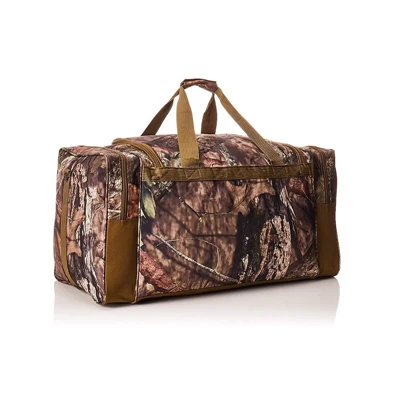

Cotton Cooler Bag - Max Profit.co
Natural, Eco-Friendly Cotton Canvas Cooler Bags for Picnics, Retail, Resorts, and Promotional Campaigns.
Low MOQ from 3,000pcs | Fast Global Shipping | Sustainable & Biodegradable
- BSCI
- GOTS
- OEKO-TEX
- FDA-Safe
Quick Specs - Cotton Cooler Bag
Key parameters for wholesale cotton cooler bag orders at a glance
MOQ
3,000 pcs
(Cotton Canvas)
Lead Time
25-40 days
Sample: 7-10 days
Common Sizes
25×30×18 cm
35×25×25 cm
Print Methods
Screen Print
Heat Transfer
Embroidery
Shipping
Worldwide
Sea / Air / Express
-
![Silk Screen Cotton Cooler Bag]() Silk Screen Cotton Cooler Bag
Silk Screen Cotton Cooler BagCustom Silk Screen Cotton Cooler Bag Wholesale
PEVA Insulated Wine Tote – Direct from Manufacturer
2-3 Hours Temperature Retention
Holds 4 Wine Bottles or 12 Cans
Premium... -
![PEVA Insulated Potluck Lunch Bag]() PEVA Insulated Potluck Lunch Bag
PEVA Insulated Potluck Lunch BagCustom Cotton Cooler Bag Wholesale
PEVA Insulated Potluck Lunch Box – Direct from Manufacturer
Eco-Friendly Cotton Fabric – Sustainable Choice
PEVA Lining for Effective... -
![Heritage Insulated Cooler Bag]() Heritage Insulated Cooler Bag
Heritage Insulated Cooler BagHeritage Insulated Cotton Cooler Bag
5L Eco-Friendly Cooler Bag – Direct from Manufacturer
100% Cotton Canvas Exterior – Sustainable & Biodegradable
Food-Safe Waterproof...


Find Your Perfect Cotton Cooler Bag
Whether you're in outdoor recreation, retail, hospitality, or eco-conscious marketing-we've got the right natural cooler solution for your brand.
🧺Picnic & Outdoor
Parks, wineries, tour operators
🍷Wine & Specialty
Wine shops, gourmet retailers
🌿Eco Retail
Health stores, organic markets
🎁Premium Promotions
Corporate gifts, high-end giveaways
Not sure? Get Free Consultation
Our Quality vs. Typical Imports
See what makes our cotton cooler bags stand out
| Quality Point |
Max Profit
|
Typical Import
|
| Canvas Weight | True 10-16oz | Often 6-8oz labeled higher |
| Insulation Retention | 4-6 hours cold | 2-3 hours |
| Liner Quality | FDA-safe PEVA | Thin aluminum foil |
| Stitching | 12 stitches/inch | 6-8 stitches/inch |
| Eco Certification | GOTS available | Uncertified |
Your Custom Cotton Cooler Journey
INQUIRY
Within 24h
Share your needs
01
DESIGN
Free mockup
We create visuals
02
SAMPLE
7-10 days
Approve the sample
03
PRODUCTION
25-40 days
Bulk manufacturing
04
QC & SHIP
100% inspect
AQL 2.5 standard
05

Frequently Asked Questions
Q: Is cotton a good insulator for cooler bags?
A: Here's the honest truth from someone who's made millions of cooler bags: cotton itself is a mediocre insulator. Its R-value is around 0.5-0.8 per inch-decent, but nothing compared to foam.
But that's not why people buy cotton cooler bags.
The insulation in a cotton cooler bag comes from the foam liner (EPE, XPE, or similar) and the reflective PEVA inner layer-same as any cooler bag. The cotton canvas shell is really about aesthetics, durability, and sustainability. Cotton breathes, feels premium, takes print beautifully, and tells an eco-friendly story that polyester can't match.
We made a batch of cotton canvas picnic coolers for a vineyard in Napa. They tested them side-by-side against polyester coolers with identical foam thickness. Temperature retention? Nearly identical-the foam does the heavy lifting. But the cotton bags sold out at their gift shop while polyester ones sat on shelves. Sometimes the story matters as much as the specs.
So is cotton good for cooler bags? For insulation alone, no. For a complete premium cooler product that customers actually want? Absolutely.
Q: What insulates better-cotton or polyester?
A: In raw insulation terms, they're surprisingly close. Cotton's thermal conductivity is about 0.04 W/m·K, polyester is around 0.05 W/m·K. Cotton wins slightly, but we're talking marginal differences.
Here's where it gets interesting: cotton absorbs moisture, polyester doesn't. A wet cotton bag loses most of its insulating ability-water conducts heat about 25 times better than air. So if there's condensation, spills, or humid conditions, polyester maintains its performance while cotton drops off.
For cooler bags specifically, this matters. We always line cotton cooler bags with waterproof PEVA for exactly this reason-you need that moisture barrier between the contents and the cotton shell.
A resort chain in the Caribbean learned this the hard way. They ordered unlined cotton cooler totes, guests got condensation on the outside, the cotton got damp, coolers stopped keeping things cold. We redesigned with PEVA lining plus 6mm EPE foam. Problem solved, guests happy, same beautiful cotton exterior.
Bottom line: for cooler bags, the liner and foam matter more than whether the shell is cotton or polyester. Choose based on aesthetics and brand positioning, not insulation properties.
Q: Is 60% cotton 40% polyester OK for cooler bags?
A: This blend actually makes a lot of sense for cooler bags, and I'll tell you why.
Pure cotton wrinkles, absorbs moisture, and can develop mildew if stored damp. Pure polyester looks synthetic and doesn't have that natural premium feel. The 60/40 blend gives you the best of both worlds: natural cotton appearance and hand-feel, but with polyester's wrinkle resistance and faster drying.
We use this blend frequently for clients who want the "natural look" without the maintenance headaches of pure cotton. The fabric holds its shape better after use, prints cleanly, and survives spills without absorbing as much moisture into the fiber itself.
A hotel group in Portugal ordered 60/40 blend cooler bags for their pool bar service. Pure cotton would get wet from condensation, stay wet, and start smelling musty. The blend fabric dries faster between uses and has lasted two full seasons with daily rotation.
For wholesale cooler bag orders, I recommend 60/40 unless the client specifically needs pure cotton for certification purposes (GOTS organic, for example) or marketing reasons. The practical advantages outweigh the slight bump in synthetic content.
Q: Is a cotton cooler bag eco-friendly?
A: This is where I have to be careful, because "eco-friendly" gets thrown around loosely in our industry.
What makes cotton cooler bags genuinely greener:
- The cotton shell is biodegradable and renewable
- It's reusable for years, replacing hundreds of single-use options
- Cotton can be organically grown with GOTS certification
- At end of life, the cotton portions decompose naturally
What's less green about them:
- Cotton farming uses significant water (though organic cotton less so)
- The PEVA liner is plastic-based and doesn't biodegrade
- EPE foam insulation is petroleum-derived
- Shipping from factories (including ours) has a carbon footprint
Here's how I frame it for eco-conscious clients: a cotton cooler bag is greener than a polyester one if it's used regularly over years. The reuse is what delivers the environmental benefit. If someone buys a beautiful cotton cooler and it sits in their closet, they would have been better off with a simple reusable shopping bag.
We're working on fully compostable liners using PLA-based materials for clients who need the complete sustainability story. They cost about 40% more, but for some brands, that's worth it. An organic grocery chain in Germany just ordered 5,000 units with this spec-their customers will pay the premium for genuine end-to-end sustainability.
Q: How do you clean and maintain a cotton cooler bag?
A: Most people overthink this, so here's the simple version from years of customer feedback.
Regular cleaning (after each use):
Wipe the PEVA liner with a damp cloth. That's it. The liner is waterproof and doesn't absorb odors if you clean it while it's fresh. Leave the bag open to air dry before storing.
Deeper cleaning (monthly or when needed):
Turn the bag inside out and hand wash the liner with mild dish soap. Rinse thoroughly-soap residue can cause food contact issues. For the cotton exterior, spot clean with a damp cloth and mild detergent. Don't soak the cotton; it takes forever to dry and can develop mildew.
What NOT to do:
Don't machine wash-the foam insulation compresses and loses its insulating ability. Don't use bleach on the cotton-it weakens fibers and can affect color. Don't store while damp-mildew is the enemy.
A wine club in Sonoma shared their maintenance protocol: they wipe liners after each event, hang bags to dry on a rack, and spot-treat stains with diluted vinegar. Their bags have survived 3+ years of weekly use with this routine.
The most important maintenance tip? Air it out. Trapped moisture causes 90% of cooler bag problems. We add ventilation grommets to our premium cotton coolers for exactly this reason.
We're well-known as one of the leading cotton cooler bags manufacturers and suppliers in China. Please rest assured to wholesale custom made cotton cooler bags from our factory. If you have any enquiry about OEM service, please feel free to email us.