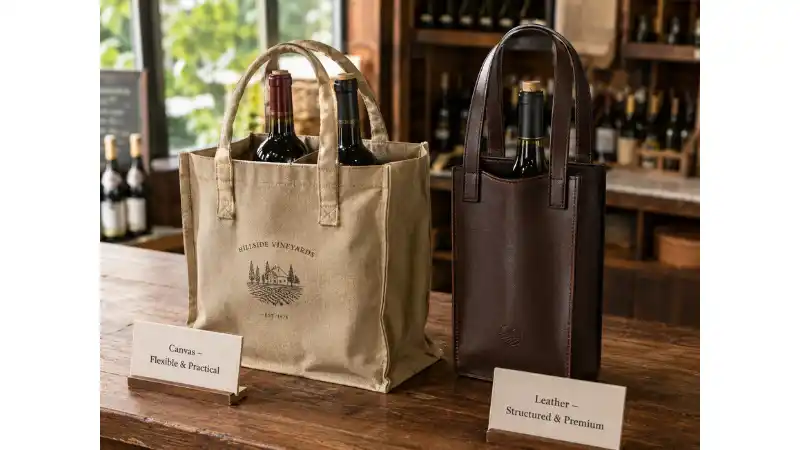
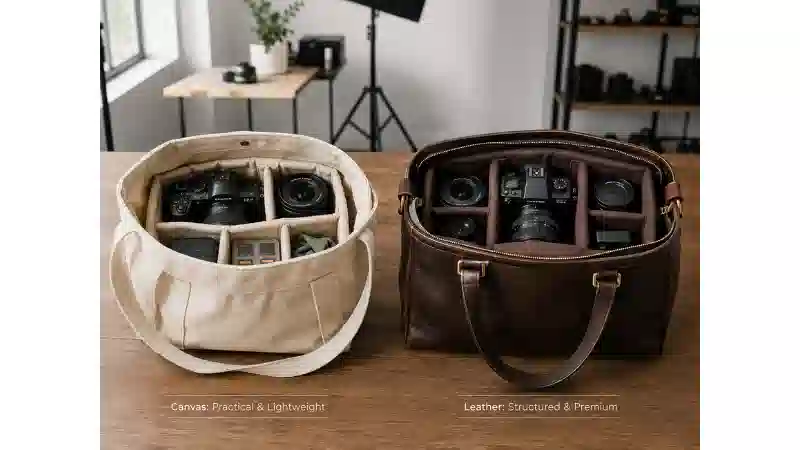
The material is what actually matters. It determines how long the bag lasts, whether it can be properly cleaned, how well it takes a printed logo, and whether its environmental story is honest or just a label. This guide covers seven common reusable bag materials, what each one is genuinely good at, where it falls short, and how to choose based on your actual situation - whether you're shopping for yourself or sourcing for a brand.
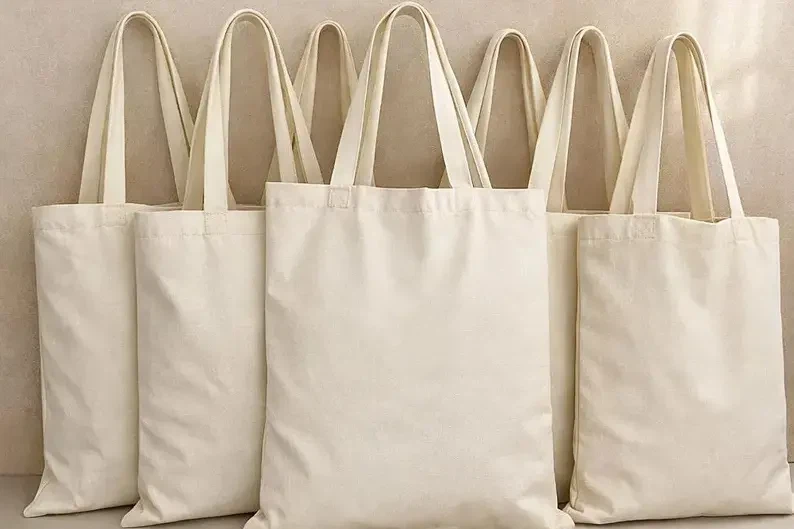
Why Material Is the Starting Point
A reusable bag only becomes more sustainable than a single-use plastic bag when it's used enough times to offset what went into making it. That break-even point varies significantly depending on the material - which is why the question of which bag material is most sustainable doesn't have a single universal answer.
Beyond sustainability, material drives durability (how many uses you realistically get), washability (whether you can actually keep it clean), printability (how well it holds logos and colors), and cost-per-use over time. A bag that costs three times more but lasts five times longer is usually the better value - and the more defensible environmental choice.
Cotton and Canvas
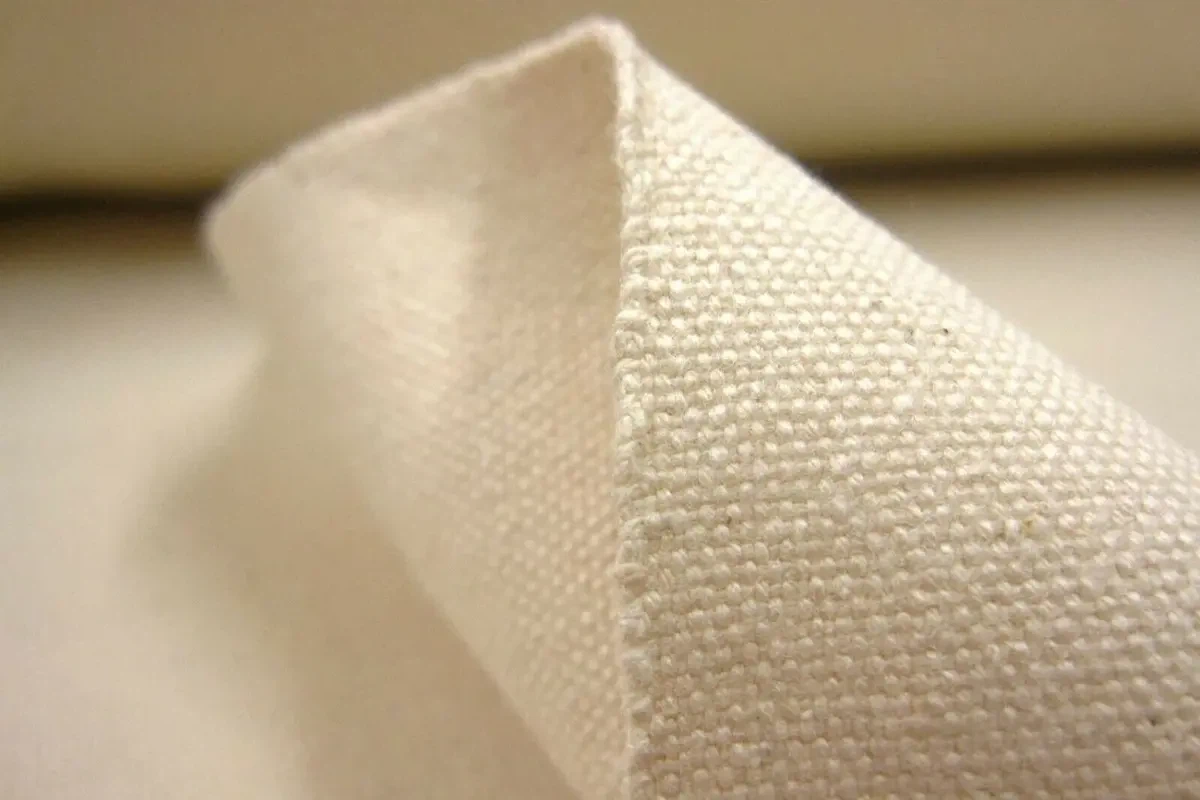
Cotton tote bags are probably the most familiar format. A standard cotton tote handles everyday errands well - soft, washable, and comfortable to carry. Canvas is the same fiber woven more tightly and at a heavier weight, giving it more structure and resistance to tearing. If you're carrying wine bottles or canned goods regularly, canvas is the more practical choice.
Both materials accept printed and embroidered designs well, which is why they're common in branded merchandise. Both are machine washable, which matters if the bag is regularly used for groceries. The honest tradeoff is production footprint: cotton farming uses significant water and land, and the environmental math on how many times a cotton bag needs to be reused to offset its production impact puts the number higher than most people expect. Use them consistently and they're a solid choice; treat them as occasional-use bags and the calculation shifts.
Cold machine wash, air dry. Avoid the dryer - heat shrinks cotton and weakens handle seams over time. You can browse cotton shopping bags for weight, size, and print options if you're comparing specs. For a detailed look at how cotton compares to canvas as a distinct fabric, cotton tote bags vs. canvas tote bags breaks down the differences in practical terms.
Best for: Daily grocery shopping, branded merchandise, premium retail gifts, any use case where machine washability is a requirement.
Non-Woven Polypropylene (PP)
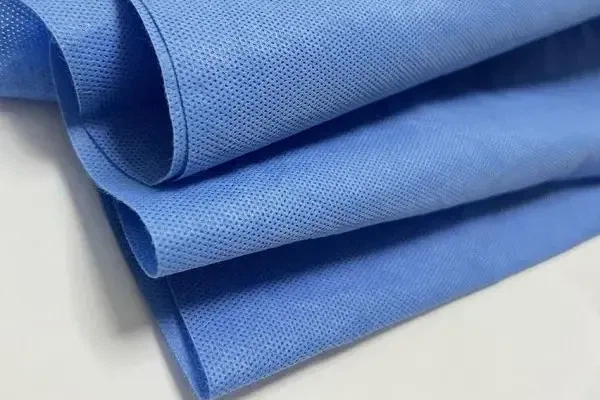
Non-woven PP bags are made by bonding polypropylene fibers with heat rather than weaving them - a process that's fast and inexpensive, which is why these bags dominate trade show giveaways, pharmacy checkouts, and supermarket promotions. They're lightweight, water-resistant, and take screen-printed logos cleanly.
The environmental picture is more complicated than the "eco-friendly" label that often appears on them suggests. Non-woven PP is a petroleum-based synthetic material, not a natural fiber, and it isn't widely accepted in residential recycling programs. Whether it's genuinely better than single-use plastic depends almost entirely on how many times it's reused - if it's treated like a disposable, the improvement is marginal. There's a more detailed look at whether non-woven bags are truly eco-friendly worth reading before making claims to customers.
Best for: High-volume promotional campaigns, trade events, and supermarket checkout bags where per-unit cost is the dominant factor. Non-woven shopping bags are among the most accessible options for bulk orders with low MOQ thresholds.
Woven Polypropylene (PP)
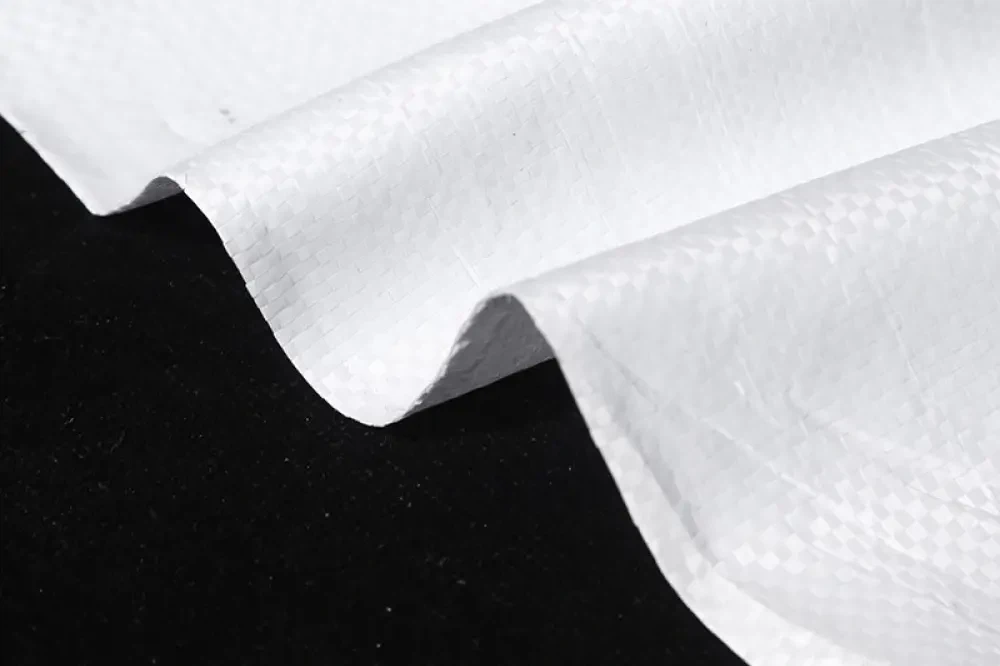
Woven PP uses interlaced strips of polypropylene rather than bonded fibers, and the structural difference is meaningful - significantly stronger, better suited to heavy loads, and more resistant to tearing than the non-woven version. These bags are often laminated to add water resistance and enable richer color printing.
The lamination that makes woven PP bags more printable also makes them harder to recycle - the composite structure of paper, film, or laminate can't be cleanly separated in most facilities. For anyone who wants a clear side-by-side explanation of how woven and non-woven PP differ in construction and performance, that resource covers the technical detail well.
Best for: Grocery retail, produce markets, bulk wholesale packaging, and any application where load capacity takes priority over premium feel.

RPET (Recycled Polyester)
RPET is made from recycled PET plastic - most commonly collected beverage bottles - cleaned, shredded, melted, and spun into fiber. The resulting fabric is durable, machine washable, and takes full-color printing cleanly. For businesses sourcing with a sustainability angle, understanding what RPET is and how it's made helps clarify what the material can and can't claim.
RPET bags genuinely divert plastic waste from the waste stream, and that's a defensible environmental story. The honest limitations: recycled or not, polyester is still a synthetic fiber that doesn't biodegrade and releases microplastic particles when machine washed. For businesses making public sustainability claims, Global Recycled Standard (GRS) certification from Textile Exchange is the most credible independent verification that recycled content percentages are accurate and traceable through the supply chain.
Best for: Corporate gifting, CSR-focused brand campaigns, and branded promotions where environmental credibility needs to be documentable. 100% RPET shopping bags are a practical starting point for comparing specs and pricing.
Jute
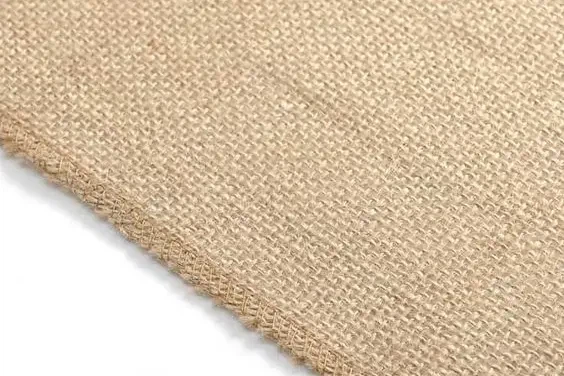
Jute is a plant fiber - fast-growing, needing minimal synthetic inputs, and fully biodegradable when it reaches end of life. No petroleum, no synthetic processing at the base material level. That profile gives it the strongest environmental credentials among commonly available bag materials, which is why it's prevalent in European organic retail and farmers market contexts.
The practical limitations are real though. Jute isn't water-resistant - repeated soaking weakens the fiber and shortens the bag's lifespan noticeably. The texture also limits certain printing techniques; screen printing works, but fine-detail reproduction is harder than on smoother surfaces. For a direct comparison of how jute performs against cotton and canvas on durability, washability, and eco impact, cotton, jute, and canvas compared covers the tradeoffs clearly.
Best for: Organic and natural product brands, farmers markets, wine and specialty food packaging, eco-focused gift bags in EU and North American markets.
Nylon (Packable and Ripstop)
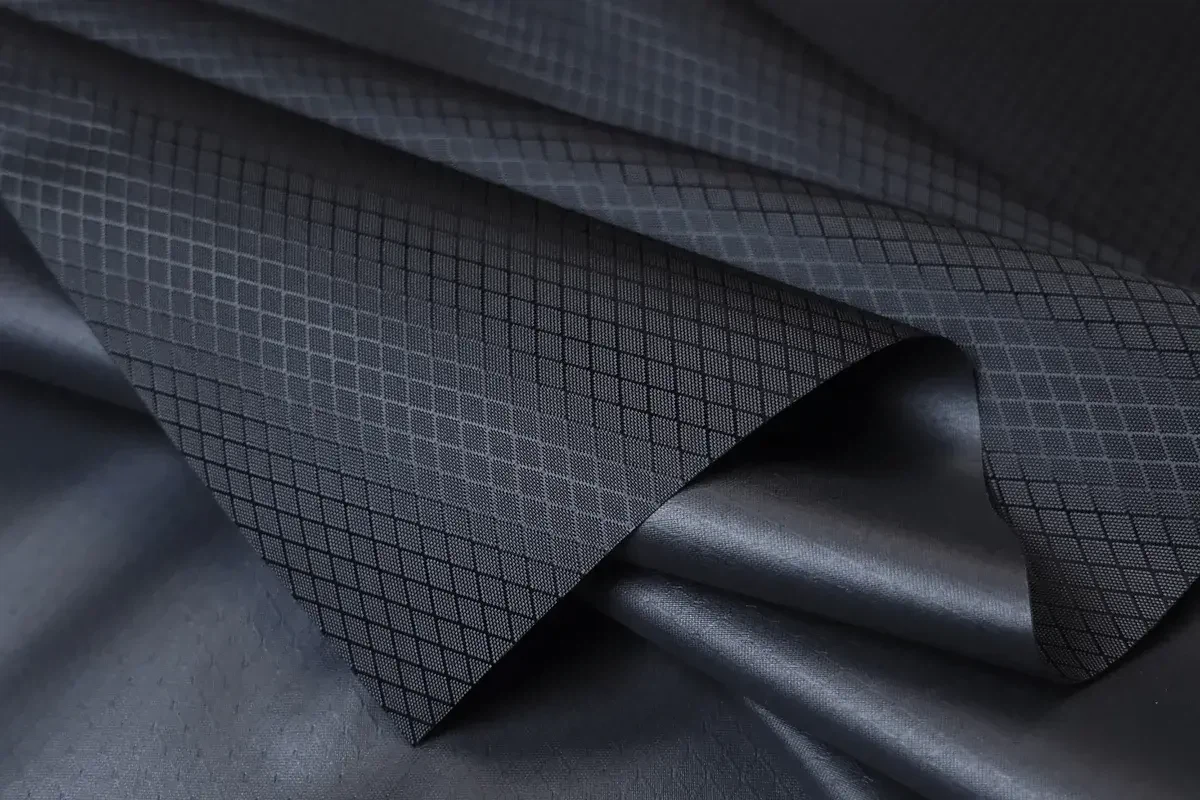
Nylon's main advantage over every other material on this list is that it folds into nothing. A quality packable nylon bag compresses to jacket-pocket size and handles grocery runs, day trips, and market visits without adding meaningful weight or bulk to whatever you're already carrying. Ripstop nylon reinforces this with a grid structure that prevents tears from spreading even under load - the same technology used in outdoor gear.
Nylon is synthetic and not biodegradable. But the environmental argument for keeping one available is practical rather than ideological: the reason most people end up using single-use bags isn't that they don't own a reusable one, it's that the reusable bag was at home when they needed it. A nylon bag in your pocket removes that excuse. Availability matters as much as material when it comes to actual behavior change.
Best for: Travel, daily commuting, outdoor activities, and anyone who needs a reliable backup bag that's consistently available rather than consistently forgotten.
Recycled Plastic (HDPE and LDPE)
These bags are made from recycled high- or low-density polyethylene and built for repeated use - the practical difference from single-use plastic carrier bags is gauge. They're manufactured at significantly greater thickness, designed to last through dozens of uses rather than one trip from the checkout to the car.
They're the lowest-cost option on this list, fully waterproof, and familiar to consumers in format. The limitation is perception: they still look and feel like plastic, making them difficult to position as a sustainability statement even when they're genuinely extending the life of recycled material. For retailers evaluating the trade-off, single-use plastic bags compared to reusable alternatives covers the comparison in more detail.
Best for: Supermarket checkout, convenience retail, and high-volume environments where cost per unit is the primary constraint and brand perception is secondary.
Comparison at a Glance
For a deeper side-by-side comparison of RPET, non-woven, and cotton shopping bags across price, durability, and sustainability criteria, that resource goes further than this overview. The table below covers all seven materials at a summary level.
| Material | Environmental Profile | Durability | Cost Range | Washable | Best Application |
|---|---|---|---|---|---|
| Cotton / Canvas | Good when reused consistently | High | $$ | Machine wash | Daily use, brand merchandise |
| Non-Woven PP | Limited - synthetic, not recyclable | Medium | $ | Wipe only | Promotions, trade events |
| Woven PP | Limited - same as non-woven | High | $ | Limited | Bulk retail, produce markets |
| RPET | Moderate - diverts plastic waste, not biodegradable | High | $$ | Machine wash | CSR programs, corporate gifting |
| Jute | Best - natural, biodegradable | Medium | $$$ | Spot clean only | Organic brands, farmers markets |
| Nylon | Moderate - synthetic but highly reusable | Very high | $$ | Machine wash | Travel, everyday carry |
| Recycled HDPE/LDPE | Moderate - better than single-use, still plastic | Low to medium | $ | Wipe clean | Supermarket checkout |
How to Choose
For everyday personal use
A canvas or cotton tote covers most situations - grocery runs, markets, daily errands. Add a packable nylon bag as a backup you keep in your jacket or everyday bag. The single biggest barrier to actually using reusable bags consistently is not having one available at the moment you need it. A nylon bag in your pocket removes that problem without adding anything noticeable to carry.
For eco-conscious shoppers
Jute or certified organic cotton have the most defensible environmental profiles if end-of-life biodegradability matters to you. RPET is a reasonable second choice if you want something more water-resistant. One thing worth being honest about: the most environmentally responsible bag is the one you already own, used consistently. Buying a new "eco" option to replace a functional bag you already have rarely improves the environmental outcome.
For businesses and brand sourcing
The right material depends on budget, order volume, and what the bag needs to say about the brand.
- Budget-driven, high volume: Non-woven PP. Lowest per-unit cost, accessible minimum order quantities, clean print surface for logos.
- Sustainability positioning: RPET with GRS certification. Gives you a verifiable claim rather than a vague assertion - increasingly important for retail buyers and procurement teams.
- Premium brand image: Cotton or canvas. Higher unit cost, but bags get kept and reused significantly longer than cheaper alternatives, which extends brand visibility with each use.
If you're sourcing in volume, printing method affects both cost and quality across materials. An overview of printing methods for tote bags - covering screen printing, heat transfer, embroidery, and digital options - is useful context before finalizing material choice. For custom or OEM production requirements, custom branded bag sourcing covers the process from specification to delivery.
Certifications Worth Knowing
If a supplier claims their bags are eco-friendly, organic, or made from recycled content, these are the certifications that back up those claims with independent verification. A full guide to what certifications to look for when buying bags goes deeper - the short version is below.
- GOTS (Global Organic Textile Standard): The leading certification for organic cotton - covers the fiber from field to finished product, not just raw material. Verified through global-standard.org.
- GRS (Global Recycled Standard): Verifies that recycled content claims are accurate and traceable through the supply chain. The relevant standard for RPET bags.
- OEKO-TEX Standard 100: Tests finished textile products for harmful substances - dyes, heavy metals, formaldehyde. Relevant for any bag that regularly carries food or is handled frequently. Check oeko-tex.com for the certified product database.
Frequently Asked Questions
What is the most eco-friendly type of reusable bag?
Jute has the strongest environmental profile - natural fiber, fully biodegradable, grown without synthetic inputs. Certified organic cotton is a close second. In practice, though, the environmental impact depends more on how consistently a bag is used than on the material alone. A cotton bag used regularly for two years has a better real-world footprint than a "greener" material bag that gets used five times and sits in a drawer.
Are non-woven PP bags actually eco-friendly?
Better than single-use plastic when genuinely reused - but the "eco-friendly" label overstates it. Non-woven PP is a petroleum-based synthetic that isn't widely recyclable through curbside programs. It's a cost-effective, practical option for promotions and events, but being accurate about what it is matters if you're making sustainability claims to customers.
What's the difference between woven and non-woven polypropylene?
The structure. Woven PP is made from interlaced strips of polypropylene - similar to how fabric is woven - which produces a significantly stronger, more load-bearing result. Non-woven PP bonds loose fibers with heat, which is faster and cheaper to produce but less structurally robust. Woven handles heavier loads and lasts longer; non-woven is lighter and more common in promotional contexts.
Which reusable bag works best for grocery shopping?
Cotton or canvas for most people - strong enough for bottles and canned goods, washable after carrying raw meat or produce, and durable enough for years of regular use. If you're regularly carrying very heavy loads, woven PP offers more structural support at a lower cost per bag. Nylon is the right answer if the bag needs to live in your pocket and be available on short notice.
Final Thoughts
The right reusable bag is the one that fits your actual use case and gets used consistently - not the one with the best environmental marketing. For personal use, a canvas tote plus a packable nylon backup covers nearly every situation. For business sourcing, matching material to brand positioning and asking suppliers for certification documentation is the difference between a defensible claim and a marketing liability.
If you're still working out which material makes sense for your needs, the full range of bag options by material and use case is a practical place to start comparing.