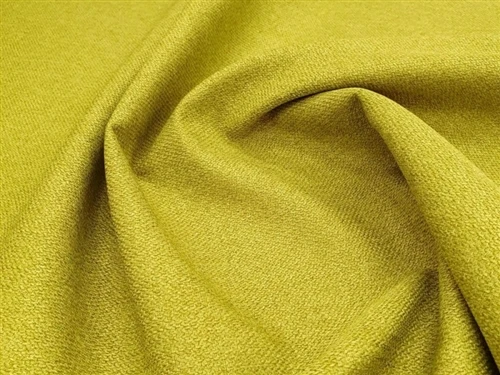
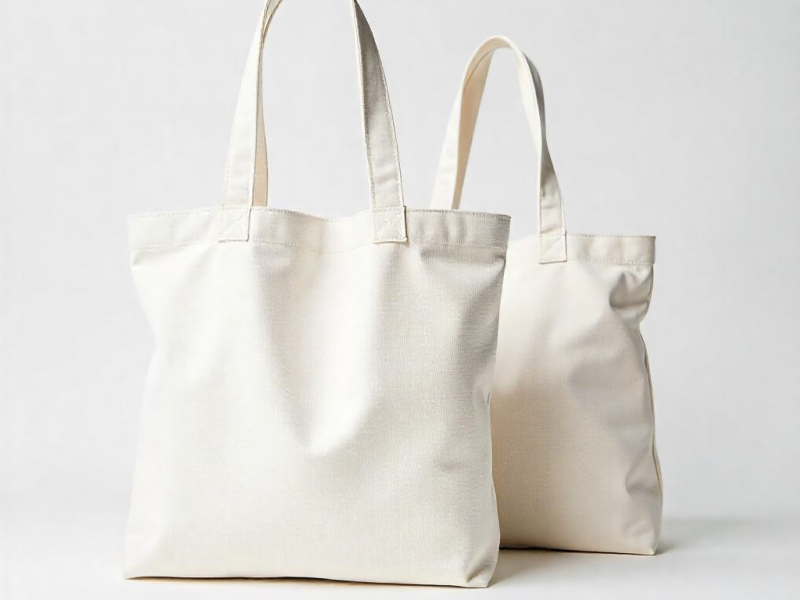
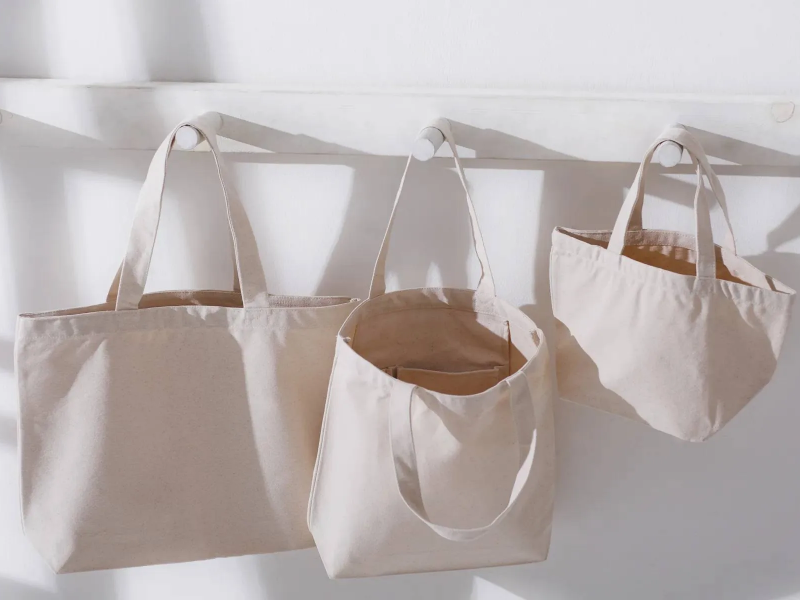
If you have ever held a piece of denim, a cotton canvas tote, or a crisp dress shirt, you have already experienced woven fabric. The term does not refer to a specific fiber - it describes a method of construction. Two sets of yarns are interlaced at right angles on a loom, and the resulting structure is what gives the material its strength, shape, and character.
That simple principle supports a remarkably wide range of products: from tailored suits and upholstery to cotton shopping bags, curtains, industrial reinforcements, and everything in between. Yet the questions we hear most from buyers are practical ones. Is this material breathable? Will it stretch out? Can it handle heavy loads in a tote bag? And how do you pick the right type when dozens of options exist?
This guide covers the fundamentals - how woven textiles are made, what fibers go into them, the main weave types, how they compare with knits and nonwovens, and what actually matters when you are selecting a material for a real product.
Table of Contents
- What Is Woven Fabric?
- How Is Woven Fabric Made?
- What Is Woven Fabric Made Of?
- Main Types of Woven Fabric
- Woven Fabric vs Knit Fabric
- Woven Fabric vs Nonwoven Fabric
- Key Characteristics of Woven Fabric
- Pros and Cons
- Common Uses
- Is Woven Fabric Good for Bags?
- How to Identify Woven Fabric
- How to Choose the Right Woven Fabric
- Woven Cotton vs Woven Polyester
- Bag Use Cases: Which Material Works Best?
- Common Buying Mistakes to Avoid
- FAQ

What Is Woven Fabric?
Woven fabric is a textile created by interlacing two sets of yarns - typically at right angles - to form a stable, flat surface. The lengthwise yarns are called the warp, and the crosswise yarns are called the weft (sometimes referred to as "filling"). During weaving, the weft passes over and under the warp in a controlled, repeating pattern. That interlocked structure is what gives the finished material its visible grain, dimensional stability, and mechanical strength. For a deeper look at how warp and weft interact, the Wikipedia entry on warp and weft offers a helpful overview.
Because the yarns are locked into position rather than looped or bonded, woven textiles tend to be more structured, less prone to stretching, and better at holding a defined shape than many other fabric constructions. That is why they are chosen wherever durability, clean lines, and consistent appearance matter - in tailored clothing, furniture coverings, and load-bearing bags alike.
The simplest way to distinguish the three major fabric categories is this: woven fabric is interlaced, knit fabric is looped, and nonwoven fabric is bonded or entangled without any traditional yarn system.
How Is Woven Fabric Made?

The process begins with raw fiber - cotton, polyester, linen, wool, nylon, or a blend - spun into yarn. Those yarns are then prepared for the loom. Warp yarns are wound onto a beam and arranged lengthwise under controlled tension, while weft yarns are loaded onto bobbins or cones.
Modern production typically uses shuttleless looms (air-jet, rapier, or projectile types), which are faster and quieter than the old shuttle looms. As the loom operates, it raises selected warp yarns to create an opening called a "shed," then inserts the weft through that gap. This motion repeats row by row, and the precise order in which warp and weft cross one another determines the weave pattern - plain, twill, satin, or something more complex.
After the fabric leaves the loom, it usually goes through finishing treatments. Finishing can alter hand feel, surface appearance, or functional performance: making a cotton canvas softer, adding wrinkle resistance to a polyester blend, applying a water-repellent coating, or preparing the surface for screen printing. This is why two textiles made from the same fiber can behave very differently in practice. The final product is always a combination of fiber content, yarn construction, weave structure, thread density, and finishing - not any one factor alone.
What Is Woven Fabric Made Of?
Woven textiles can be produced from a wide range of fibers. The fiber you choose has a direct impact on how the material feels, performs, ages, and costs.

Natural Fibers
Cotton is the most widely used natural fiber for woven goods. It is breathable, soft against the skin, and adaptable to a broad range of weights - from a sheer 80 GSM voile to a heavy 400+ GSM duck canvas. Cotton wovens are common in shirts, dresses, home textiles, and reusable cotton totes. If you are curious about the differences between canvas and twill constructions in cotton, we explain them in our cotton canvas vs. cotton twill comparison.
Linen, made from flax, is prized for breathability, a crisp hand, and a textured surface. It works well in warm-weather clothing, table linens, and interior textiles, though it wrinkles easily without treatment.
Wool delivers insulation, natural resilience, and structural body. It is a staple in suits, coats, and premium upholstery.
Silk offers a smooth surface, elegant drape, and natural luster. It appears primarily in luxury apparel, scarves, and decorative textiles.
Synthetic Fibers
Polyester is dimensionally stable, wrinkle-resistant, and easy to maintain. It is one of the most common fibers for bags, uniforms, and outdoor products because it resists moisture absorption and dries quickly. For a detailed look at how polyester weight affects bag durability, see our guide on polyester fabric weight and durability.
Nylon is valued for its tensile strength, excellent abrasion resistance, and light weight. It appears in backpacks, luggage, and technical applications. We compare these two synthetics in more depth in our nylon vs. polyester bag article.
Blends combine the advantages of multiple fibers. A cotton-polyester blend, for example, can balance comfort with easier care and improved crease resistance.
Why Fiber Choice Matters
The same weave can behave very differently depending on the fiber inside it. Fiber determines strength, hand feel, breathability, wrinkle tendency, moisture behavior, cost, printability, and care requirements. A woven cotton at 200 GSM will feel soft and breathable; a woven polyester at the same weight will feel smoother, resist wrinkles better, and dry faster. Matching fiber to intended use is one of the most important decisions in any sourcing project.
Main Types of Woven Fabric
The weave structure - the specific pattern of interlacing - changes everything about how a textile looks, feels, drapes, and performs. Below are the six most common types.
Plain Weave
In a plain weave, the weft passes over one warp yarn and under the next in a simple alternating pattern. This produces a balanced, even surface that is stable, easy to produce, and widely available. Plain-woven textiles range from lightweight muslin and broadcloth to heavier canvas. Common applications include shirts, linings, lightweight totes, quilting, and everyday home textiles.
From a production standpoint, plain weave is the most economical structure. It holds up well to repeated washing and general use, which is why it dominates basic apparel and promotional bag categories.
Twill Weave
Twill creates a diagonal rib on the fabric surface by staggering the interlacing points. The result is a material that is typically stronger, heavier, and more resistant to visible dirt than an equivalent plain weave. It also drapes more smoothly.
Denim is the best-known twill. Other common uses include chinos, workwear jackets, upholstery, and heavy-duty carry bags. In our experience working with bag buyers, twill is a good middle ground when you want something more refined than canvas but still rugged enough for daily use.
Satin Weave
Satin weave uses longer "floats" of yarn across the surface, creating a smooth, lustrous face with fewer visible interlacing points. The trade-off is that satin constructions tend to be less snag-resistant and more delicate than tighter structures.
Satin-woven textiles appear most often in eveningwear, linings, and decorative applications. They are rarely used for bags or heavy-duty products because the long floats are vulnerable to abrasion.
Basket Weave
Basket weave groups two or more yarns together and interlaces them as if they were a single strand. The effect is a more textured, slightly looser surface with a distinctive checkered look.
This structure works well for upholstery, casual jackets, and some bag applications where visual texture is desired. Depending on yarn size and density, basket-woven materials can feel surprisingly soft or quite substantial.
Jacquard Weave
Jacquard refers to complex patterns woven directly into the structure - not printed on top. The loom controls individual warp threads to create intricate motifs, tonal effects, or raised designs.
Jacquard textiles are most common in premium upholstery, drapery, and high-end fashion accessories. They command a higher price due to the complexity of set-up and slower production speeds.
Dobby Weave
Dobby weave produces small-scale geometric or textured patterns within the fabric. It sits between the simplicity of plain weave and the complexity of jacquard, offering subtle visual interest without much additional cost.
Dobby is often chosen for dress shirts, lightweight home textiles, and decorative accents where a flat plain surface feels too plain but a full jacquard is unnecessary.
Woven Fabric vs Knit Fabric

Woven and knit textiles serve different purposes, and confusing them is one of the most common mistakes in sourcing.
| Feature | Woven Fabric | Knit Fabric |
|---|---|---|
| Structure | Interlaced warp and weft | Interlooped yarns |
| Stretch | Low (unless elastane is added) | Naturally higher |
| Shape retention | Strong | Can stretch or distort over time |
| Surface feel | More structured and crisp | Softer and more flexible |
| Edge behavior | May fray when cut | Tends to curl rather than fray |
| Typical uses | Shirts, trousers, jackets, bags, upholstery | T-shirts, leggings, sweaters, activewear |
A practical rule: choose a woven construction when shape, structure, and durability drive the decision. Choose knit when stretch, comfort, and body movement are the priority. A tote bag, a dress shirt, or a curtain panel is almost always a woven application. A T-shirt, a pair of leggings, or a performance base layer is almost always knit.
Woven Fabric vs Nonwoven Fabric

This comparison matters most for bag buyers, where the choice between woven and nonwoven materials comes up constantly. For a deeper technical comparison - including PP woven options - see our article on PP woven vs. non-woven bags.
Woven materials are made by interlacing yarns on a loom. Nonwoven materials are made by bonding, pressing, or mechanically entangling fibers without any weaving or knitting. The difference in construction leads to very different performance profiles.
| Feature | Woven Fabric | Nonwoven Fabric |
|---|---|---|
| Construction | Interlaced yarns | Bonded or entangled fibers |
| Durability | Generally higher | Varies; often lower |
| Shape stability | Structured and consistent | Can vary; less stable under load |
| Reusability | Designed for repeated use | Often suited to limited or single use |
| Cost | Higher per unit | Typically lower |
| Common bag uses | Reusable totes, grocery bags, fashion bags | Promotional giveaways, dust covers, light-use bags |
For reusable shopping bags, the practical difference is significant. A woven cotton or polyester tote at 200–300 GSM can carry 8–15 kg repeatedly without deforming. A standard 80 GSM nonwoven bag handles lighter loads and fewer reuse cycles. That does not make nonwoven materials bad - they have clear advantages for budget promotions or lightweight, short-term applications. But when product lifespan and load-bearing performance matter, woven construction is the stronger choice. We discuss this trade-off further in our comparison of rPET vs. non-woven vs. cotton shopping bags.
Key Characteristics of Woven Fabric
Durability
The interlaced structure locks warp and weft yarns together, distributing stress across the fabric rather than concentrating it in a single loop or bond point. This is why woven constructions are preferred for applications that undergo repeated abrasion, tension, or load - from furniture coverings to reusable bags. Industry-standard testing for textile strength follows methods like ASTM D5034 (breaking strength) and ASTM D4966 (abrasion resistance via the Martindale tester), which are widely used to evaluate woven materials.
Shape Retention
Woven textiles hold their form better than knits in most conditions. This makes them ideal for products that need a clean silhouette - a tailored jacket, a structured tote bag, or a Roman blind that must hang evenly.
Low Stretch
Most woven constructions have limited stretch in the warp and weft directions (typically under 5% unless elastane is blended in). The slight give usually comes on the bias - the 45-degree diagonal. For bags and structured garments, this low stretch is a practical advantage.
Structured Hand Feel
Compared with knit textiles, wovens tend to feel firmer and more controlled. That said, hand feel varies enormously - from a stiff 18 oz duck canvas to a fluid silk charmeuse. Weave tightness, yarn thickness, and finishing all play a role.
Fraying Edges
Cut edges on woven materials will fray because the yarn ends are no longer locked in by interlacing. This is a normal production consideration - not a defect - and it is managed through serging, hemming, heat-sealing (for synthetics), or binding.
Printability
Woven surfaces generally accept printing, embroidery, and coating well, though results depend on the fiber and surface texture. A smooth, tight cotton canvas prints cleanly via screen printing; a textured basket weave will produce a more muted, organic print effect. Sublimation printing requires polyester or a high-polyester blend because the dye bonds only to synthetic polymers. For more on this topic, see our guide to printing methods for tote bags.
Wrinkle Behavior
Wrinkling depends mainly on fiber content. Cotton and linen wrinkle more easily; polyester and polyester-blend wovens resist creasing well. Anti-wrinkle finishes can reduce this issue in natural fibers, though they may slightly alter hand feel.
Pros and Cons of Woven Fabric
Pros
- Durable under repeated use. The interlocked yarn structure withstands abrasion, tension, and daily wear better than most nonwoven alternatives.
- Excellent shape retention. Ideal for tailored garments, curtains, upholstery, and bags that need to hold a consistent form.
- Enormous variety. From crisp cotton poplin to heavy canvas, glossy satin, textured jacquard, and rugged twill - the range of textures, weights, and finishes is very broad.
- Versatile end uses. Performs well across apparel, home furnishings, accessories, bags, and industrial applications.
- Good printing and finishing compatibility. Most woven surfaces take screen printing, heat transfer, embroidery, and coatings reliably.
Cons
- Limited stretch. Can feel restrictive in body-hugging garments unless stretch fibers are added.
- Frays when cut. Edge finishing is necessary, which adds a production step.
- Some types wrinkle easily. Particularly cotton and linen without anti-wrinkle treatment.
- Can feel stiff. Heavier or tighter constructions may lack the soft drape that some products require.
- Often costs more than nonwoven alternatives. For extremely price-sensitive projects, nonwoven may be more economical per unit.
Common Uses of Woven Fabric
Clothing: Shirts, blouses, trousers, skirts, dresses, jackets, suits, uniforms, and outerwear rely heavily on woven constructions.
Upholstery: Furniture coverings demand abrasion resistance, shape retention, and consistent appearance - strengths that woven textiles deliver.
Curtains and drapes: The ability to hold form, filter light, and maintain a polished appearance makes woven materials a standard choice for window treatments.
Home textiles: Tablecloths, bedding, cushion covers, napkins, and decorative textiles frequently use woven constructions.
Bags and totes: Reusable shopping bags, promotional totes, canvas beach bags, and utility carry bags rely on woven materials for their strength and appearance. Browse our full range of bag products to see the variety available.
Industrial applications: Technical textiles, protective gear, reinforcement layers, and specialty utility materials also use woven construction where mechanical performance is critical.
Is Woven Fabric Good for Bags?
In most cases, yes - and it is the construction type we recommend for any bag that needs to be reused more than a handful of times.
The main reason is structural. A woven textile distributes load across the interlaced yarn network, which gives it better load-bearing capacity and better resistance to the stretching and deformation that bags undergo in daily use. A 10 oz (approximately 340 GSM) cotton duck canvas, for example, can comfortably support a grocery load of 8–10 kg. A 12 oz (approximately 407 GSM) canvas stands upright on its own and delivers the kind of premium structure that retail and fashion brands want.
Woven bags also tend to resist abrasion better than lightweight nonwoven alternatives - an important factor for products that are carried frequently, set on rough surfaces, and tossed into car trunks.
Woven Materials That Work Well for Bags
Canvas and heavy cotton wovens (8–16 oz / 270–540 GSM): The standard for reusable grocery totes, fashion bags, and everyday carryalls. They print well, feel substantial, and age attractively.
Twill wovens: Offer strength with a slightly more refined, diagonal-textured surface. Useful for bags that need to look a step above basic canvas.
Polyester wovens: Chosen for easier care, lighter weight, moisture resistance, and consistent color performance. Common in promotional, utility, and outdoor applications. To learn more, see our article on whether polyester is a good bag material.
Blended wovens: Balance comfort, appearance, and practical performance - often combining cotton's feel with polyester's durability.
When a Woven Material May Not Be the Best Fit
Not every bag project calls for woven construction. It may be less suitable when the top priority is ultra-low unit cost, the bag is designed for single or very limited use, water resistance is essential but no coating will be applied, or extreme compressibility and minimal weight are required.
The question should never be just "Is woven good?" The better question is: "Which specific woven material - at what weight, in what fiber, with what finish - matches this bag's actual use?"
How to Identify Woven Fabric?

If you are unsure whether a material is woven, a few quick checks will usually tell you.
Look for visible yarn direction. Most woven textiles show a grid-like or directional pattern when examined closely. You may need a magnifying glass for tighter constructions, but the intersecting warp and weft system is typically visible.
Check a cut edge. When cut, woven materials fray - loose yarn ends pull away from the edge. This is one of the most reliable indicators.
Test the stretch. Pull the material in both the lengthwise and crosswise directions. Woven textiles have very limited give compared with knits. You may notice slightly more stretch on the bias (45-degree diagonal).
Observe the structure. Woven materials generally appear more flat, crisp, or controlled than knits, even in softer, lighter weights.
How to Choose the Right Woven Fabric?
This is where good decisions get made - or expensive mistakes happen. A quality woven material is not simply one that looks nice in a swatch. It is one that matches the product's actual end use, performance requirements, price target, and brand positioning.
Choose by End Use
For apparel, focus on comfort, drape, breathability, and appearance. For bags, prioritize strength, thickness (typically 200–400 GSM for reusable totes), abrasion resistance, printability, and shape retention. For home textiles, consider durability, texture, maintenance requirements, and decorative effect.
Choose by Hand Feel
A dress shirt fabric and a grocery tote fabric may both be woven, but they should feel entirely different. Think about whether the product needs to feel soft, crisp, structured, smooth, or textured - and select accordingly.
Choose by Performance Requirements
Identify the non-negotiable performance criteria: durability, breathability, wrinkle resistance, ease of care, print clarity, or weight capacity. A bag that must hold 10 kg of groceries needs at least a 10 oz canvas or equivalent; a decorative lightweight tote for trade shows may work fine at 5–6 oz.
Choose by Budget
More refined fibers, tighter weaves, heavier weights, and specialized finishes all increase cost. The key is matching cost to the product's intended price point - not simply choosing the cheapest option. A 5 oz cotton tote costs less per unit than a 12 oz canvas bag, but the heavier bag delivers longer brand exposure and better customer perception.
Choose by Sustainability Goals
Buyers increasingly ask about organic cotton, recycled polyester (rPET), and extended product life. A durable, reusable woven tote can displace hundreds of single-use plastic bags over its lifetime, making it a strong sustainability play - provided fiber sourcing and production practices align with those goals. For a comparison of sustainable material options, read our article on whether non-woven bags are truly eco-friendly.
Woven Cotton vs Woven Polyester

This is the comparison we discuss most often with bag buyers. Neither material is universally better - each has a clear profile.
| Feature | Woven Cotton | Woven Polyester |
|---|---|---|
| Hand feel | Softer, more natural | Smoother, sometimes more technical |
| Breathability | Generally better | Lower |
| Wrinkle resistance | Wrinkles more easily | Resists wrinkles well |
| Maintenance | May need more careful washing | Easier to clean and quick-drying |
| Appearance | Natural, classic, casual | Can range from matte to performance-oriented |
| Print compatibility | Screen, heat transfer, DTG | Screen, heat transfer, sublimation |
| Bag applications | Canvas totes, eco-style bags, retail/lifestyle | Utility bags, promotional bags, durable outdoor use |
In general, cotton wovens suit natural-looking retail or lifestyle products where hand feel and brand perception are important. Polyester wovens suit applications where moisture resistance, low-maintenance care, color vibrancy, or lower long-term cost per use is the priority.
Bag Use Cases: Which Woven Material Works Best?

To make material selection more concrete, here are four common scenarios and what we typically recommend.
Grocery Tote
A grocery tote needs to hold 8–12 kg, survive weekly washing, and maintain its shape after dozens of uses. Heavier cotton canvas (10–12 oz), cotton twill, or a durable polyester woven at 200+ GSM are all proven choices. Reinforced handles and a gusseted bottom extend the bag's working life significantly.
Promotional Tote
Promotional bags balance appearance and budget. For a short-run campaign where cost dominates, a lightweight nonwoven option may work. But if the goal is longer brand visibility and a product recipients actually reuse, a mid-weight woven cotton or polyester tote - even at 5–8 oz - delivers far more value per impression. Explore our OEM customization options for branded projects.
Heavy-Duty Shopping Bag
This application demands a stronger construction - typically 12 oz or heavier canvas - with reinforced seams, stress-point stitching, and handles rated to match the bag's carrying capacity. In our production experience, most handle failures on heavy bags are caused not by the fabric itself but by inadequate stitching at the attachment points.
Fashion Canvas Bag
Fashion bags prioritize both appearance and durability. Cotton canvas, textured wovens, or premium blends work well, with the final choice depending on the brand's aesthetic and price point. Polyester duffel bags are another option when the design calls for a sporty, lightweight profile.
Common Buying Mistakes to Avoid
We see these misconceptions regularly in sourcing conversations:
"Woven fabric" does not mean cotton. "Woven" describes the construction method, not the fiber. Cotton, polyester, nylon, linen, wool, silk, and blends can all be woven.
Canvas is not the opposite of woven. Canvas is itself a type of woven fabric - typically a heavy plain weave or a duck weave. It belongs within the woven category, not outside it.
Not all woven textiles are thick or heavy. Woven materials range from ultra-lightweight chiffon (under 50 GSM) to heavy industrial canvas (over 600 GSM). The weave structure alone does not determine weight.
Durable does not mean waterproof. Many woven textiles are mechanically strong but will absorb water unless they receive a DWR (durable water repellent) coating or are made from inherently hydrophobic fibers like polyester or nylon.
Specifying only "12 oz canvas" is not enough for production. A complete specification should also include fiber content, weave type, tolerance range (typically ±5%), color, and finishing requirements. Vague specs are one of the most common causes of sample disputes.
Frequently Asked Questions
Is woven fabric stretchy?
Generally, no. Most woven textiles have limited natural stretch - usually under 5% in the warp and weft directions - unless elastic fibers like spandex or elastane are blended in. There may be slight give on the bias.
Is woven fabric breathable?
It depends on the fiber and the weave density. Loosely woven cotton and linen are quite breathable. Tightly constructed synthetics are much less so. Breathability is measured under standards like ASTM D737 (air permeability), which quantifies how much air passes through a given area of textile.
Is woven fabric durable?
Yes, many woven constructions are among the most durable textile types available. Durability depends on fiber, weave structure, thread count, fabric weight, and finishing - but the interlaced structure itself is inherently strong.
Is woven fabric good for tote bags?
Yes. The structured, load-distributing construction of woven textiles makes them well suited to bags that need to carry weight repeatedly and maintain their shape. For bag-specific recommendations, visit our non-woven shopping bag page to compare options.
Is woven fabric better than nonwoven?
Not in every situation, but for reusable, longer-lasting, and more premium products, woven materials generally outperform nonwoven alternatives. Nonwoven construction has its own strengths - particularly in cost and lightness for limited-use applications.
What is the difference between woven cotton and woven polyester?
Cotton tends to feel more natural and breathable; polyester typically offers better wrinkle resistance, faster drying, and lower maintenance. The right choice depends on the product's intended use, care requirements, and buyer expectations.
Conclusion
Woven fabric is not a single material - it is a construction method that produces some of the most versatile and widely used textiles in the world. The interlaced warp-and-weft structure delivers the stability, durability, and shape retention that make woven textiles essential for apparel, home furnishings, industrial products, and bags of all kinds.
Choosing the right woven material means understanding that performance is never determined by one variable alone. Fiber content, weave structure, thread density, fabric weight, and finishing all interact. A good material for a dress shirt is not the same as a good material for a grocery tote - and making that distinction early in a project saves time, cost, and sample rounds.
If you are developing a bag line, comparing material options, or planning your next sourcing project, the next step is to get specific. Explore our resources on cotton bags, polyester bags, and non-woven bags, or contact us directly to discuss your project requirements.