This guide covers what blended fabric actually is, the ratios that change how it performs, how to judge fabric quality before you commit to an order, and how to choose the right blend specifically for custom tote bags.
What Is Blended Fabric, Exactly?
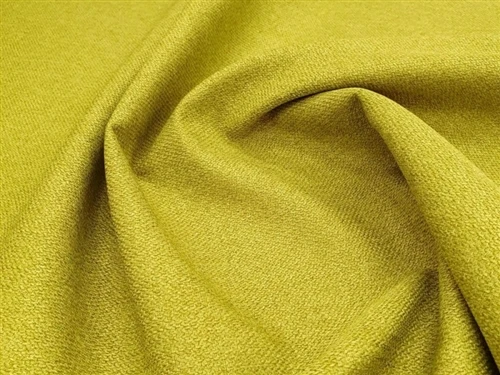
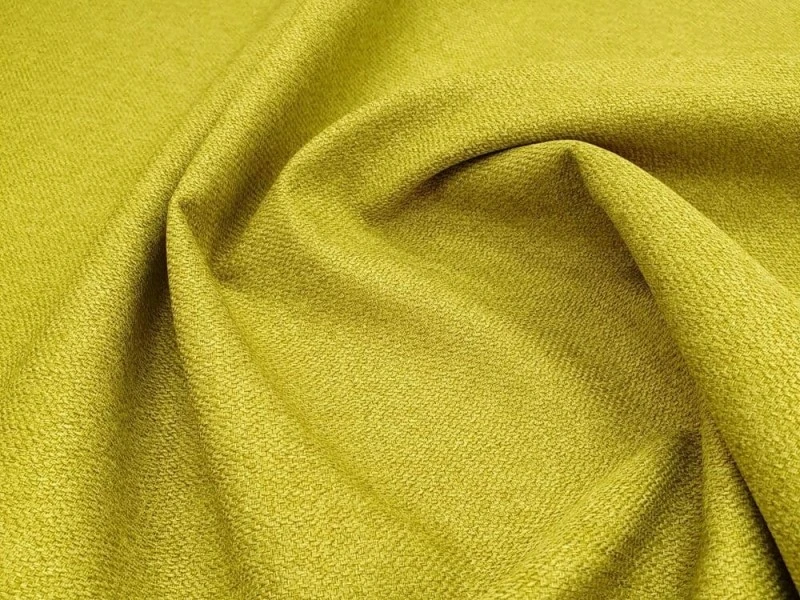
Blended fabric is a textile made by spinning two or more fibers together into a single yarn, rather than weaving separate pure-fiber yarns side by side. Cotton paired with polyester is the most common combination, but wool-nylon, cotton-spandex, and linen-cotton blends are just as common in their own categories.
The logic is straightforward. Cotton brings softness and breathability but wrinkles and shrinks. Polyester brings durability and shape retention but can feel synthetic on its own. Blend the two, and the fabric splits the difference - more durable than pure cotton, more breathable than pure polyester.
Most blends fall into two broad groups: natural-synthetic blends built mainly for durability and easy care, and natural-natural blends, like cotton-linen, built mainly to balance cost, texture, or seasonal comfort.
How Fibers Are Combined Into a Blend
Manufacturers start by choosing fibers for the properties they want, then proportion them to a target ratio and mechanically combine them - typically during carding, where loose fibers are aligned and mixed before spinning. This is what makes it a true blend: the fibers are combined before spinning, so each yarn already contains both fiber types, rather than two pure-fiber yarns simply woven together into a mixed fabric.
Once blended, the fibers are spun into yarn, then woven or knitted into fabric and finished with whatever dyeing or shrink-control treatment the end use calls for. Weave structure matters as much as fiber ratio for bag fabric - a tight plain weave holds up to repeated loading far better than a loose weave at the same fiber mix, which is part of why the difference between cotton canvas and cotton twill matters even within a single fiber type.
Common Blend Ratios and What They Actually Change
The ratio on a fabric label changes how it performs more than most people expect. A blend that's 65% polyester and 35% cotton behaves differently from one that's 80% cotton and 20% polyester, even though both get called a "cotton-poly blend."
Here's why: cotton absorbs moisture and lets air pass through it; polyester doesn't. As the polyester share rises, breathability and that natural hand-feel drop, while wrinkle resistance and tear strength increase. There's no single "better" ratio - only the right one for the job.
- Cotton-polyester (50/50 up to roughly 80/20, either fiber dominant): the most common blend; more polyester means more durability, more cotton means more breathability. Used in t-shirts, totes, and bedding.
- Cotton-spandex (90–95% cotton, 5–10% spandex): adds stretch without losing cotton's softness. Used in leggings and fitted apparel.
- Wool-nylon (roughly 80/20, wool-dominant): more durable and less itchy than pure wool while keeping most of its warmth. Used in sweaters and coats.
- Cotton-linen (often close to 50/50): breathable, textured, and cool - built for warm weather.
- Nylon-spandex (roughly 80–90% nylon): strong with significant stretch. Used in swimwear and activewear.
These are common starting points, not fixed rules - the next section gets more specific for bag fabric.
How to Tell a Well-Made Blend From a Poor One
Two fabrics can carry the same "60/40 cotton-poly" label and still perform very differently, because the ratio only tells part of the story. A few checks separate a well-made blend from a weak one:
- Feel for consistency. A properly blended yarn feels even throughout, without rough patches or fiber clumping from uneven mixing.
- Hold it up to light. A tightly woven blend lets very little light through. Loose weaves wear out fastest at stress points like handles and seams.
- Ask for the actual weight, not a description. "Heavy-duty" means nothing on a spec sheet. A weight in ounces per square yard, or GSM, gives you a number you can compare across suppliers.
- Check the finished seams, not just the raw fabric. Even a strong blend underperforms if it's cut with thin seam allowances or loose stitching at the handles - usually the first failure point on a bag.
Blended Fabric vs. 100% Pure Fabric: The Real Tradeoffs
Neither option wins outright - the right call depends on what you're prioritizing.
- Durability: generally higher in blended fabric; pure natural fiber can wear faster, especially delicate fibers like silk.
- Breathability: often slightly lower in blends; typically highest in 100% cotton or linen.
- Wrinkle resistance: usually better in blends; pure natural fiber wrinkles more easily.
- Cost: often lower for blends; pure fabric can cost more, especially silk or wool.
- End-of-life recycling: harder for blends, since mixed fibers are difficult to separate; easier for pure natural fiber.
- Hand-feel: slightly less natural in blends; pure fabric drapes and feels more authentic.
If breathability and a fully natural feel matter most, pure fabric usually wins. If durability, easier care, and lower cost matter more, blended fabric is typically the more practical choice for everyday products like totes, apparel, and bedding.
Where Blended Fabric Shows Up
Apparel is the largest category - everyday t-shirts, activewear, and outerwear lean on blends for the comfort-durability balance. In home textiles, cotton-polyester blends show up in curtains and bedding that need to survive frequent washing without losing shape.
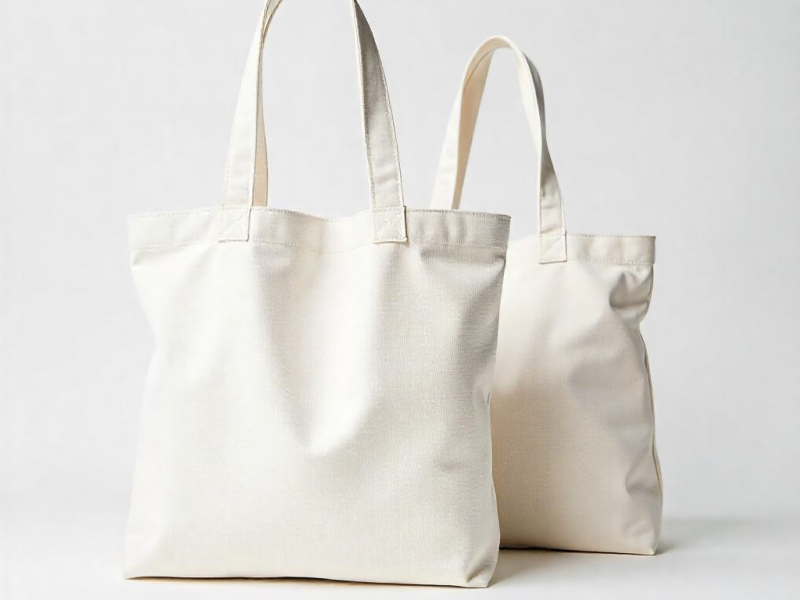
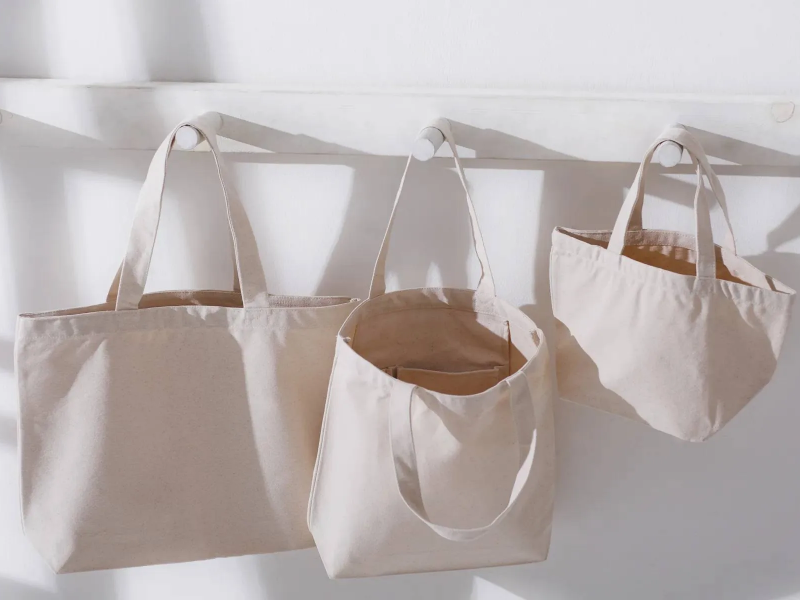
Bags are where blend choice has the most visible effect. A blended cotton tote holds its shape and resists tearing at the handles better than a lighter all-cotton equivalent, while a blended polyester tote sheds moisture and dries quickly after a rainy commute or a day at the beach. Even an insulated cooler bag often relies on a blended outer shell for structure alongside its insulating lining.
Sportswear leans on cotton-spandex or nylon-spandex blends for stretch; workwear favors heavier, synthetic-leaning blends that tolerate repeated washing and abrasion.
Choosing a Blend for Tote Bags and Custom Totes
Fabric for a custom tote bag has different priorities than fabric for clothing - you're optimizing for repeated heavy loads, how cleanly it takes a print, and cost at volume, not how it feels against skin. We work with buyers sourcing custom totes across these fabrics daily, and ratio and weight are the two specs that cause the most order regret when left vague.
Picking the Right Ratio
For everyday custom totes, a cotton-dominant blend in the 50/50 to 60/40 cotton-poly range is a practical starting point - close to standard cotton canvas, with enough synthetic content to resist tearing at handle attachments. Heavier-load bags, like book bags or grocery totes carrying cans and glass, can shift further toward polyester; bags marketed on a natural look usually stay cotton-dominant.
Picking the Right Weight
Fabric weight matters as much as ratio. Light blends, around 6–8 oz (roughly 200–270 GSM), suit foldable or giveaway totes. Medium weight, 10–12 oz (340–410 GSM), is the standard for everyday reusable totes. Heavy blends, 14 oz and up, handle daily heavy-duty use. One ounce per square yard works out to roughly 34 GSM - useful if a supplier quotes weight in GSM.
Matching the Blend to Your Printing Method
Cotton-dominant blends generally take screen printing, heat transfer, and embroidery more evenly than polyester-dominant ones, since natural fiber absorbs ink more consistently. For detailed, multi-color logos, lean cotton-dominant. For a heavy-duty bag where durability matters more than print detail, a higher polyester share with simpler branding tends to hold up better.
For most everyday custom tote bags, a cotton-dominant blend in the 50/50 to 60/40 range, at 10–12 oz, is a sound starting point. Shift toward more polyester for heavier loads.
If you're ordering in bulk, ratio and weight are only part of the picture - confirm minimum order quantity and lead time upfront, and request a physical sample before committing to production.
Is Blended Fabric Actually Sustainable?
It depends on the components, and it's worth being upfront about the tradeoffs rather than treating "blended" as automatically green. Blending stretches scarce natural fibers further, and swapping in recycled synthetic content - like recycled polyester made from PET bottles - cuts reliance on virgin petroleum-based fiber. Mixed-fiber fabric, though, is genuinely harder to recycle than single-fiber fabric, since most recycling processes are built around one fiber type; separating cotton from polyester after the fact is more complex and less economical.
If sustainability matters to your sourcing decision, look for blends built from recycled or organic components and check for recognized certifications, such as OEKO-TEX® Standard 100, which screens for harmful substances, or the Global Recycled Standard, administered by Textile Exchange, which verifies recycled content. For a broader comparison, see our breakdown of which bag material is genuinely the most sustainable.
Washing and Caring for Blended Fabric
Because a blend combines fibers with different properties, treat it a little differently than a single-fiber fabric. Check the care label first - blends with spandex or elastane need cooler water and lower heat to protect the stretch fibers. Wash in cold or warm water to limit shrinkage in the natural-fiber portion, skip fabric softener on technical blends since it coats the fibers and dulls performance, and air-dry when possible.
A common mistake is treating a cotton-heavy blend exactly like 100% cotton - the synthetic fibers mixed in are often more heat-sensitive than the cotton alone would be, so a gentler routine protects the whole fabric, not just half of it.
Frequently Asked Questions
Is cotton-polyester blend breathable?
To a degree, though less than 100% cotton. Cotton absorbs moisture and lets air through; polyester doesn't, so breathability drops as polyester content rises. A 50/50 or cotton-dominant blend breathes noticeably better than an 80/20 polyester-heavy one.
Is blended fabric good or bad?
Neither - it's a tradeoff. Blends favor durability, easier care, and lower cost over the breathability of pure fabric. Which fits better depends on what the fabric needs to do.
What ratio works best for tote bags specifically?
For most everyday custom totes, a 50/50 to 60/40 cotton-poly blend balances print quality, durability, and a natural look well. Heavier-use bags can shift toward more polyester.
Does blended fabric shrink?
Less than 100% cotton, but it isn't immune - the natural-fiber portion can still shrink in hot water, especially on cotton-heavy blends. Cold-water washing limits this.
Is blended fabric eco-friendly?
It depends on what's in it. Recycled or organic content can reduce impact, but mixed fibers are harder to recycle than single-fiber fabric - a real tradeoff worth weighing.
The Bottom Line
Blended fabric isn't one material - it's a set of tradeoffs you tune by adjusting the ratio: more cotton for breathability, more polyester for durability and easier care. For most everyday tote bags, a cotton-dominant blend in the 50/50 to 60/40 range is a sound starting point, with weight and printing method narrowing things further.
If you're sourcing custom tote bags and want a fabric recommendation suited to your volume and use case, our team can walk through ratio, weight, and printing options before you commit to production.