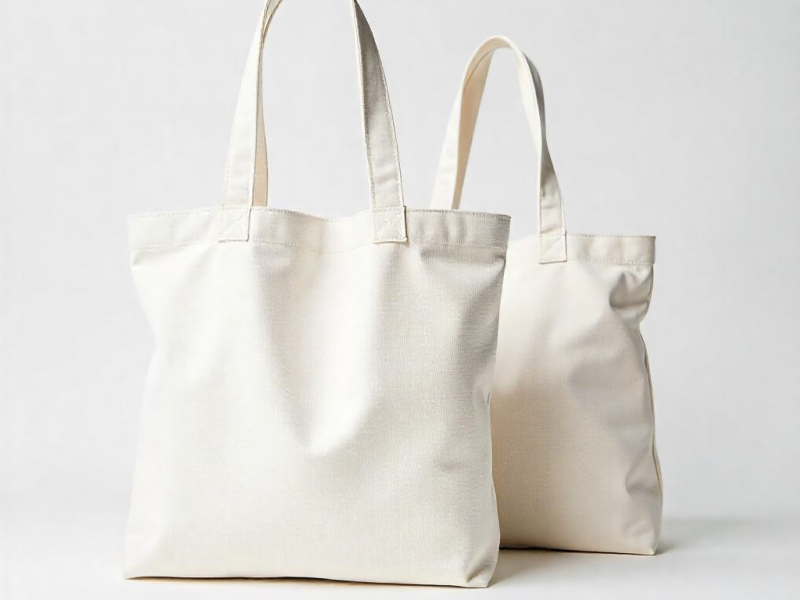
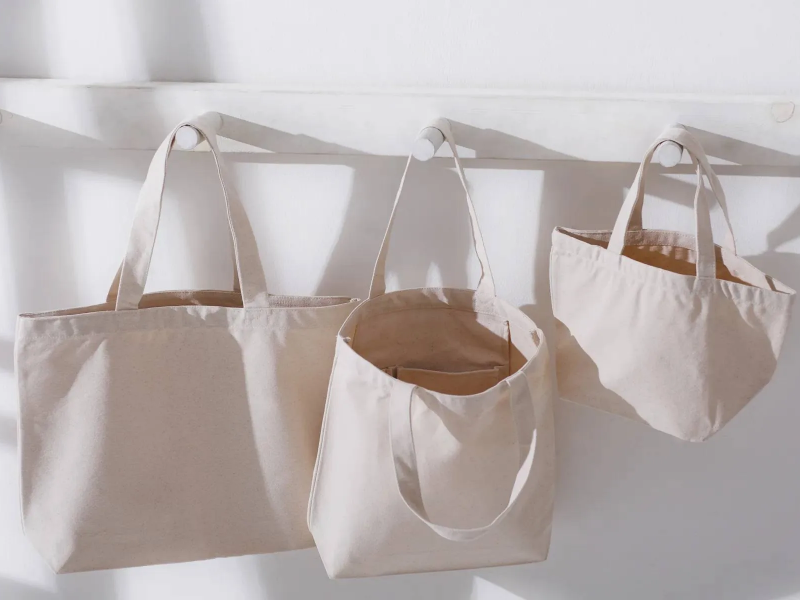
This guide walks through the practical side of buying canvas tote bags in bulk: how pricing actually scales, what fabric weight to choose for different uses, and where buyers most commonly end up paying more than they expected.
Where Buyers Actually Overpay
Bulk pricing works because production costs - setup, screens, labor - get spread across more units. That part is straightforward. The part buyers miss is what's not included in the quoted per-unit price.
Three situations account for most of the unexpected costs we see:
- A "bulk price" that only applies to blank bags, with printing quoted separately and added after the fact
- An order placed below the supplier's minimum order quantity, triggering a surcharge that wasn't mentioned upfront
- A fabric weight lower than what the use case actually requires, leading to a reorder months later
None of these are dishonest practices on their own - they're just details that need to be confirmed before you commit, not after. The hidden costs behind cheap bulk bags are usually structural, not sketchy.
Choosing the Right Canvas Weight for Your Order
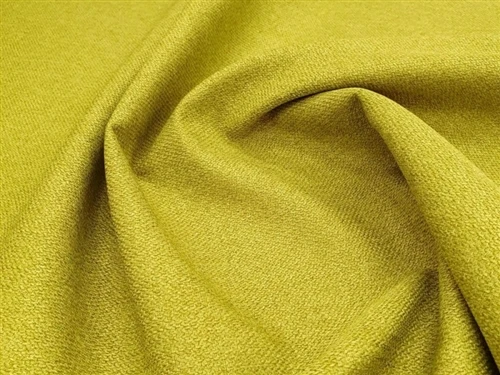
Canvas is measured in ounces per square yard, and the weight you pick should match how the bag will actually be used - not just the lowest available price point.
As a working guideline:
- 6–8 oz canvas suits short-term promotional giveaways. It's the most economical option, but it won't hold up to repeated heavy use.
- 10–12 oz canvas is the standard choice for retail resale and reusable shopping bags, balancing cost with everyday durability.
- 12 oz and above is appropriate for daily-carry totes, premium gifting, or bags expected to carry real weight, such as books or groceries.
If you're unsure how canvas weight relates to construction and longevity, the breakdown on canvas fabric types and weights covers this in more depth than most quoting conversations allow time for.
One detail worth flagging: heavier canvas isn't automatically "better." A 14 oz tote for a single-day trade show giveaway is usually wasted spend, not added value.

Matching Bag Type to Use Case
Fabric weight is half the decision. The other half is bag style, and this is where generic buying guides tend to stay vague.
| Use case | Recommended weight | Construction priority |
|---|---|---|
| Trade show / conference giveaways | 6–8 oz | Low cost, simple gusset |
| Retail resale or branded shopping bags | 10–12 oz | Reinforced handles, boxed bottom |
| Daily-use or premium corporate gifts | 12 oz+ | Double stitching, structured base |
If your order spans multiple use cases - say, a retail-facing tote alongside a lighter event giveaway - it's worth browsing the full range of cotton shopping bag styles rather than forcing one specification to cover both needs. For category-specific needs like beach bags or duffel-style cotton bags, construction requirements differ enough that it's worth checking those product lines directly.
Custom Printing: What Actually Changes the Cost
Blank bags are cheaper, but for most businesses the bag's entire value comes from the branding on it. The cost difference between printing methods is real, though, and it's tied to design complexity more than order size alone.
Screen printing is generally the most cost-efficient for simple, one- or two-color logos at volume. Full-color or photographic designs typically require a different transfer method, which carries a higher per-unit cost regardless of quantity. If you're deciding between approaches, the comparison of tote bag printing methods is more useful than asking a supplier to "just quote both," since it explains why the cost gap exists.
For buyers who need ongoing private-label production rather than a one-time order, it's also worth understanding what OEM manufacturing involves before locking into a single print run - the setup process and minimums differ from a standard custom order.
A Realistic Process Timeline
- Submit logo files and confirm placement on a digital proof
- Approve a physical sample before full production begins
- Production run starts once design and sample are signed off
- Quality check and packaging precede shipment
Build your event or launch date backward from this sequence. Custom orders rushed at the last minute are where quality complaints tend to originate - not from the fabric itself, but from skipped sample approval.
Minimum Order Quantities and Lead Time
MOQ is the single biggest factor buyers underestimate when budgeting. It's not a fixed number across the industry - it depends on bag style, fabric, and printing method, and ordering below it usually means losing access to bulk pricing entirely rather than just paying slightly more.
The relationship between order size, lead time, and final cost is detailed in this MOQ, lead time, and cost guide, and the practical effect of ordering near or below MOQ thresholds is covered separately in how MOQ affects bulk order production. Confirming this number before finalizing a budget - not after - avoids one of the most common sources of "surprise" pricing.
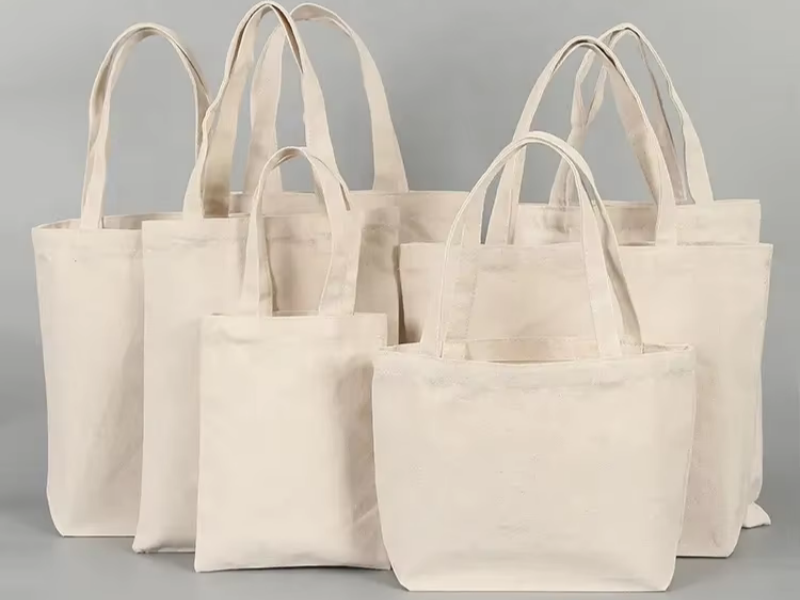
Wholesale vs. Retail: What's Actually Different
A common assumption is that wholesale totes are lower quality than retail ones. In most cases, that's not true - the materials can be identical. What changes is the purchasing structure, not necessarily the bag itself.
| Wholesale | Retail | |
|---|---|---|
| Price per unit | Lower at volume | Fixed, regardless of quantity |
| Minimum order | Usually required | None |
| Customization | Available | Limited or none |
| Best for | Recurring business needs, events, resale | One-off personal use |
If you genuinely need fewer than a dozen bags with no branding, retail purchasing avoids the MOQ constraint entirely. For anything beyond that, wholesale becomes the more cost-effective route fairly quickly - particularly for buyers comparing options across a full range of bag categories rather than a single style.
Care and Durability After the Order Ships
One factor rarely covered in buying guides: how the bags hold up after delivery. Canvas resists wear well, but it isn't stain-proof, and buyers ordering light-colored totes for retail or daily use sometimes find this out the hard way. The notes on how canvas bags handle dirt and staining are worth a look if your order is intended for long-term reuse rather than a single event.
This also connects back to the sustainability argument often made for canvas over single-use plastic: the environmental benefit only holds if the bag is actually reused multiple times. The U.S. Environmental Protection Agency's data on materials and waste reflects this same pattern - reusable packaging only reduces overall waste when it replaces multiple single-use items over time, not just one.
FAQ
Q: Is wholesale canvas tote quality lower than retail?
A: Not inherently. Quality is determined by the supplier's materials and construction standards, not by order volume.
Q: What canvas weight should I choose on a tight budget?
A: 6–8 oz canvas is the most economical option and works well for short-term promotional use, though it's not built for repeated heavy carrying.
Q: Is it cheaper to order blank or custom-printed bags?
A: Blank bags cost less upfront. Custom printing adds expense but is usually worth it when the bag's main purpose is brand visibility rather than internal use.
Q: What's the most common reason bulk orders end up costing more than expected?
A: Ordering below the supplier's MOQ, or assuming a quoted price already includes custom printing when it doesn't.
Q: How long does a custom bulk order typically take?
A: Timelines vary by supplier and printing method, but expect time for proof approval, a physical sample, and a full production run before shipping - rushing this sequence is where most quality issues originate.
Final Thoughts
Buying canvas tote bags in bulk is genuinely more cost-effective than retail purchasing in almost every case - but the savings depend on getting a few specifics right before you order: the correct fabric weight for your use case, a clear understanding of your MOQ, and a printing method that matches your design without inflating cost unnecessarily.
If you're ready to compare options for a specific order size, you can submit an inquiry with your bag style and quantity, or get in touch directly to confirm pricing tiers and lead time before finalizing your budget.