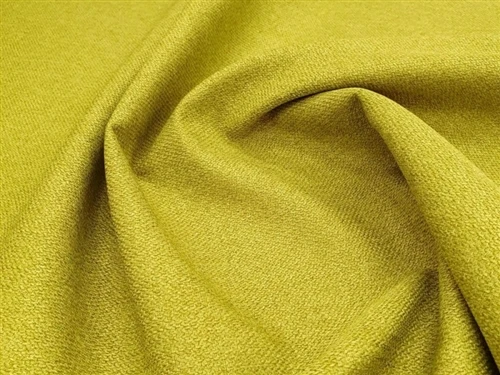
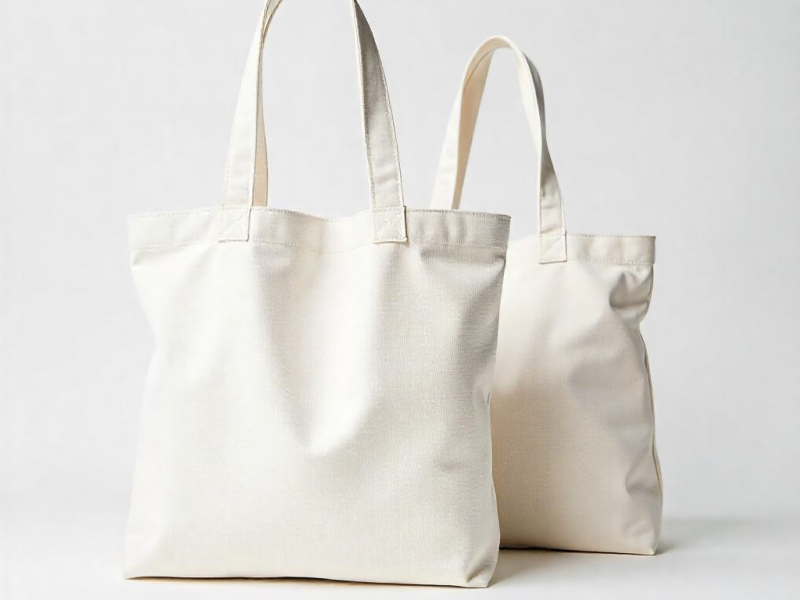
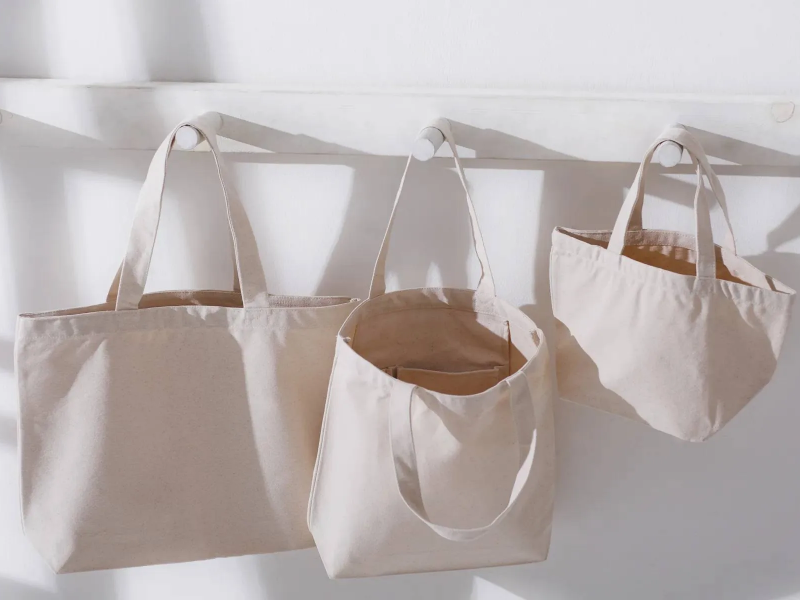
PVC fabric is a composite material made by bonding a textile substrate - usually polyester, nylon, or non-woven - with a polyvinyl chloride (PVC) layer. It is widely used in bags, tarpaulins, banners, protective covers, and clear stadium bags because it offers water resistance, durability, easy cleaning, and design versatility at a competitive price. However, it is not breathable, can stiffen or crack in cold temperatures if poorly formulated, and faces growing environmental scrutiny. Choosing the right PVC-based material depends on your end product, performance requirements, and target market.
Table of Contents
- What Is PVC Fabric?
- What Is PVC Fabric Made Of?
- How Is PVC Fabric Made?
- Types of PVC Fabric
- Key Properties of PVC Fabric
- Advantages of PVC Fabric
- Disadvantages of PVC Fabric
- PVC Fabric vs. Other Common Materials
- Common Uses of PVC Fabric
- Is PVC Fabric Good for Bags?
- How to Choose the Right PVC Fabric
- Buyer Checklist: Key Parameters to Confirm
- Frequently Asked Questions
- Conclusion
What Is PVC Fabric?
PVC fabric is a composite material created by combining a textile base with a layer of polyvinyl chloride. Unlike a pure plastic sheet, this coated textile has a fabric core that provides structural support, while the PVC surface adds water resistance, chemical protection, and a cleanable finish. That dual structure is what gives it the practical balance between a textile's flexibility and a polymer's protective performance.
In our experience manufacturing bags and covers, we often explain it this way to first-time buyers: think of PVC fabric as a sandwich. The bread is the textile - it carries the load, resists tearing, and holds the shape. The filling is the PVC layer - it keeps water out, makes the surface wipeable, and allows for color, texture, and printing. Neither layer works as well alone.
This is also why two materials both labeled "PVC fabric" can behave very differently. One might be a rigid, glossy-coated woven polyester designed for tarpaulins, while another could be a soft, matte-finish laminated film meant for cosmetic pouches. The name tells you the chemistry; it does not tell you the construction, performance, or suitability for a particular product.
It is important to distinguish PVC-coated textiles from pure PVC film. A standalone PVC film is essentially plastic throughout - it can tear more easily and is harder to sew or bond into complex product shapes. PVC fabric, by contrast, gains tear strength, dimensional stability, and stitching compatibility from its reinforcing textile layer.

What Is PVC Fabric Made Of?
Every PVC-coated textile consists of two core components: the base fabric and the PVC layer. Each plays a distinct role.
The Base Fabric (Substrate)
The substrate is the structural skeleton. It determines how the finished material handles tension, tearing, folding, and shape recovery. Common substrate choices include:
| Substrate Type | Key Strengths | Common Applications |
|---|---|---|
| Woven polyester | High tensile strength, good dimensional stability, cost-effective, widely compatible with coating processes | Tote bags, tarpaulins, outdoor covers, industrial curtains |
| Nylon | Excellent flexibility, high abrasion resistance, good tear toughness | Travel bags, heavy-duty covers, technical products |
| Cotton | Softer hand feel, more natural backing texture | Upholstery, specialty fashion applications |
| Non-woven | Low cost, lightweight, fast production | Promotional bags, short-life packaging, disposable covers |
For an in-depth comparison between woven and non-woven substrates, see our guide on PP woven vs. non-woven bags. If you are comparing polyester with nylon as a backing, our article on nylon vs. polyester bags covers the key differences.
The PVC Layer
The functional surface is formed from PVC resin blended with plasticizers, stabilizers, pigments, fillers, and performance modifiers. These additives are not trivial details - they determine whether the finished material feels soft or rigid, whether it yellows after six months of sunlight, whether it cracks when folded at low temperatures, and whether it meets flame-retardancy requirements.
In our sourcing projects, one of the most common mistakes we see is buyers focusing only on the PVC surface and ignoring the backing. A glossy, attractive PVC layer bonded to a weak non-woven substrate will not survive repeated loading in a grocery tote. The substrate carries the structural load; the coating protects the surface. Both must match the application.
How Is PVC Fabric Made?
Three main production methods are used to combine PVC with a textile base: coating, lamination, and calendering. The method shapes the material's feel, durability, appearance, and cost.
Coating
A liquid or semi-liquid PVC compound is applied directly onto the base fabric, then heated so the polymer bonds to the substrate and forms a continuous surface layer. This is the most common method for producing industrial-grade coated textiles. It allows precise control over thickness, texture, and additive loading. Most heavy-duty tarpaulins, tool bags, and outdoor covers use coated constructions.
Lamination
A pre-formed PVC film is bonded to the fabric using heat, adhesive, or pressure. Lamination is often preferred when surface clarity, decorative finish, or layered transparency matters - for example, in clear bags, fashion pouches, and display-oriented products. However, long-term performance depends heavily on bond quality. In lower-grade products, we occasionally see delamination after extended use or exposure to heat.
Calendering
PVC compound is passed through heated rollers to produce sheets or films of controlled thickness. These films are then combined with fabric in a secondary step. Calendering is efficient for high-volume production and creates smooth, uniform surfaces. It is commonly used for banner materials and large-format industrial sheeting.
The production method matters because it directly affects hand feel, thickness consistency, coating adhesion under folding and abrasion, surface appearance (gloss, matte, embossed, clear), and ultimately cost. In our bag production experience, coating adhesion is often the most underappreciated factor - a material that looks fine on a swatch can fail at seams and fold lines if the bond between layers is weak.
Types of PVC Fabric
PVC-based textiles are not a single material category. They span a range of constructions designed for different performance targets, price points, and end uses.
PVC-Coated Woven Fabric
Built on a woven polyester or nylon base with a PVC surface layer. This construction delivers the best combination of tear resistance, dimensional stability, and structural body. It is the standard choice for tote bags, tool bags, tarpaulins, industrial curtains, and outdoor covers. The trade-off is that thicker coatings can feel stiff - something that matters less in utility products but more in consumer-facing goods. For bulk tote bag production, this is usually the safer pick because the woven backing gives the bag better shape retention and tear strength than cheaper non-woven alternatives.
PVC-Coated Non-Woven Fabric
Uses a non-woven substrate for cost efficiency. Suitable for promotional bags, short-life packaging, and price-sensitive disposable applications. It delivers basic water resistance at a lower price point, but offers significantly less tear strength and durability than woven-backed versions. In our experience, this construction works well for single-event giveaways or lightweight packaging - but not for products expected to handle repeated heavy loads. Learn more about non-woven material characteristics in our non-woven bags guide.
Laminated PVC Fabric
Combines a PVC film with a textile backing through lamination rather than direct coating. This method produces cleaner surface finishes and is popular in fashion bags, pouches, and decorative products where visual appeal matters. The key risk is bond durability: in lower-grade versions, the film may peel away from the backing over time, especially under heat or mechanical stress.
Transparent PVC Fabric
Uses a clear or semi-transparent PVC layer, sometimes reinforced with a mesh or thin textile. Typical uses include clear stadium bags, cosmetic pouches, protective curtains, rain shields, and packaging windows. The main advantage is visibility - users can see contents while retaining water resistance. The main risk is that lower-quality transparent PVC can scratch, yellow, stiffen, or become cloudy over time. For clear bag sourcing specifically, anti-yellowing performance and cold-crack resistance are the two parameters we test most carefully.
Embossed PVC Fabric
Features a textured surface created during processing - patterns can mimic leather grain, woven texture, geometric designs, or custom brand patterns. This construction improves visual appeal and can hide minor scuffs. Popular in decorative bags, furniture covers, automotive interiors, and branded consumer products. Keep in mind that embossing improves appearance but does not inherently improve structural performance.
Flame-Retardant PVC Fabric
Formulated with additives to meet fire-performance standards. Used in industrial curtains, transport interiors, public-event installations, protective covers, and contract furnishing. Flame-retardant grades typically cost more, and buyers must verify compliance against specific regional standards - for instance, CPSC flammability requirements in the US or EN standards in Europe. Simply seeing "flame-retardant" on a spec sheet is not enough; always request the relevant test report.
Key Properties of PVC Fabric
Waterproof Performance
The PVC surface creates a moisture barrier far more effective than untreated textile. This is the property most buyers know - and the reason this material dominates in bags, covers, and protective apparel. However, it is important to understand that the fabric surface being waterproof does not automatically mean the finished product is waterproof. Seams, stitch holes, zippers, and edge construction all create potential leak paths. In bag production, the biggest issue is often not the material surface itself but how seams are constructed - welded seams outperform stitched seams for waterproofing.
Chemical Resistance
PVC-coated textiles generally resist oils, many solvents, and common contaminants better than uncoated fabrics. This makes them practical in industrial environments, laboratories, food-handling areas, and any application requiring easy wipe-down maintenance.
UV Resistance
Outdoor-grade formulations incorporate UV stabilizers and pigments that slow degradation from sunlight. However, not all PVC materials are formulated for outdoor exposure. Indoor-grade products may yellow, stiffen, or crack within months when used outdoors. When specifying material for tarpaulins, awning covers, or outdoor banners, always confirm the UV rating and expected service life with the supplier.
Tear and Abrasion Resistance
Because of the reinforcing textile substrate, PVC-coated fabrics typically outperform pure plastic films in tear resistance. The actual performance depends on substrate construction (woven outperforms non-woven), coating thickness, and bond quality. For applications with heavy mechanical stress, such as industrial covers or heavy-load tote bags, we recommend requesting tear strength test data - typically measured according to standards like ASTM D2261 (tongue tear) or equivalent methods.
Printability
PVC surfaces accept screen printing, digital printing, and heat transfer well, making them ideal for branded bags, signage, and promotional products. Different surface finishes (glossy vs. matte, smooth vs. embossed) affect print adhesion and visual results. For a detailed comparison of printing techniques on bag materials, see our guide on how to print on tote bags.
Easy Cleaning
The coated surface keeps dirt, splashes, and stains on the surface rather than absorbing into the fabric. A damp cloth is often sufficient for routine cleaning. This is one of the reasons PVC-based materials remain popular in food service, healthcare, and daily-use consumer products.
Shape Retention
Many PVC-coated materials hold their shape better than soft textiles. This is valuable in tote bags that need to stand upright, structured pouches, protective cases, and covers that must maintain form. The degree of stiffness depends on coating thickness, plasticizer level, and base fabric weight.
Flexibility Range
PVC-based materials can be engineered from soft and pliable to firm and rigid. The plasticizer content is the main lever - higher plasticizer levels create softer, more flexible material. This tunability is one reason the same polymer appears in products as different as soft cosmetic pouches and rigid industrial partitions.
Heat Tolerance
Standard PVC-coated textiles offer moderate heat resistance suitable for most everyday applications. However, prolonged exposure to high temperatures can cause deformation, surface hardening, or loss of plasticizer. For environments with elevated heat, specially formulated grades or alternative materials like silicone-coated fabrics should be considered.
Transparency Options
Unlike most coated fabrics, PVC can be made fully transparent - a feature that enables clear bags, display windows, protective curtains, and visibility-focused product designs. Transparent grades vary significantly in optical clarity, scratch resistance, and aging performance.
Advantages of PVC Fabric
PVC-coated textiles remain one of the most widely specified materials in bag and cover manufacturing for practical reasons:
- Reliable water resistance. The PVC surface creates an effective moisture barrier for bags, covers, aprons, banners, and outdoor products.
- Stain resistance and easy maintenance. Everyday dirt wipes away easily, keeping the product looking cleaner for longer - a genuine selling point for bags used in food, travel, and retail environments.
- Competitive cost. Among waterproof coated materials, PVC typically offers the best price-to-performance ratio. It provides a more protective and structured surface than untreated fabrics without reaching the premium cost of alternatives like TPU. For buyers working within strict per-unit budgets, this cost advantage is often decisive. Our guide to hidden costs in bag sourcing explains why the cheapest material is not always the most economical choice.
- Design versatility. PVC-based material can be produced in transparent, embossed, glossy, matte, colored, printed, or textured finishes - supporting both functional and decorative design goals.
- Structural body. The coating adds rigidity that helps products hold shape - useful in tote bags, cases, and covers where form matters.
- Broad application range. From promotional shopping bags to industrial tarpaulins to clear stadium bags, this material system adapts to a remarkably wide range of product categories.
Disadvantages of PVC Fabric
No material is perfect. Here are the limitations you should consider:
- Not breathable. The PVC layer blocks airflow entirely. This makes it unsuitable for wearable products requiring ventilation, and it can cause moisture buildup in enclosed bag designs used in hot environments.
- Can feel stiff. Compared with softer coated alternatives like TPU or PU, PVC-coated material often feels more rigid - especially in thicker gauges. This stiffness is an advantage in structured products but a drawback when softness or drape is the design goal.
- Aging risks with poor formulation. This is where quality variation hurts most. Low-cost formulations using unstable plasticizers can lead to cracking, brittleness, yellowing, or loss of flexibility over time - particularly under repeated folding, cold temperatures, or UV exposure. In our factory testing, we have seen cheap transparent PVC turn noticeably yellow and stiff within three to four months of light outdoor use, while properly formulated grades remain clear and flexible much longer.
- Environmental concerns. PVC faces scrutiny related to chlorine chemistry, plasticizer safety (particularly older phthalate-based formulations), and end-of-life recyclability. Some brands and markets are shifting toward alternatives like TPU, EVA, or bio-based polymers. If sustainability messaging is important for your brand, you should understand the regulatory landscape in your target market. Our environmental certifications guide covers the most commonly requested standards.
- Quality inconsistency. Two PVC materials can look identical on a sample swatch but perform very differently in production. Differences in substrate quality, plasticizer stability, coating adhesion, and additive formulation create a wide performance range under the same "PVC fabric" label. Always request material specification sheets and, for critical applications, independent test reports.
- Surface waterproofing ≠ product waterproofing. Sewn seams, zip closures, and edge finishing all introduce potential leak paths. If true waterproofing is required, the construction method matters as much as the material itself - welded seams significantly outperform stitched seams.
PVC Fabric vs. Other Common Materials
PVC vs. Vinyl
In everyday commercial language, "PVC" and "vinyl" often refer to the same material family. "Vinyl" is the more consumer-friendly term; "PVC fabric" sounds more technical and is used more often in manufacturing and sourcing contexts. Do not assume the label alone defines performance - always ask for the actual construction details, thickness, and substrate type.
PVC vs. TPU
TPU (thermoplastic polyurethane) is generally softer, more elastic, more cold-resistant, and considered more environmentally acceptable than PVC. It is the preferred choice for premium bags, high-clarity transparent products, and applications requiring superior low-temperature flexibility. PVC's advantage is cost: it delivers decent structure and protection at a lower price point. In our product development work, we recommend TPU when clients prioritize transparency quality, cold-climate performance, or brand sustainability positioning - and PVC when the budget is tight and the application does not require premium flexibility.
PVC vs. PU
PU (polyurethane) coated fabrics offer a softer, more textile-like hand feel and are often preferred in fashion goods, upholstery, and products where touch and visual refinement matter. PVC provides stronger surface waterproofing, easier wipe-clean performance, and better structural stiffness. The choice usually depends on whether the product prioritizes appearance and softness (PU) or water resistance and durability (PVC).
PVC vs. PEVA / EVA
PEVA and EVA are chlorine-free alternatives that offer lighter weight and a softer feel. They are increasingly chosen in consumer goods and environmentally sensitive categories. PVC still leads in structural rigidity, surface durability, print compatibility, and cost efficiency. PEVA or EVA may be the better choice for lighter-duty products or when material image matters for brand positioning.
Material Comparison at a Glance
| Property | PVC | TPU | PU | PEVA / EVA |
|---|---|---|---|---|
| Cost | Low–Medium | Medium–High | Medium | Low–Medium |
| Waterproofing | Strong | Strong | Moderate | Moderate |
| Softness / Flexibility | Moderate | High | High | High |
| Transparency quality | Good | Excellent | Limited | Moderate |
| Cold resistance | Moderate (formulation-dependent) | Excellent | Good | Good |
| Structural rigidity | High | Low–Medium | Low–Medium | Low |
| Environmental perception | Lower | Higher | Moderate | Higher |
| Printability | Excellent | Good | Good | Moderate |
| Durability | Good–Excellent | Excellent | Good | Moderate |
For a broader comparison of bag materials including natural fiber options, see our article on which bag material is truly the most sustainable.
Common Uses of PVC Fabric
Bags
PVC-coated materials are among the most frequently used in bag manufacturing: tote bags, shopping bags, grocery bags, cosmetic pouches, lunch bags, travel organizers, and clear stadium bags. The water-resistant surface and structural body make it especially practical when contents need protection or visibility. Browse our full range of custom bag products to see how different material constructions are applied.
Outdoor Products
Tarpaulins, equipment covers, awnings, furniture covers, and weather-resistant enclosures all rely on PVC-coated textiles for their combination of moisture resistance, UV tolerance (in outdoor-grade formulations), and surface cleanability.
Furniture and Upholstery
In commercial settings - restaurants, healthcare facilities, waiting rooms - PVC-coated upholstery materials are valued for easy cleaning and stain resistance. The trade-off is that they lack the breathability and natural hand feel of fabric or genuine leather.
Protective Clothing
Rainwear, industrial aprons, splash-resistant garments, and protective outer layers use PVC-based material where water and chemical barrier performance outweighs the need for breathability.
Advertising and Display
Banners, signage, event backdrops, and printed promotional surfaces take advantage of PVC's excellent printability and handling durability.
Industrial Applications
Curtains, partitions, machine covers, containment barriers, and utility covers in factory and warehouse environments.
Application Matching Guide
| Product Type | Recommended PVC Construction | Key Parameters to Verify |
|---|---|---|
| Tote bag / shopping bag | PVC-coated woven polyester | Tear strength, handle reinforcement, printability |
| Clear stadium bag | Transparent PVC (laminated or film-reinforced) | Anti-yellowing, cold-crack resistance, clarity grade |
| Promotional giveaway bag | PVC-coated non-woven | Cost per unit, print quality, minimum order quantity |
| Tarpaulin / outdoor cover | Heavy-duty PVC-coated woven polyester | UV rating, tear strength, thickness, seam method |
| Banner / signage | Calendered PVC sheet on polyester | Print compatibility, surface finish, weight |
| Upholstery / furniture cover | Embossed PVC-coated fabric | Abrasion resistance, flame retardancy, hand feel |
| Industrial curtain / partition | Flame-retardant PVC-coated fabric | Fire-test certification, thickness, opacity |
Is PVC Fabric Good for Bags?
Yes - for the right type of bag and the right product goal. PVC-coated material is a strong choice when the bag needs water resistance, structural body, surface durability, brand printing, or clear visibility. That is exactly why it dominates in shopping bags, clear compliance bags, promotional totes, and utility pouches.
It is less suitable when the design calls for softness, breathability, premium drape, or a strong eco-friendly brand story. In those cases, TPU, PU, cotton canvas, recycled rPET, or Tyvek may be better alternatives.
Here is what we advise buyers to focus on for specific bag types:
- For tote bags: Pay attention to total material thickness, handle attachment method, print adhesion, and whether the bag needs to stand upright or fold flat. Woven polyester backing is usually the right choice. Read more about polyester as a bag material.
- For grocery bags: Repeated loading puts stress on substrate strength, seam construction, and handle reinforcement - these matter more than surface appearance. A bag that looks great on a sample but tears at the handle after five uses is not a usable product.
- For clear bags: Transparency quality varies widely. Test for yellowing, cold-stiffening, scratch resistance, and compliance with any applicable regulations (such as NFL/stadium clear bag policies). Always request an aging sample if possible.
- For promotional bags: Cost per unit matters, but so does brand impression. A PVC-backed non-woven bag is acceptable for a single-event giveaway; for a bag representing a premium brand, the material and finish should match the brand positioning. See our guide to custom swag bags for practical tips.
Questions to Ask Your Supplier
- When sourcing PVC bags, these questions help separate generic material from a construction designed for actual product reliability:
- What is the full material construction (substrate type + coating method + total thickness)?
- What base fabric is used, and what is its weight?
- Is the surface coated or laminated?
- How does the material perform under repeated folding and cold temperatures?
- Is it suitable for the intended printing method?
- How are seams made - stitched, welded, or bonded?
- Is the material rated for indoor or outdoor use?
- Are compliance certificates or independent test reports available?
For more detail on managing minimum quantities and lead times, see our MOQ and lead time guide.
How to Choose the Right PVC Fabric
Material selection should always start with the application, not the material name. "I need PVC fabric" is not specific enough. "I need a 0.35 mm coated woven polyester with matte finish for a reusable grocery tote printed with a two-color logo" - that is a specification a supplier can quote accurately.
Here is a step-by-step framework we use internally when helping buyers select the right construction:
Step 1: Define the End Use
A promotional shopping bag, a clear compliance bag, an industrial equipment cover, and an outdoor event banner have completely different performance priorities. Start by listing what the product must do - carry weight, resist water, display contents, survive outdoor exposure, fold flat, accept printing - and let those requirements drive material selection.
Step 2: Choose the Right Substrate
Woven polyester is the default for most durable bag and cover applications. Non-woven backing is acceptable for short-life promotional products where cost is the primary constraint. Nylon may be justified when high flexibility or abrasion resistance is critical. Understanding fabric weight and its impact on durability will help you make a more informed substrate choice.
Step 3: Specify Thickness and Hand Feel
Thicker material provides better body and durability but increases stiffness, weight, and cost. Thinner gauges fold more easily but may not hold shape or resist abrasion as well. For tote bags, we typically work in the 0.25–0.45 mm total thickness range; for tarpaulins and heavy covers, 0.5 mm and above is common. Always request a physical sample at the target thickness before committing to a production run.
Step 4: Confirm Surface Finish and Appearance
Glossy, matte, embossed, transparent, colored, or printed - the surface finish affects both aesthetics and function. Glossy surfaces show scratches more easily; matte finishes hide minor marks. Embossed textures can add a premium feel. For transparent products, specify the clarity grade and anti-yellowing requirements.
Step 5: Assess Functional Requirements
Map your product's operating environment to specific performance parameters:
| Requirement | What to Specify or Test |
|---|---|
| Outdoor weather resistance | UV stabilizer content, expected outdoor service life, accelerated weathering test results |
| Cold-temperature flexibility | Cold-crack test (e.g., ASTM D2136), minimum operating temperature |
| Flame retardancy | Specific standard (e.g., CPAI-84 for tents, NFPA 701 for curtains, BS 5852 for upholstery) |
| Chemical resistance | Exposure type (oils, solvents, acids), contact duration |
| Abrasion / tear resistance | Tear strength test data, abrasion cycle count |
| Waterproofing | Hydrostatic head test, seam construction method |
Step 6: Plan for Customization and Branding
Consider the intended printing method (screen print, heat transfer, digital), logo detail level, and color matching requirements. Different surface finishes interact differently with printing processes - a smooth glossy surface yields different results from a matte or textured one. Confirm print compatibility with your supplier before production.
Step 7: Evaluate Compliance and Certification Needs
Depending on your target market and product category, you may need to verify compliance with regulations such as EU REACH, California Proposition 65, CPSIA (for products sold in the US, particularly children's items), or specific industry standards. Ask the supplier upfront whether test reports are available, and budget for third-party testing if the stakes are high. Our certifications guide for bag buyers provides a practical overview.
Step 8: Request Samples and Test Before Committing
Never finalize a material based on a digital image or a data sheet alone. Request physical samples, test them under conditions that simulate real use (folding, loading, exposure to heat or cold), and compare multiple options side by side. The difference between a good and bad PVC construction is often invisible in photos but immediately obvious in hand.
Buyer Checklist: Key Parameters to Confirm with Your Supplier
| Parameter | Why It Matters |
|---|---|
| Substrate type (woven / non-woven / nylon / cotton) | Determines tear strength, shape stability, and sewing compatibility |
| Total thickness (mm) | Affects stiffness, body, durability, and weight |
| Weight (g/m²) | Impacts shipping cost and product feel |
| Surface finish (glossy / matte / embossed / clear) | Affects appearance, print compatibility, and scratch visibility |
| Coating method (coated / laminated / calendered) | Influences bond durability, hand feel, and cost |
| Tear strength (N) | Critical for bags and covers under load |
| Cold-crack temperature | Essential for products used in cold climates or cold-chain logistics |
| UV / weathering rating | Required for outdoor applications |
| Flame retardancy standard | Mandatory for regulated environments |
| Printing compatibility | Must match your intended branding method |
| Seam method (stitch / weld / bond) | Determines waterproof integrity and durability |
| Compliance / test reports | Required for regulated markets and quality assurance |
Frequently Asked Questions
Is PVC fabric waterproof?
The PVC surface itself is highly water-resistant and will block moisture penetration through the coated area. However, the finished product's waterproof performance depends on seam construction, closures, and edge finishing - not just the fabric surface. Welded seams provide better waterproofing than stitched seams.
Is PVC fabric safe for bags?
PVC is widely used in commercial bag production and is generally considered safe for non-food-contact applications when properly formulated. For products sold in regulated markets - especially children's products or food-contact items - verify compliance with relevant safety standards such as CPSIA, EU REACH, or California Proposition 65. Avoid PVC formulations using restricted phthalate plasticizers.
Does PVC fabric crack in cold weather?
It can, if the formulation uses low-quality or insufficient plasticizer. Cold-crack resistance varies significantly between grades. For products used in cold environments, request the cold-crack temperature from your supplier and test samples under simulated conditions. Properly formulated material can perform well below freezing; cheap formulations may crack at moderate cold.
Is PVC better than TPU?
Neither is universally better - they serve different needs. PVC offers a cost advantage and good structural rigidity. TPU offers superior flexibility, cold resistance, transparency, and environmental perception. For budget-sensitive projects, PVC is often the practical choice. For premium or eco-conscious products, TPU typically wins.
How long does PVC fabric last?
Service life depends on formulation quality, usage conditions, and construction method. Well-formulated outdoor-grade PVC tarpaulins can last several years under weather exposure. Indoor products with moderate use can last much longer. Poor-quality material in demanding conditions may degrade within months. Always match the material grade to the expected service environment.
Can PVC fabric be recycled?
PVC recycling infrastructure exists but is not as widely accessible as recycling for materials like PET or HDPE. The composite structure (textile + PVC) adds complexity. Some specialized recyclers process PVC, but it is not accepted in most curbside recycling programs. For brands with strong sustainability goals, consider discussing end-of-life options with your supplier or evaluating alternative materials.
Conclusion
PVC fabric is not a single material - it is a family of composite constructions with a wide range of performance, quality, and cost. For bags, covers, banners, and protective products, it remains one of the most practical and cost-effective material systems available. But "PVC" alone is not a specification. The substrate type, coating method, thickness, additive formulation, and construction quality all determine whether the finished product meets expectations or falls short.
The most reliable approach to sourcing PVC-based materials is to start with your product's requirements, specify the construction in detail, request physical samples, and verify performance with testing data when the application demands it.
If you are developing a bag, cover, or branded product and need guidance on material selection, our team can help you match the right PVC construction to your product goals. Contact us or submit an inquiry to discuss your project.
Written by the Printtotes sourcing and product development team, based on over 10 years of bag manufacturing and material selection experience.