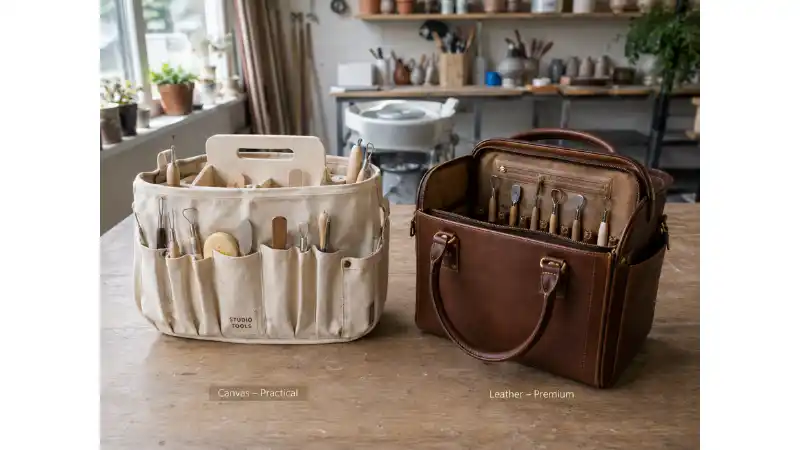
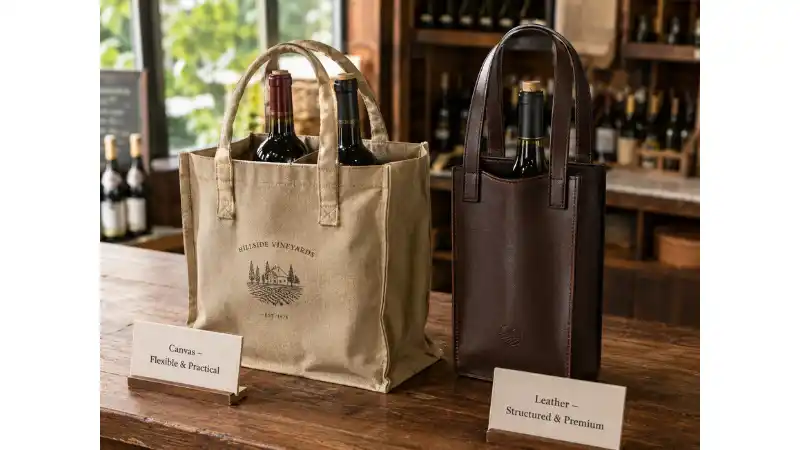
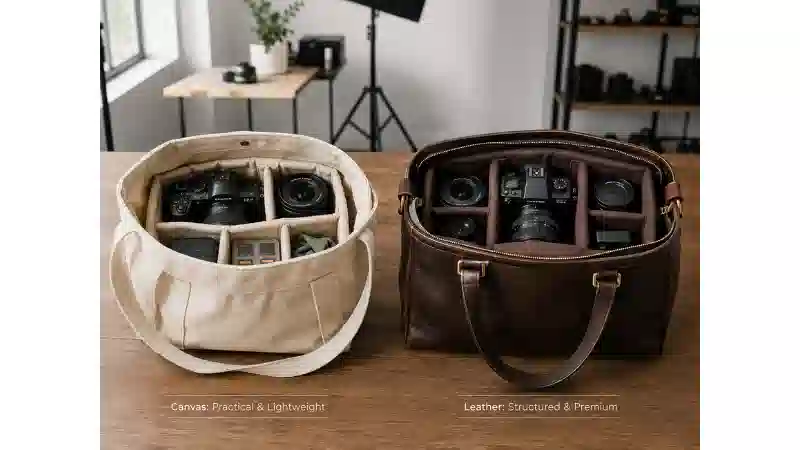
We've been printing tote bags for over 8 years, working with brands ranging from local coffee shops to Fortune 500 companies. In that time, we've seen the same costly mistakes repeated over and over-and most of them come down to one thing: choosing the wrong printing method for the job.
For example, in June of this year, a pet supplies customer ordered 500 eco-friendly bags for a trade show. They chose DTG printing instead of screen printing, which resulted in each bag costing about $3.50 more, totaling about $1,750 more. Fortunately, the tote bags were very effective at the exhibition, and customer feedback indicated that almost all of them were given away.
We wrote this guide to prevent this from happening again. We're going to walk you through how we actually think about printing decisions-not just a list of methods, but the real trade-offs and judgment calls that matter.
The Real Cost of Getting It Wrong
We studied the Advertising Impressions Study 2024 published by the Advertising Specialty Products Association (ASII). This report shows that promotional bags generate an average of 5,700 impressions over their lifespan-more than any other promotional product category. This means brands choosing custom tote bags can gain significant attention. But the data doesn't tell you: these impressions are only effective if the bags are durable.
Faded logos after two washes and frayed handles are simply embarrassing.
We often tell our clients that instead of worrying about saving a few cents per bag, consider the number of times the bag will be used. For one-off trade show promotions, cost can be a priority; for retail products or employee benefits, durability is paramount.
The printing method you choose will affect four aspects crucial to your budget and brand:
Unit cost - which varies dramatically based on order volume
Print durability - how many washes before it looks worn
Design fidelity - whether your colors and details come through
Production timeline - setup time plus actual printing speed
Get all four aligned with your goals, and you end up with bags people actually use. Miss one, and you've wasted your budget.
Before we dive into the technical details, let me show you what "getting it right" looks like.
Last year, an organic food brand approached us with a plan to prepare 2,000 shopping bags for their stores. They initially wanted to use heat transfer printing because of the complexity of the design, but after analysis, we found that their design could be simplified to three colors. By switching to screen printing, each bag saved about $4.20, for a total saving of about $8,400, and the durability was also greatly improved.
Six Printing Methods
We get asked "which printing method should I use?" a lot. Honestly, it depends-so instead of giving you a 2,000-word explanation, here's the cheat sheet.
The six cards above show what actually matters: cost per bag, setup fees, how long the print lasts, and color capabilities. Green badges mean excellent durability (100+ washes or permanent). Yellow and red? You're trading longevity for lower cost or faster turnaround.
Quick rule of thumb: if you're ordering 500+ bags with a simple logo, start with Screen Printing. Complex design but smaller quantity? Look at DTG or DTF. Need it yesterday? Heat Transfer. The "Best For" line at the bottom of each card is your shortcut.

When helping clients choose printing methods, we typically start by asking them three questions: What is the quantity? How many colors are in the design? What is the purpose of the bags? In 90% of cases, these three questions determine the basic solution.
What the Numbers Don't Tell You
The table above gives you the basics, but there are nuances that only come from experience. Here's what we've learned from printing hundreds of thousands of bags.
Screen printing is still king for volume-but there's a threshold most suppliers won't mention. Below 300 units, the setup cost per bag starts eating into your savings. We typically recommend screen printing only when you're ordering 500 or more, unless you're doing a simple one-color design.
Many clients are unaware that the "plate-making fee" for screen printing actually includes both plate-making and color-matching costs. If your design requires precise brand colors, be sure to provide the Pantone color codes in advance; otherwise, color deviations can be very noticeable.
DTG sounds perfect on paper-no setup fees, unlimited colors, photo-quality prints. But here's the catch: it only works reliably on 100% cotton, and production speed is about 20 bags per hour versus 400+ for screen printing. For a 500-unit order, that's the difference between a one-day job and a three-week project.
We've seen too many customers drawn to DTG's "infinite colors" but overlooking a crucial issue-DTG requires applying a white base coat to dark fabrics first, which makes the fabric feel stiffer and increases costs by about 30%.
Heat transfer is the go-to for last-minute orders-quick turnaround, low minimums, full color. But durability is its Achilles heel. The transferred layer sits on top of the fabric rather than bonding with it, which means cracking and peeling are inevitable with heavy use.
We usually recommend it only for single-event giveaways where the bags won't see much wear.
Sublimation produces stunning results-vibrant colors that become part of the fabric itself. The limitation? It only works on polyester or polyester-blend materials, and only on white or light colors. If you're set on cotton, sublimation isn't an option.
Sublimation is very sensitive to the polyester content-we recommend at least 65% to ensure effectiveness. Some suppliers apply a polyester coating to cotton fabric to achieve a "fake sublimation," which is far less effective and durable; be sure to ask about this beforehand.
DTF is the new kid on the block, and it's genuinely impressive. It works on almost any fabric, handles both light and dark colors well, and produces durable prints. The technology is still maturing, though, so quality varies significantly between suppliers. We've tested dozens of DTF providers-some produce prints that rival screen printing, others fall apart after a few washes.
DTF is currently our most recommended "middle-of-the-road" solution-for customers with order quantities between 100-500, complex designs, and the need for printing on dark fabrics, DTF is often the best choice.
Material + Method: Produce the best results
Choosing the right printing method is only half the equation. The material of your tote bag determines which methods will even work-and which will produce the best results.
|
Material |
Best Methods |
Avoid |
Notes |
|
Cotton Canvas (Light) |
Screen, DTG, DTF |
Sublimation |
Pre-treat for DTG to prevent bleeding |
|
Cotton Canvas (Dark) |
Screen (underbase), DTF |
DTG, Sublimation |
White underbase adds cost + stiffness |
|
Polyester |
Sublimation, DTF |
DTG |
Need 65%+ polyester for sublimation |
|
Non-Woven PP |
Screen, Heat Transfer |
DTG, Embroidery |
Cheapest material for high-volume promos |
|
Jute/Burlap |
Screen (plastisol ink) |
DTG, Sublimation |
Rough texture needs thick ink deposits |
|
Recycled PET (rPET) |
Sublimation, Screen (eco-ink) |
- |
Great for sustainability messaging |
Some clients only mention needing eco-friendly bags when consulting us, but in reality, there are many types of "eco-friendly" materials-organic cotton, rPET, and non-woven PP, each with its own advantages and disadvantages. In such cases, we need to understand the client's environmental philosophy, budget, and design ideas to quickly determine the appropriate solution.
Real-World Cost Examples
Let's look at what different scenarios actually cost. These numbers are based on our 2024 production data and reflect typical market rates.
|
Scenario |
Screen Printing |
DTG |
DTF |
|
50 bags, 2-color logo |
$550 ($11.00/unit) |
$400 ($8.00/unit) |
$325 ($6.50/unit) |
|
500 bags, 2-color logo |
$1,950 ($3.90/unit) |
$4,000 ($8.00/unit) |
$3,000 ($6.00/unit) |
|
100 bags, full-color photo |
Not recommended |
$1,000 ($10.00/unit) |
$750 ($7.50/unit) |
|
2,000 bags, 1-color logo |
$5,050 ($2.53/unit) |
$16,000 ($8.00/unit) |
$11,000 ($5.50/unit) |
The green cells show the most cost-effective option for each scenario. Notice how the "best" choice changes dramatically based on quantity and design complexity. There's no universal answer-only the right answer for your specific situation.
Regarding hidden costs, we remind clients to be aware of the following fees: design revision fees, Pantone color matching fees, rush fees, and shipping costs. These fees can add up to 10% to 15% of the total cost. If budget is tight, it's best to finalize the design as early as possible to avoid repeated revisions.
Sustainability: Beyond the Buzzwords
"Eco-friendly" has become a marketing term that means almost nothing without specifics. Here's what actually matters when it comes to sustainable tote bag printing.
Water-based inks contain fewer volatile organic compounds (VOCs) than traditional plastisol inks. They're biodegradable, dry at lower temperatures (reducing energy use), and produce a softer hand feel. The tradeoff: slightly less vibrancy on dark fabrics, and higher cost (approximately 15-20% more than plastisol).
Soy-based inks are derived from renewable soybean oil rather than petroleum. They produce sharper, brighter colors and are easier to remove during recycling-which matters if your bags will eventually be recycled.
GOTS-certified inks meet the Global Organic Textile Standard, meaning they're safe for organic textile processing and pass Oeko-Tex Standard 100 testing. If you're printing on organic cotton and want to maintain that certification, GOTS inks are required.
Frankly, these truly "eco-friendly prints" cost more-potentially 30-40% more than standard options. You need to understand how environmentally conscious your target audience is. If it's a brand targeting young consumers, the investment might be worthwhile; if it's trade show gifts, the highest standards aren't necessary.
What We Help You Avoid
Part of our job is steering clients away from costly surprises before they happen. Here's what we flag most often during project planning.
Sending 72 DPI images. The logo on your website is optimized for screens, not print. It will look pixelated and blurry when scaled up to tote bag size. We need vector files (.ai, .eps, .svg) or raster images at 300 DPI minimum. If you don't have these, ask your graphic designer for the source files-they should have them.
Skipping the physical sample. Digital mockups are approximations. Colors look different on screen than on fabric. The texture, weight, and feel of the bag can't be conveyed in a PDF. For any order over $1,000, a physical sample is worth the extra $50-100 and few days of delay.
Underestimating lead times. Screen printing setup takes 3-5 business days. Production runs of 1,000+ units typically need 2-3 weeks. Add shipping time on top of that. If you need bags for an event, work backwards from your deadline and add a buffer. Rush fees can add 20-50% to your total cost.
Choosing method before material. Sublimation only works on polyester. DTG works best on cotton. Heat transfer can crack on stretchy fabrics. Know your bag material first, then pick a compatible printing method-not the other way around.
Working With Us
PrintTote runs 120+ machines for printing, laminating, and sewing-with monthly output exceeding 350,000 bags. More importantly for this guide: we offer screen printing, DTG, DTF, heat transfer, and sublimation under one roof. That means we can recommend the method that actually fits your project, not just the equipment we happen to have.
For printing projects specifically, the process usually looks like this: you send us your artwork and requirements, we respond within 24 hours with a recommendation on which printing method makes sense for your design, material, and budget. If you're unsure about artwork specs (resolution, color mode, file format), we'll flag issues before they become problems.
Physical samples take 5-10 working days and cost $50-100 (refunded on bulk orders).
Production runs 25-40 days depending on complexity. Every bag goes through in-house QC before shipping, with particular attention to print accuracy, color consistency, and logo adhesion.
MOQs vary by material (typically 1,000-3,000 pcs), and we hold certifications including REACH, GOTS, and GRS for clients who need compliance documentation. Full details on our OEM services page.
Ready to get started? Browse our product catalog or reach out directly at info_sales@smartshoppingbags.com. We're happy to talk through your project-no commitment required.
Data sources cited in this guide:
- Advertising Specialty Institute. (2024). Ad Impressions Study.
- Cost estimates based on PrintTote 2024-2025 production data and industry benchmarks.
- The PrintTote Team
Max Profit (China) Limited
WhatsApp: +86 138 2376 5182 | Tel: +86-755-26893902