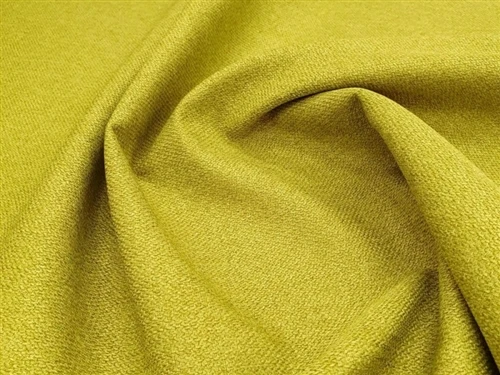
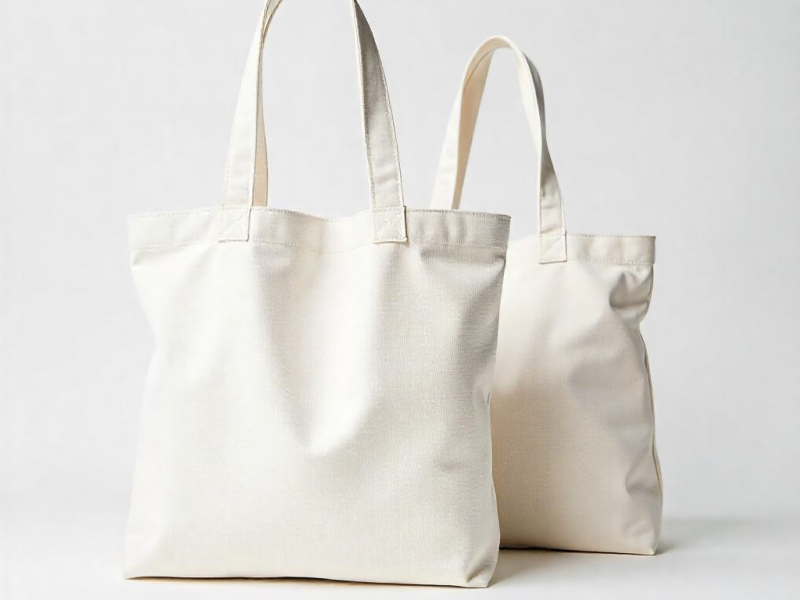
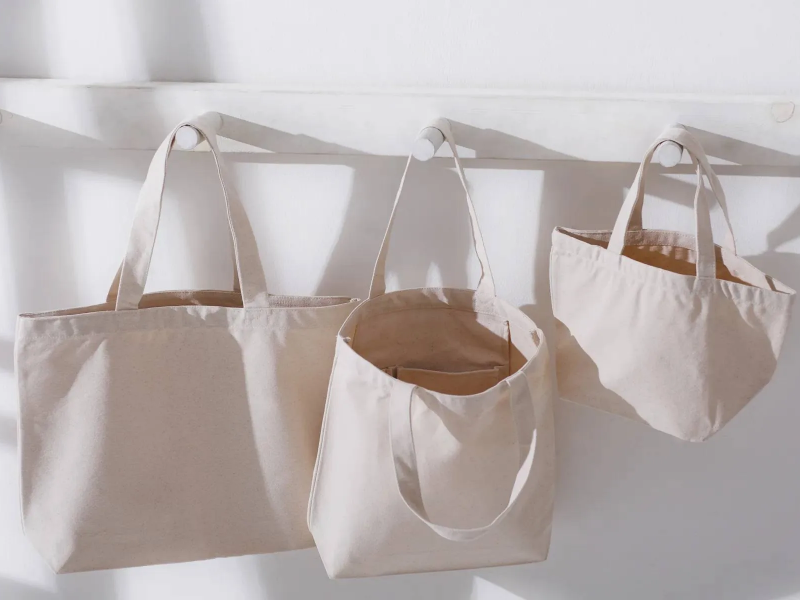
Bulk orders of custom polyester beach bags involve several key specifications that affect product performance and cost. Material weight, printing method, water resistance coating, and construction quality all play distinct roles in how bags hold up under beach conditions.
We manufacture reusable bags for resorts, retailers, promotional campaigns, and corporate programs. With 18+ years of production experience across different order volumes, this guide covers the practical factors that shape bulk purchasing decisions.
Why Polyester Dominates Beach Bag Manufacturing
Walk through any resort gift shop or beach club, and polyester beach bags outnumber other materials significantly. This dominance stems from specific performance characteristics relevant to beach environments.
Cotton photographs well and offers natural appeal, but performs differently under actual beach conditions. The fabric absorbs moisture and retains it for extended periods. Saltwater accelerates fiber breakdown. UV exposure causes color fading within weeks of regular outdoor use.
Polyester's synthetic fiber structure repels water rather than absorbing it. UV resistance is inherent to the material. Sand shakes off the tighter weave more easily. For commercial buyers ordering hundreds or thousands of units, these characteristics directly impact replacement frequency and customer feedback.
Material Performance in Commercial Settings
One resort client provides bags as guest amenities, with the same inventory cycling through different visitors throughout the summer season. Their initial cotton bag program required replacing 40% of inventory each season due to wear, staining, and mildew issues. After switching to 140 GSM polyester with DWR coating, annual replacement dropped below 10%. The bags maintained presentable appearance through a full season of continuous guest use.
This represents typical performance differences between materials in high-use commercial applications.
Fabric Weight Specifications and Quality Standards
GSM (grams per square meter) determines fabric thickness and structural integrity. Understanding what different GSM ranges actually mean helps buyers select appropriate specifications for their intended use.
| GSM Range | Physical Characteristics | Typical Applications |
|---|---|---|
| 70-90 GSM | Translucent, minimal structure | Single-use event distributions |
| 120-140 GSM | Opaque, holds shape, durable | Resort amenities, retail, promotions |
| 160-200 GSM | Heavy-duty, canvas-like body | Premium retail, luxury applications |
Most commercial orders fall within the 120-140 GSM range, balancing durability with cost efficiency. Learn more about how fabric weight affects durability and performance.
Denier Rating and Thread Thickness
GSM measures overall fabric weight, while denier indicates individual fiber thickness. A 130 GSM fabric made with 200 denier thread performs differently than 130 GSM using 420 denier thread.
For beach bags in regular commercial use, 300-600 denier polyester provides appropriate durability. Below 300 denier, fabrics show wear patterns more quickly-visible shine where straps create friction, thinning at stress points around handles. Above 600 denier enters heavy-duty specifications that exceed typical beach bag requirements.
A beach club client came to us after disappointment with their previous supplier. The original order specified GSM only-the manufacturer used minimum denier thread to meet weight requirements while reducing material cost. Bags technically met the GSM specification but showed visible wear after several weeks. When reordering, we specified both GSM and denier minimums. Two seasons later, member bags still show minimal wear.
Water Resistance vs Waterproof Construction
Confusion between water-resistant and waterproof causes customer complaints and unrealistic expectations. These terms describe fundamentally different protection levels.
Water-resistant polyester handles typical beach scenarios: ocean splashes, sitting on damp sand, light rain, storing wet towels inside. Water beads on the surface and eventually evaporates or runs off. However, submersion or prolonged heavy rain exposure allows gradual water penetration through the fabric weave. The material slows water entry but doesn't completely prevent it.
Waterproof construction prevents any water penetration regardless of conditions. This requires sealed seams (welded or taped rather than sewn), laminated fabric layers, and typically PVC or TPU backing. A truly waterproof bag can be submerged for extended periods with contents remaining completely dry.

Customer complaints typically arise when buyers market bags as "waterproof" while the product only offers water resistance. A customer expecting waterproof protection assumes their electronics stay dry even if the bag gets soaked. When a rainstorm saturates the bag and water reaches their phone, the complaint follows-even though the bag performed exactly as its construction allows.
Most beach bag applications require water resistance rather than full waterproofing. Adding DWR (durable water repellent) coating significantly enhances performance-water beads up and sheds much more effectively. But this still differs from waterproof construction, and marketing should reflect actual capabilities.
When to Specify DWR Coating
We recommend DWR coating for:
- Resort amenities where bags regularly store wet swimsuits and towels
- Beach clubs in regions with frequent rain
- Retail products where customers expect enhanced water protection
- Applications involving electronics or moisture-sensitive contents
- The coating adds modest cost while eliminating the primary customer complaint about dampness.
Printing Methods That Survive Beach Conditions
Appropriate fabric specifications matter little if branding cracks and peels after limited use. Printing method selection determines whether logos remain visible for weeks or years under beach exposure.
Screen Printing for Volume Production
For orders exceeding 100 units with relatively simple graphics (1-4 colors), screen printing remains the manufacturing standard. The ink bonds into the fabric surface rather than creating a separate layer on top. After proper curing, it essentially becomes integrated with the material.
We regularly receive feedback from resort clients three seasons after delivery confirming their bags remain in active rotation with logos still showing sharp detail. This longevity explains why screen printing dominates commercial beach bag applications despite higher setup requirements compared to other methods.
Each color requires a dedicated screen, creating initial setup investment. However, this cost distributes across volume orders. At 250+ bag quantities, per-unit setup impact becomes minimal while durability remains maximum. Understanding different printing methods and their applications helps buyers select appropriate techniques.
Heat Transfer for Complex Graphics
Full-color photographs, gradient effects, and intricate artwork reproduce better through heat transfer printing. The absence of per-color setup fees makes this method economical for smaller production runs (50-100 bags).
The durability trade-off involves how the print layer integrates with fabric. Heat transfers create a distinct layer on the fabric surface rather than bonding into fibers. In climate-controlled environments, performance remains acceptable. Under beach conditions with sand abrasion, intense sun exposure, and saltwater contact, these prints show wear faster than screen printing.
Heat transfer works well for event-specific bags with defined short-term purposes-seasonal festivals, annual campaigns, limited-time promotions. For products representing brands across multiple seasons or retail applications, screen printing or sublimation delivers better long-term results.
Sublimation for Premium Applications
Sublimation transforms solid dye into gas that bonds with polyester fibers at the molecular level. The color literally becomes part of the fabric structure. It won't crack, peel, or fade under any exposure conditions.
The method's limitations include compatibility only with white or very light-colored polyester, and requirement for 100% polyester fabric-blends don't work. Cost exceeds other printing methods as well.
When applications demand all-over printing, photographic image quality, or guaranteed permanence for premium product lines, sublimation justifies higher investment. One surf shop client uses sublimation for their signature beach bag line. Three years after initial orders, customers still use the original bags with prints appearing new. This longevity creates brand loyalty that extends beyond what marketing campaigns typically achieve.
| Method | Best Applications | Beach Durability | Minimum Quantity |
|---|---|---|---|
| Screen Printing | Simple logos, bold colors | ⭐⭐⭐⭐⭐ | 100+ |
| Heat Transfer | Complex graphics, smaller runs | ⭐⭐⭐ | 25+ |
| Sublimation | All-over prints, photo quality | ⭐⭐⭐⭐⭐ | 50+ |
| Embroidery | Small logos, premium presentation | ⭐⭐⭐⭐⭐ | 50+ |

Real-World Applications Across Industries
Different commercial applications require different specification approaches. Understanding typical use patterns helps buyers select appropriate materials and features.
Resort and Hotel Programs
Beach bags in resort settings serve dual purposes as guest amenities and mobile brand marketing. Guests use bags during their stay and frequently take them home, extending brand visibility for months or years beyond checkout.
Successful resort programs typically specify 130-140 GSM polyester with screen-printed logos and DWR coating. Bags need to photograph well for social media posts, survive use by multiple guests throughout the season, and feel substantial enough to be kept as souvenirs.
A Caribbean resort orders 800 bags annually for their guest amenity program. They discovered that adding an interior zippered pocket increased the percentage of guests who take bags home-translating to more branded bags appearing in different cities and on social media platforms. Small specification detail, measurable marketing impact.
Promotional Distribution
Festival sponsorships, trade show giveaways, and beach events prioritize maximum distribution within budget constraints. These applications emphasize branding visibility and controlled costs over premium features.
Effective promotional specifications typically include 100-120 GSM polyester, 1-2 color screen printing, and bright colors that create visual impact in crowded environments. The goal isn't creating luxury products-it's producing functional bags people actually use while keeping brand visible. For insights on effective promotional programs, see our guide on reusable bag giveaway strategies.
A beverage company orders 2,000 bags each summer for beach festival sponsorships. Their design remains simple: brand name and logo in two colors. After experiencing handle failures during their first event when attendees loaded bags with heavy items, they upgraded to reinforced handle construction. This single specification change reduced failures to nearly zero while improving brand perception.
Retail Product Lines
Customers purchasing retail beach bags expect quality justifying the price point. This segment requires attention to both functional performance and aesthetic details.
Retail applications typically specify 140-160 GSM polyester with enhanced features: interior pockets, bottle holders, zipper closures, reinforced bottoms. Printing methods tend toward sublimation or premium multi-color screen printing.
A boutique beach accessories brand produces limited seasonal runs (200-300 bags) with unique designs. They use sublimation on 150 GSM polyester with premium hardware. Retail pricing reaches 3x+ wholesale cost, but customers respond positively because quality is immediately apparent-and the bags become multi-season accessories rather than single-summer purchases.
Corporate Gifting Programs
When bags represent your company in gifting contexts, quality signals matter more than cost optimization. These programs involve smaller quantities but require premium execution.
Corporate specifications typically include embroidered logos rather than printing, heavier fabric weights (150-180 GSM), and custom packaging. The bags need to convey thoughtfulness and value-this differs from promotional giveaways where volume matters most.
Evaluating Manufacturing Partners
Product specifications matter, but supplier capabilities and processes determine whether orders succeed or create problems. After nearly two decades in bag manufacturing, we've identified factors that distinguish reliable partners from problematic ones.
Quality Manufacturer Characteristics
Detailed specifications provided upfront. GSM, denier, coating type, stitching specifications, handle load capacity-this information should be readily available without requiring repeated inquiries. Vague material descriptions like "high-quality polyester" without supporting numbers typically indicate the supplier uses minimal specifications that technically qualify.
Pre-production sample protocols. Samples should reflect actual production specifications rather than idealized prototypes. What you approve for production should match what arrives in bulk orders. Many buyers learn this lesson expensively when samples use one material specification but bulk production substitutes cheaper alternatives.
Quality control documentation. During production, reputable manufacturers conduct inline inspections at cutting, printing, and assembly stages. Before shipping, final audits with photographic documentation verify specifications were met. This provides verifiable proof rather than requiring trust alone. Understanding relevant quality certifications helps buyers evaluate supplier credentials.
Realistic production timelines. Standard production typically requires 3-4 weeks after artwork approval, plus shipping time. Suppliers promising 10-day turnaround on 500-bag custom orders are either compromising quality or setting unrealistic expectations that lead to delays.
Warning Signs to Recognize
Several indicators suggest potential supplier problems:
- Material specification reluctance. Suppliers avoiding specific GSM or denier numbers typically use minimal materials that technically meet general descriptions while cutting costs.
- No sample availability. Manufacturers unwilling to provide pre-production samples either hide quality issues or operate with margins too thin to support basic quality assurance.
- Below-market pricing. Manufacturing costs remain relatively consistent across the industry. Dramatically lower pricing indicates corners being cut somewhere-material weight, print quality, labor standards, or quality control.
- Poor pre-sale communication. Difficulty obtaining basic information during the sales process typically worsens during production and after delivery.
Essential Supplier Questions
Before committing to a manufacturer, obtain clear answers to:
- What exact GSM and denier specifications apply to quoted products?
- Can you provide samples from actual production runs rather than prototypes?
- What quality control processes occur during production?
- What's your typical defect rate and how are issues handled?
- Can you provide references from clients with similar order volumes?
- What's included in quoted pricing versus additional fees?
- What's the production timeline from artwork approval to delivery?
- Do you maintain liability insurance and relevant export certifications?
Reputable manufacturers welcome these questions and provide detailed answers. Evasive responses suggest problems ahead. For buyers new to bulk ordering, our article on MOQ, lead time, and cost considerations provides additional guidance.
Common Purchasing Mistakes
Skipping Sample Verification
This creates more buyer disappointment than any other single factor. Specifications on paper don't convey how fabric feels, how stitching appears up close, or how printing looks on textured material. We require sample approval before starting production runs over 200 units. This protects both parties-buyers verify they're receiving expected products, we confirm expectations align with what we're manufacturing.
Prioritizing Lowest Price Only
The cheapest quote rarely delivers best value. Bags requiring replacement twice as frequently don't actually save money-and they damage brand perception while underperforming. Total cost includes longevity, replacement frequency, customer satisfaction, and brand impact. Modest initial investment in quality often delivers significantly better ROI. Our analysis of hidden costs in cheap bag orders explains this further.
Insufficient Lead Time
Production timelines remain relatively fixed. For a 500-bag custom order, expect 3 weeks production plus 2-3 weeks international shipping or 1 week domestic shipping. Rush fees can add 30-50% to costs while still not guaranteeing deadlines. Plan backwards from your need date-if bags are needed July 1st, orders should be placed by late April or early May, not mid-June.
Overly Complex Designs
Intricate logos with fine details and subtle gradients may appear perfect on computer screens. On polyester fabric with textured weave, those details disappear or blend together. Effective beach bag designs use bold, simple graphics with high contrast. Logos should remain clearly readable from 10-15 feet away. Test by printing designs at actual size and viewing across a room.
Buyer's Specification Checklist
| Specification | Recommended Range | Impact |
|---|---|---|
| Fabric Weight (GSM) | 120-140 GSM for most uses | Determines durability and quality perception |
| Denier Rating | 300-600 denier | Fiber thickness affects wear resistance |
| Water Protection | DWR coating for resorts/retail | Protects contents, reduces complaints |
| Printing Method | Screen print for 100+ units | Longevity under beach conditions |
| Production Timeline | 3-4 weeks + shipping | Avoid rush fees and delays |
| Sample Requirement | Always verify before bulk orders | Ensure specifications match expectations |
Frequently Asked Questions
Q: What minimum order quantities apply to custom polyester beach bags?
A: This varies by manufacturer and printing method. Screen printing typically requires 100+ units for cost-effectiveness due to setup requirements. Heat transfer works for runs as small as 25-50 bags. We generally recommend 100-250 units for initial orders-sufficient volume to test market response without excessive inventory risk.
Q: How long do quality polyester beach bags last with regular use?
A: Properly constructed polyester beach bags provide multiple seasons of regular use. We receive reports from resort clients of bags remaining in serviceable condition after 3+ years of continuous guest rotation. Longevity depends on fabric weight, printing method, and construction quality-making specifications more important than finding lowest pricing. Compare polyester's performance characteristics against other materials.
Q: Can polyester beach bags use recycled materials?
A: Yes. Recycled polyester (rPET) performs identically to virgin polyester while offering sustainability credentials. We source rPET certified from post-consumer bottles and ocean plastics. Material costs increase modestly but appeal strongly to environmentally conscious brands and customers. Learn about rPET compared to other sustainable materials.
Q: What distinguishes water-resistant from waterproof construction?
A: Water-resistant polyester repels moisture from brief exposure-splashes, light rain, damp surfaces. Waterproof construction uses sealed seams and laminated fabric preventing water entry even with submersion. Most beach bag applications need water resistance rather than full waterproofing. DWR coating significantly enhances water resistance at modest additional cost.
Q: How do I ensure logos appear sharp on textured polyester?
A: Request pre-production samples with actual artwork printed at actual size on the actual fabric being ordered. Digital mockups can't accurately represent how designs translate to textured material. Simple, bold designs with high contrast consistently perform best-fine details and subtle gradients often get lost in fabric weave.
Q: What's typically included in quoted pricing?
A: Transparent manufacturers provide comprehensive pricing covering fabric, printing, construction, and quality control. Screen printing setup fees should appear clearly stated upfront. Shipping quotes separately due to variable destinations. Watch for hidden fees like artwork preparation, sample costs (many credit this toward orders), or rush charges. Always request itemized quotes showing all components.
Ready to Order Custom Polyester Beach Bags?
We manufacture high-quality custom polyester beach bags with transparent specifications, documented quality control, and 18+ years of production experience serving commercial clients across North America and Europe.
View Our Polyester Beach Bag Collection
Questions about specifications, samples, or custom requirements? Our team provides straightforward guidance based on your project needs.