You've probably heard the debate go both ways. Paper bags are better than plastic. No - plastic has a lower carbon footprint than paper. Reusable bags are the only real answer. Actually, cotton tote bags might be worse than plastic.
All of these claims have some truth in them, which is exactly why the conversation stays so confusing. The real answer depends on three things: how the bag is made, how many times you use it, and what happens to it after. This guide works through all three - drawing on published lifecycle research - so you can make a genuinely informed decision the next time you're standing at the checkout.
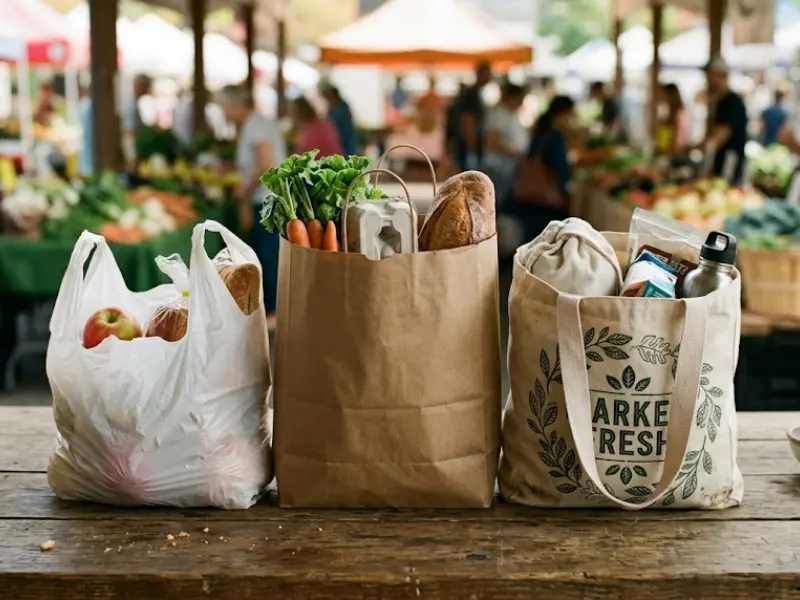
The Right Way to Compare Bags: Lifecycle Thinking
Most bag debates zero in on one factor - decomposition time, raw material, or recyclability - and declare a winner. That approach is too narrow. The method environmental scientists actually use is called a Life Cycle Assessment (LCA): a standardized methodology that tracks a product's environmental impact from raw material extraction through production, use, and final disposal.
When you look at bags through that lens, the picture becomes more complicated - and more honest. The UK Environment Agency published a major LCA on supermarket carrier bags in 2011, and the Danish Environmental Protection Agency commissioned a comprehensive follow-up study in 2018 covering 16 environmental indicators across seven bag materials. Both studies arrive at the same uncomfortable conclusion: no bag wins across every category. The question is always which trade-offs matter most to you - and how often you actually reuse the bag. For a broader comparison of how different bag materials stack up, see this overview of which bag material is truly the most sustainable.
Three stages determine most of a bag's environmental footprint:
- Production - raw materials, water, energy, and emissions during manufacturing
- Use phase - how many times the bag is actually used before disposal
- End of life - whether it's landfilled, composted, recycled, or littered
The use phase is the variable most people overlook. A bag with a high production cost can still be the right environmental choice if you use it long enough. And a "biodegradable" bag that ends up compacted in a landfill without oxygen may not degrade meaningfully at all.
Plastic Bags and the Environment
Plastic bags have become shorthand for environmental carelessness - and for good reason. But the full picture includes some counterintuitive data worth understanding before dismissing them entirely.
A Low Upfront Cost That Compounds Into a Long-Term Problem
Single-use plastic bags are made from polyethylene, derived from petroleum or natural gas. On a per-bag basis, their production requires relatively little energy and water compared to paper or cotton. That's why they became so dominant: they're cheap to make, lightweight to ship, and functional for the consumer. The environmental problem isn't at the factory gate - it's everything that happens after.
Plastic bags don't biodegrade. They photodegrade, breaking into progressively smaller fragments over decades to centuries. Unlike organic materials, plastic never fully returns to nature. Instead, it becomes something else.
The Microplastics Problem
As plastic bags break apart, they produce microplastics - particles smaller than 5 millimeters that spread into soil, waterways, and the food chain. A 2022 study published in Environmental International by Leslie et al. was the first to detect and quantify plastic particle pollution in human blood, finding microplastics in 17 of 22 healthy adults tested. Polyethylene - the material used to make plastic carrier bags - was among the particles detected. A 2024 review in Nature Medicine summarized emerging evidence linking microplastic accumulation in human tissues with cardiovascular disease and other health concerns, while noting that research is still in early stages.
In marine environments, plastic bags entangle sea turtles, seabirds, and marine mammals, or are ingested after being mistaken for jellyfish. A bag that reaches the ocean can cause harm for centuries.
The Recycling Gap
Plastic bags are technically recyclable, but in practice they rarely are. Most curbside programs reject them because they jam sorting machinery. According to the U.S. Environmental Protection Agency, the recycling rate for plastic bags, sacks, and wraps was around 10% in 2018. More recent estimates suggest the overall plastic recycling rate has since fallen further. The practical reality is that most single-use plastic bags end up in landfill, incineration, or the environment.
Is There Ever a Case for Plastic?
Fairly, yes - with caveats. If a plastic bag is reused at least four times before disposal (for example, once as a shopping bag and then as a bin liner), the UK Environment Agency's LCA found its global warming potential drops to a level comparable with other bag types. In regions without composting infrastructure, the end-of-life advantages of paper or compostable bags narrow considerably. The issue is rarely with the material in theory. It's with single-use disposal in practice.
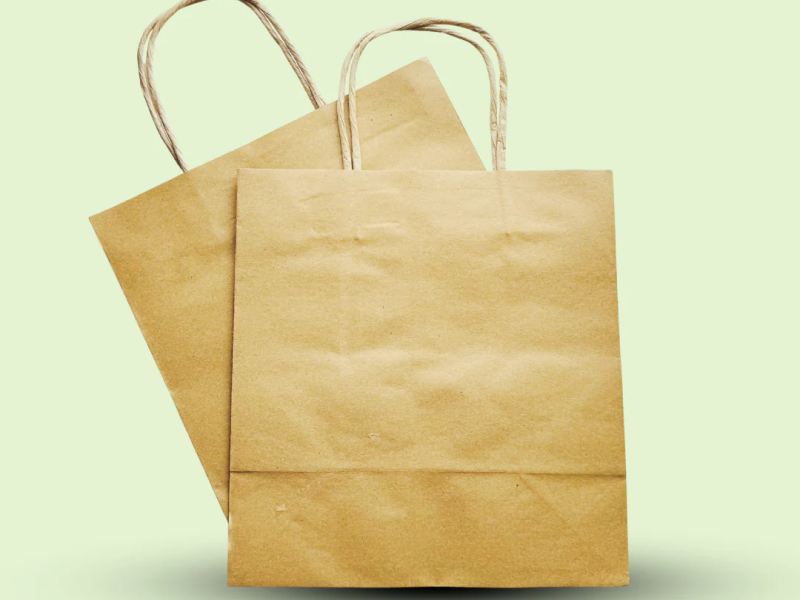
Paper Bags and the Environment
Paper bags feel instinctively greener. They come from trees, they decompose, and they can be recycled. But their manufacturing footprint is heavier than most people realize.
Higher Production Cost, Better End of Life
Paper bags are made from wood pulp, a renewable resource - provided forests are managed responsibly. Manufacturing one, however, requires significantly more energy and water than making an equivalent plastic bag. Paper is heavier, which also increases transport emissions per unit. The UK Environment Agency LCA found that a paper bag needs to be reused at least three times to match the global warming potential of a single-use plastic bag. Used just once and sent to landfill, a paper bag performs worse than a plastic bag on several impact categories.
How Long Do Paper Bags Take to Decompose?
Where paper bags genuinely outperform plastic is at end of life:
- In active composting: 2 to 6 weeks
- In a landfill: 1 to 3 months (slower without oxygen and moisture)
- Plastic bags in landfill: 20 to 500 years, fragmenting into microplastics throughout
That gap matters. A paper bag breaking down in a landfill within months, and releasing no persistent particles, is meaningfully less harmful than a plastic bag that fragments into microplastics over decades.
Watch for Hidden Plastics
Many paper bags include plastic handles, laminated coatings, or wax linings - all of which prevent the bag from being composted or recycled. Before composting or placing in paper recycling, remove any non-paper components. An uncoated paper bag without plastic fixtures is compostable in both home and municipal systems, and accepted in most curbside paper recycling programs.
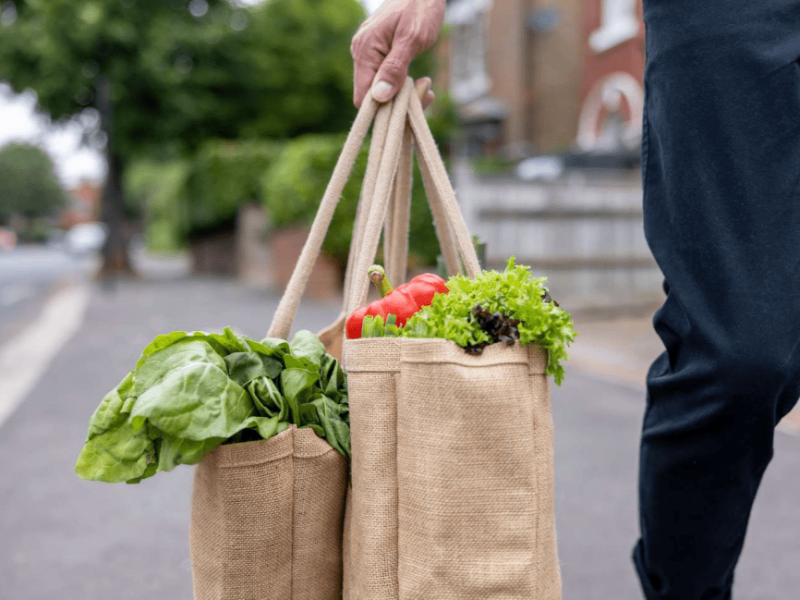
Reusable Bags and the Environment
Reusable bags are the right long-term choice for most people - but only if they're actually used. The "eco" label on a bag doesn't do the environmental work. The number of uses does.
The Production Cost That Often Goes Unmentioned
A cotton tote bag has a much higher environmental footprint at the production stage than either a plastic or paper bag. Cotton is one of the most water-intensive crops grown at scale and has historically relied on significant pesticide use. Processing raw cotton into finished fabric requires substantial energy.
This is why both the UK Environment Agency and the Danish EPA concluded that cotton bags need to be used many more times than most consumers would expect before their lifetime impact becomes competitive with single-use plastic - particularly when the comparison is made across all environmental indicators, not just carbon footprint. For a detailed look at how this comparison plays out, this analysis of cotton bags vs plastic bags across use thresholds is worth reading.
How Many Times Do You Need to Use a Reusable Bag?
This is the question most bag comparisons never actually answer. Based on the Danish EPA's 2018 LCA study and the UK Environment Agency's 2011 LCA, here are the minimum reuse thresholds needed to match or beat the global warming potential of a single-use plastic bag:
| Bag Material | Min. Uses to Break Even (GWP / Carbon Footprint) | Key Caveat |
|---|---|---|
| Paper bag | 3–4 times | Must be recycled or composted, not landfilled |
| Non-woven polypropylene (PP) | ~11 times | Recyclability varies by location |
| Cotton canvas | ~131 times (UK EPA) / ~50–1,400 times across all indicators (Danish EPA) | Range reflects different impact categories measured |
| Organic cotton | ~7,100–20,000 times (Danish EPA, across all indicators) | The extreme upper figure is driven by ozone depletion impact; GWP-only figure is lower |
The organic cotton numbers need context. The Danish EPA's 20,000-use figure reflects the worst-case indicator - ozone depletion - not carbon footprint alone. When measured only on global warming potential, the threshold for organic cotton is considerably lower, and when realistic end-of-life pathways like composting are included, cotton bags perform better still. But the wide range does illustrate a real point: if you're buying an organic cotton tote because it feels more ethical, you need to be genuinely committed to using it for years to justify the production footprint.
The practical upshot: non-woven polypropylene bags reach their break-even threshold after less than two weeks of regular grocery shopping. An rPET or non-woven bag used consistently for a year is clearly ahead of any disposable alternative on most metrics. A cotton canvas tote used twice a week for two years easily surpasses its threshold - if you actually use it.
What Different Reusable Bag Materials Actually Mean
Not all reusable bags are equivalent, and the material choice matters:
Non-woven polypropylene (PP) is the most common reusable shopping bag material - lightweight, inexpensive, and low-carbon to produce. It reaches its break-even point quickly, making it practical for frequent shoppers. It's not biodegradable, but it lasts for years with normal use. For more on how woven and non-woven PP bags compare, including durability and print options, the material differences are worth understanding before you order.
Recycled PET (rPET) is made from post-consumer plastic bottles, meaning it diverts existing plastic waste rather than requiring new petroleum extraction. Its production footprint is lower than virgin PP, and it has similar durability and a comparable break-even threshold. 100% rPET shopping bags are among the more environmentally consistent options currently available, and many brands now use them for promotional and retail bags. If you want to understand what rPET is and how it's manufactured, the process is interesting in itself - it's one of the few cases where choosing a plastic-based product actively reduces plastic waste.
Cotton and canvas are durable, washable, biodegradable, and produce no microplastics. The high production footprint means consistent long-term use is essential. Wash only when necessary and at lower temperatures - over-laundering increases cumulative carbon cost and shortens the bag's life. Cotton shopping bags work best when treated as a long-term investment rather than a disposable substitute.
Jute and hemp are naturally biodegradable, grow with minimal water and pesticide inputs, and compost cleanly at end of life. They're well-suited for heavy loads and have a lower production footprint than cotton. Less common than cotton or PP, but a strong choice where available.
For brands and businesses, the choice of bag material carries reputational and supply chain implications beyond personal use - whether non-woven bags are genuinely eco-friendly depends considerably on sourcing, use rates, and disposal, as this breakdown explains. Similarly, environmental certifications for custom tote bags can help verify supplier claims.
When the Reusable Advantage Disappears
Reusable bags lose their environmental edge when:
- They're used a handful of times before being forgotten or discarded
- You keep accumulating new ones from promotional giveaways without using the ones you already have
- Cotton bags are machine-washed after every single use
- They're made from virgin synthetic materials with no realistic end-of-life plan
The most sustainable reusable bag is the one you already own and use consistently. That's not a platitude - it's a direct implication of the lifecycle data.
Side-by-Side Comparison
| Factor | Single-Use Plastic | Paper | PP / rPET Reusable | Cotton / Canvas |
|---|---|---|---|---|
| Raw material | Petroleum (non-renewable) | Wood pulp (renewable) | Recycled or virgin plastic | Cotton (renewable, water-intensive) |
| Production energy | Low | High | Medium | High |
| Decomposes? | No - fragments into microplastics | Yes - weeks to months | No (PP) / Partially (rPET) | Yes - months |
| Recyclable in practice? | Rarely (~10% in US) | Yes (if uncoated) | Limited by location | Yes (fabric recycling) |
| Microplastic risk | High | None | Medium (synthetic) | None |
| Break-even vs. single-use plastic | N/A | 3–4 uses (if composted/recycled) | ~11 uses | ~131+ uses |
| Best use case | Avoid single use; reuse as bin liner if needed | One-time, composted or recycled after | Regular shopping, promotional use | Daily use, long-term commitment |
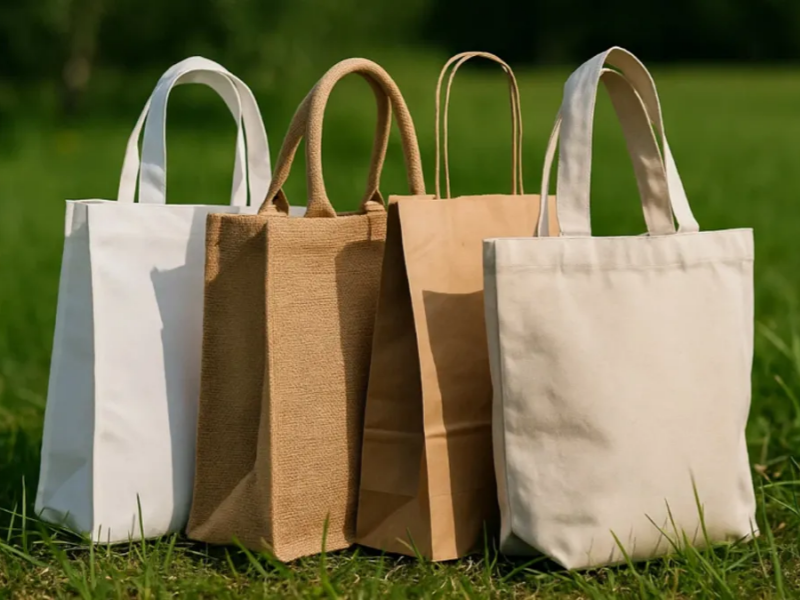
Which Bag Should You Actually Use?
The answer depends on where you are in the decision and what you're likely to do with the bag.
If You Already Have Reusable Bags
Use them. That's it. The environmental investment of producing those bags only pays off through actual use. Don't replace them until they're genuinely worn out. Repair them when possible - a few stitches extend a bag's life significantly. Wash cotton bags only when necessary and at 30–40°C.
If You're Choosing at the Checkout Between Paper and Plastic
Think about what happens to the bag after you get home:
- Choose paper if you have access to composting or paper recycling, and you're not carrying anything wet
- Choose plastic if you'll reuse it at least two or three more times - as a bin liner, for instance - before disposal
- If both options go straight to landfill unused, paper is still the lesser harm: it degrades in months rather than centuries, and doesn't shed microplastics
If You're Buying a Reusable Bag
For everyday grocery shopping, non-woven PP or rPET bags are the most practical choice - low production footprint, break-even in under two weeks of use, and available in high-quality options for retail and promotional use. For a daily bag you'll carry for years, cotton or jute make more sense once the use commitment is in place.
A worn, well-used canvas bag you've had for three years will always outperform a brand-new bag with a sustainability label. As more buyers move away from single-use plastic for good reasons, the shift toward reusable bags is accelerating - but the environmental benefit depends on whether those bags actually get used. More broadly, a direct comparison of single-use plastic bags versus reusable polyester makes the long-term environmental math clear.
Five Myths Worth Correcting
Myth 1: "Paper bags are always better than plastic."
On decomposition and microplastics, paper wins. On carbon footprint at the production stage, plastic bags are lower per unit. Paper is the better default choice at the checkout, but only if composted or recycled - not if landfilled.
Myth 2: "Reusable bags are automatically the greener choice."
Only when used enough times. A cotton bag used five times and discarded has a worse environmental profile than five single-use plastic bags. The label doesn't do the environmental work - consistent use does.
Myth 3: "Biodegradable plastic bags solve the problem."
Many so-called biodegradable plastic bags are oxo-degradable: they fragment into microplastics rather than fully breaking down into organic matter. This is not genuine biodegradation. Truly compostable bags exist but typically require industrial composting facilities, which most consumers can't easily access.
Myth 4: "Recycling takes care of plastic bags."
Plastic bags are technically recyclable but are rejected by most curbside programs because they clog sorting equipment. In the US, only about 10% of plastic bags and wraps are recycled. Most end up in landfill or the environment, regardless of recycling intentions.
Myth 5: "Organic cotton is the most sustainable bag material."
Organic cotton avoids synthetic pesticides and can improve soil health - real advantages. But it remains water-intensive, and the Danish EPA's research shows its high production impact requires very extensive use before the environmental math favors it over plastic, particularly when all 16 environmental indicators are considered. It's a good choice for someone committed to long-term daily use, not a universal green option.
Frequently Asked Questions
Are paper bags better than plastic bags?
In most real-world situations, yes. Paper bags decompose in weeks to months, can be composted or recycled, and produce no microplastics. Their disadvantage is a higher per-bag carbon footprint during production than plastic. The advantage holds when paper bags are properly composted or recycled after use - not when they go directly to landfill.
How many times do I need to use a reusable bag for it to actually be better?
For non-woven polypropylene or rPET bags, around 11 times based on the UK Environment Agency's LCA - that's less than three months of weekly grocery shopping. For a standard cotton canvas bag, around 131 times based on the same study. Use it regularly for a year and you're well past that threshold. The organic cotton figure is higher and depends heavily on which environmental indicator you measure.
Are reusable bags bad for the environment?
Not when used consistently. The concern is that bags with high production footprints - particularly cotton - require many uses before their per-use environmental impact matches that of single-use plastic. If a bag is rarely used, it doesn't justify its production cost. The solution is straightforward: use what you have, repair it when needed, and don't keep buying new ones.
What are microplastics and why do they matter?
Microplastics are plastic fragments under 5 millimeters produced as larger plastic objects photodegrade. They spread through soil, freshwater, and ocean ecosystems, are consumed by marine organisms, and move up the food chain. A 2022 study published in Environmental International was among the first to detect microplastics in human blood. Research into health effects is ongoing, but their persistence in ecosystems and human tissue is reason for serious concern.
What is a "bag for life"?
A "bag for life" is a term used primarily in the UK for a thicker, more durable reusable shopping bag, typically made from low-density polyethylene or polypropylene. Many UK retailers offer to replace them free of charge when they wear out. The concept encourages reuse over single-use purchase - the environmental benefit, as with all reusable bags, depends on how often the bag is actually used before disposal.
What is the most eco-friendly shopping bag overall?
Based on lifecycle research, a non-woven polypropylene or rPET bag used consistently over at least a year is among the most practical eco-friendly choices available. It reaches its carbon footprint break-even within weeks of regular use, it's durable, and it's widely available in recyclable or recycled-material versions. Cotton or jute bags are excellent for long-term daily use once you're committed to them. The greenest option is always the bag you already own and use regularly.
Are paper bags compostable?
Yes - uncoated paper bags without plastic handles or laminates can be composted in home bins or municipal composting systems, typically breaking down within 2 to 6 weeks in active conditions. Remove any non-paper components first. Where composting isn't available, uncoated paper bags are accepted by most curbside paper recycling programs.
The Bottom Line
The greenest bag isn't the one with the most eco-friendly label. It's the one whose full journey - production, use, and disposal - adds up to the lowest total impact. And that depends almost entirely on what you do with it after it's made.
To summarize where the evidence points:
- Plastic bags have a low production footprint but impose serious long-term harm through microplastic contamination, ocean pollution, and centuries-long persistence. Single use is the wrong default. If you're stuck with one, reuse it multiple times before disposal.
- Paper bags are biodegradable and compostable, but energy-intensive to produce. They're a reasonable choice when composted or recycled - significantly less so when landfilled after a single use.
- Reusable bags are the right long-term answer, but only if you actually use them. PP and rPET bags break even after about 11 uses. Cotton bags need roughly 131 or more. Both thresholds are easily reached by anyone who shops regularly with the same bag.
If there's one practical takeaway from all of this research, it's simple: find the reusable bags already in your home, start using them consistently, and keep using them until they genuinely wear out. That single habit - more than any material choice or recycling decision - is where the real environmental benefit lies. For more on eco-friendly habits that actually make a measurable difference, including bag use, the patterns are consistent across the evidence.