Today, this perspective has changed. Regulations, customer expectations, and internal cost analyses are forcing companies to take a closer look at the type of shopping bags they use, the frequency of reordering, and their actual use after leaving the store.
Most discussions compare single-use plastic bags with alternatives such as reusable polyester bags or RPET shopping bags. The problem is that many articles approach this comparison too abstractly. They focus on ideal conditions instead of examining how shopping bags perform in the real world of daily business operations.
This article takes a different approach. It examines single-use plastic bags and reusable polyester bags from the perspective of daily business operations, purchasing decisions, and long-term availability. Our goal is not to prescribe a single solution, but to help businesses find the right product for their specific situation.
Why Businesses Should Reconsider Their Plastic Bag Choices

In the US, regulations regarding plastic bags vary considerably from state to state and city to city. Some regions completely ban thin plastic bags, while others impose fees or mandate minimum thicknesses. For businesses with multiple locations, this leads to regulatory inconsistencies and risks.
At the same time, consumers are becoming increasingly aware of plastic bags. They are no longer invisible; they are ubiquitous in parking lots, offices, buses, and on sidewalks.
Plastic bags reflect a company's considerations regarding convenience, waste reduction, and responsibility – even if this was not the original intention.
For purchasing teams and business owners, the pressure comes more from practical than conceptual considerations. They want to minimize friction, avoid unexpected compliance issues, and control costs. Therefore, many companies are now considering the use of reusable plastic bags instead of single-use bags.
Single-Use Plastic Bags: What advantages do they still offer?
One thing must be clear: single-use plastic bags are not useless. They exist because they efficiently solve certain problems.
Advantages of Single-Use Plastic Bags
Single-use plastic bags offer the following advantages:
- Extremely low unit cost
- Minimal space requirements
- Waterproof
- Fast checkout process
Single-use plastic bags are still suitable for damp items, fresh food, or situations requiring high hygiene. They can also be used as liners when customers use reusable outer packaging.
From a production and supply perspective, the quality of plastic bags is consistently reliable. This reliability prevents many companies from completely abandoning them.
Problems with Single-Use Plastic Bags
When plastic bags are used as standard for all transactions, their disadvantages become apparent.
Firstly, there is regulatory uncertainty. Plastic bags that are acceptable today may be banned tomorrow. Companies that rely exclusively on single-use plastic bags often have to switch their packaging quickly, leading to rushed procurement and fluctuating quality.
Secondly, plastic bags have almost no resale value. Once used, they are rarely reused and are usually disposed of immediately. This short lifespan limits their use after the sale.
Single-use plastic bags also offer no advantages for brand promotion or customer experience. While they can hold goods, they cannot convey any information about the company.
The true significance of reusable polyester bags
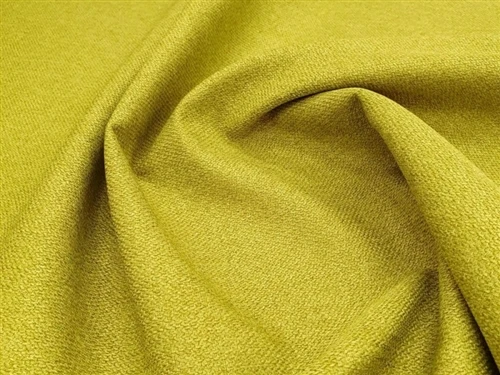
Reusable polyester bags are designed for repeated use and are durable. Polyester fibers – whether woven or non-woven – possess a strength, flexibility, and durability that thin plastics cannot match.
When these bags are made from recycled PET bottles, they are often referred to as rPET shopping bags. From a materials science perspective, the properties of rPET are very similar to those of standard polyester fibers, but recycled materials are used instead of new ones.
Why Polyester Fibers Are So Widely Used
From a manufacturer's point of view, polyester fibers offer several advantages:
- Stable material supply
- Consistent thickness and strength
- Good printability
- Easy folding and storage
These properties facilitate the standardization of polyester bags for large orders, which is important for businesses.
Polyester maintains its weight, keeps its shape, and does not tear easily.
RPET Shopping Bags and Material Recovery
RPET shopping bags reuse existing plastic rather than introducing new material. This does not eliminate plastic from the system, but it extends its usable life.
Claims about carbon reduction vary by production method and transportation distance, so broad environmental benefits should be stated carefully. What can be said with confidence is that RPET supports material reuse rather than disposal.
Cost Considerations Beyond the Unit Price
One of the most common objections to reusable bags is cost. On a per-unit basis, reusable polyester bags cost more than disposable plastic ones.
However, businesses rarely look at total bag cost over time.
Factors That Change the Cost Equation
- Reusable bags reduce total bag volume over time
- Customers bring bags back
- Reorder frequency decreases
- Bag-related complaints decrease
In one multi-store retail project completed in 2023 in the Midwest, a business replaced thin plastic bags with reusable polyester bags for standard purchases while keeping plastic liners for wet items.
Over several months, bag orders dropped because customers reused bags. The business did not save money immediately, but costs stabilized instead of rising with sales volume (operational observations; specific savings not independently verified).
Day-to-Day Operational Performance
Bag choice affects more than purchasing spreadsheets. It affects staff, checkout speed, and customer satisfaction.
Strength and Load Handling
Polyester bags handle heavier loads without stretching or tearing. This reduces double-bagging and product damage. Staff spend less time correcting failures, which improves checkout flow.
Storage and Handling
Reusable bags take more space than flat plastic bags, but well-designed polyester bags stack predictably. Once storage systems are adjusted, handling becomes routine.
Many businesses introduce reusable plastic bags gradually, allowing staff and customers to adapt without disruption.
Hygiene and Cleaning: Addressing Common Concerns
A frequent criticism of reusable bags is hygiene. This concern often appears in online forums and public discussions.
Polyester performs well in this area. It dries quickly, resists odor, and can be machine washed. Clear care instructions make a difference.
Municipal guidance, such as reuse education programs published by cities like Stillwater, Minnesota, emphasizes that reusable bags are safe when cleaned regularly and used appropriately.
Customer Experience and Visibility
A reusable bag does something a disposable bag never does: it stays with the customer.
A well-made RPET shopping bag is used at grocery stores, offices, and public spaces. Each reuse increases brand visibility without additional effort from the business.
That visibility is not guaranteed. Poor-quality bags are discarded quickly. Durable construction and simple design increase the chance that a bag will actually be reused.
When Disposable Plastic Bags Still Make Sense
A practical strategy does not eliminate disposable plastic bags entirely.
They are still appropriate for:
- Raw meat or seafood
- Wet or leaking items
- Medical or sanitary uses
- Inner liners for reusable bags
The goal for many businesses is not total elimination, but smarter use.
Lessons From Real-World Adjustments
In late 2022, a specialty retailer in the Pacific Northwest eliminated plastic bags entirely. Customer feedback quickly showed problems with wet items and returns.
The solution was not to abandon reusable bags, but to reintroduce plastic liners for specific cases. Complaints dropped, and reusable bag adoption continued (project details based on supplier collaboration; satisfaction metrics not independently verified).
This kind of adjustment is common. Flexibility matters.
Choosing the Right Bag Design and Supplier

Not all reusable bags perform the same. Material thickness, stitching, handle attachment, and print quality all matter.
When sourcing reusable polyester bags, businesses should consider:
- Intended load weight
- Frequency of reuse
- Storage space
- Printing needs
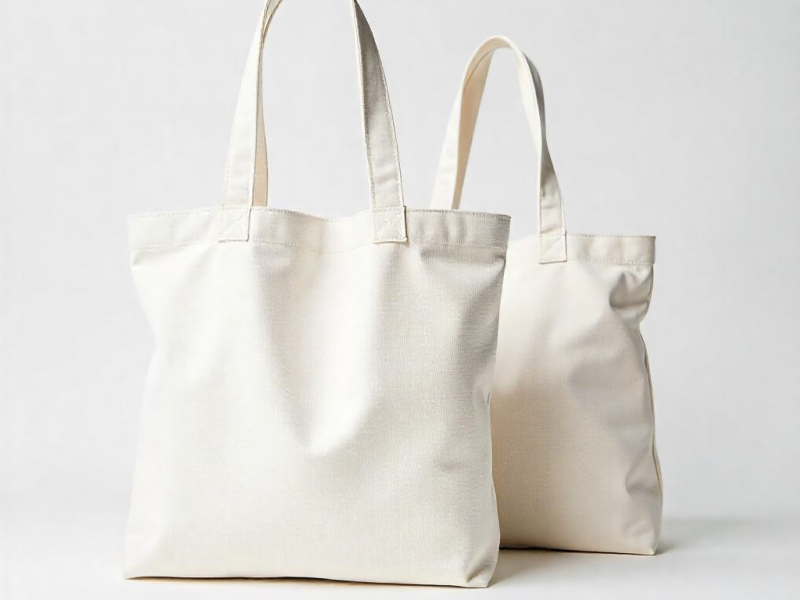
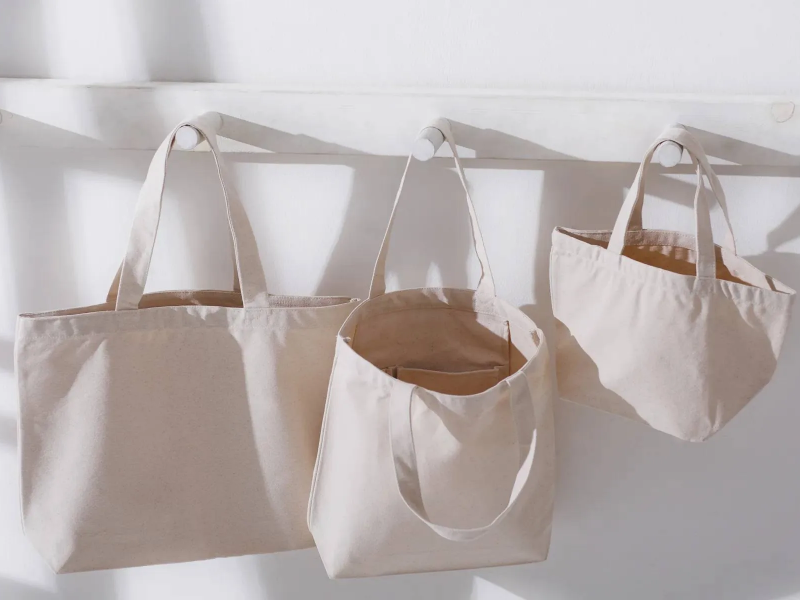
For companies looking for straightforward, durable options without overdesign, custom polyester bags offer practical formats suitable for retail, events, and distribution.
Understanding how a manufacturer works-its production process, quality control, and experience with custom orders-also helps reduce risk. Information like that is often shared on supplier background pages such as PROFIT's company overview.
Where Reusable Polyester Bags Deliver the Most Value
Based on consistent ordering patterns, industries that benefit most include:
- Grocery and food retail
- Apparel and lifestyle brands
- Corporate events and trade shows
- Subscription and fulfillment services
In these contexts, reusable polyester bags serve as packaging, carrying tools, and brand touchpoints at the same time.
Final Thoughts: Practical Choices Work Best
The comparison between disposable plastic bags and reusable alternatives is often framed as a simple replacement. In practice, it is not.
A single use plastic bag still solves specific problems efficiently. Reusable polyester bags and RPET shopping bags provide durability, repeat use, and better long-term value when used correctly.
The businesses that succeed with this transition focus on function first. They match bag types to real use cases, adjust when needed, and avoid one-size-fits-all decisions.
Sustainability works best when it supports how businesses actually operate.
Additional Considerations for the Future
As regulations evolve and materials improve, bag strategies should remain flexible. Periodic reviews of bag usage, customer behavior, and supplier performance help businesses adapt without disruption.