Walk into any trade show, scroll through any promotional products catalog, or browse a wholesale bag supplier's website, and you'll run into a familiar puzzle: one listing says "cotton tote bag," another says "canvas tote bag," and a third says "cotton canvas tote bag." Are these three different products - or the same thing with three different labels?
After years of working with bag manufacturers and sourcing custom orders for brands across different industries, we can tell you: the confusion is real, and it costs buyers money. We've seen companies order 2,000 units of a "cotton tote" expecting something sturdy enough for a book fair, only to receive a flimsy 4 oz bag that can barely hold a water bottle without sagging. We've also seen event planners overspend on 12 oz canvas when a lighter 6 oz option would have done the job perfectly.
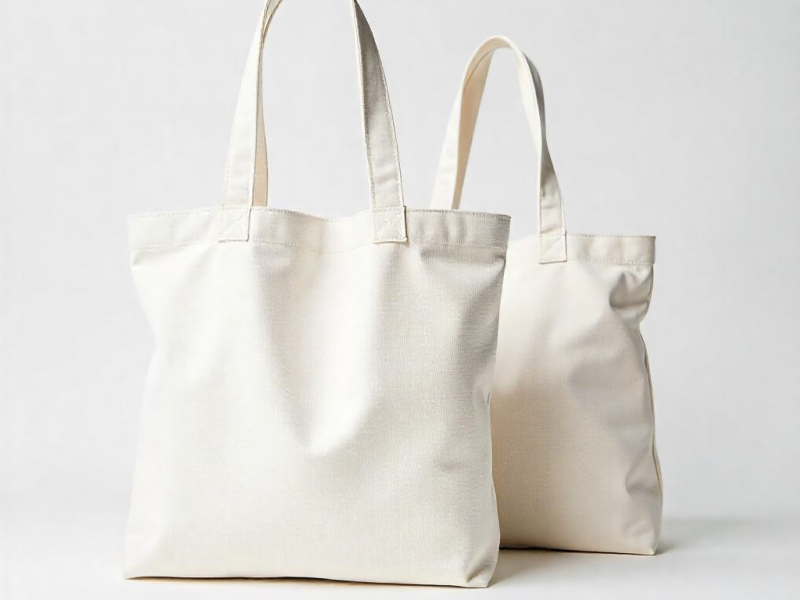
The short version? Cotton is a fiber. Canvas is a weave. Most canvas bags are cotton bags - they're just made from thicker, more tightly woven cotton fabric. So when people compare "cotton vs canvas," they're usually comparing lightweight cotton tote bags (4–6 oz) against heavier cotton canvas tote bags (10–16 oz).
This guide gets into the specifics - actual fabric weights, realistic price ranges, load capacities, and printing performance - so you can make a sourcing decision based on numbers rather than marketing labels.

Why These Two Terms Create So Much Confusion
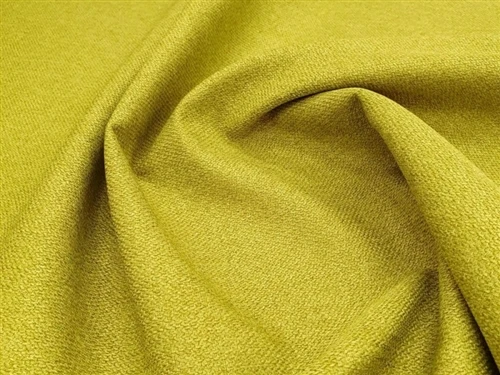
The root of the problem is that "cotton" and "canvas" describe two different things about a fabric. Cotton tells you what fibers the fabric is made from - it's a raw material, a plant-based natural fiber. Canvas tells you how the fabric is woven - specifically, a dense plain weave or twill weave that produces a thick, sturdy textile.
This means a bag can be both cotton and canvas simultaneously. In fact, the vast majority of canvas tote bags on the market are made from 100% cotton fibers woven into a canvas structure. It's the same relationship as "oak" and "hardwood" - all oak is hardwood, but not all hardwood is oak. Similarly, most canvas bags are cotton, but not all cotton bags are canvas.
So where did the confusing product names come from? Largely from marketing. A brand targeting eco-conscious consumers will label its bag "cotton tote" to emphasize the natural, plant-based fiber. A brand selling to corporate buyers will use "canvas tote" to signal durability and premium quality. And a manufacturer trying to appear on both search results will list it as a "cotton canvas tote bag." The bag itself might be identical in all three cases.
For a deeper look at how cotton canvas compares to another popular cotton weave, see our article on cotton canvas vs cotton twill differences.
The Difference: Fabric Weight and Weave Density

Once you stop looking at product names and start looking at fabric weight, the differences become concrete and measurable.
Fabric weight for tote bags is measured in ounces per square yard (oz/yd²) in the US, or grams per square meter (GSM) internationally. The conversion is straightforward: 1 oz/yd² equals roughly 34 GSM. So a 6 oz fabric is approximately 200 GSM, and a 12 oz fabric is around 407 GSM.
Here's how tote bag fabrics typically break down by weight:
| Fabric Weight | GSM Equivalent | Common Label | Feel & Characteristics | Typical Use |
|---|---|---|---|---|
| 3–5 oz | 100–170 GSM | "Cotton tote bag" | Thin, soft, foldable, similar to a t-shirt | Promotional giveaways, event swag bags, light shopping |
| 6–8 oz | 200–270 GSM | "Cotton tote" or "light canvas" | Slightly structured, still foldable | Retail shopping bags, branded merchandise, farmer's market bags |
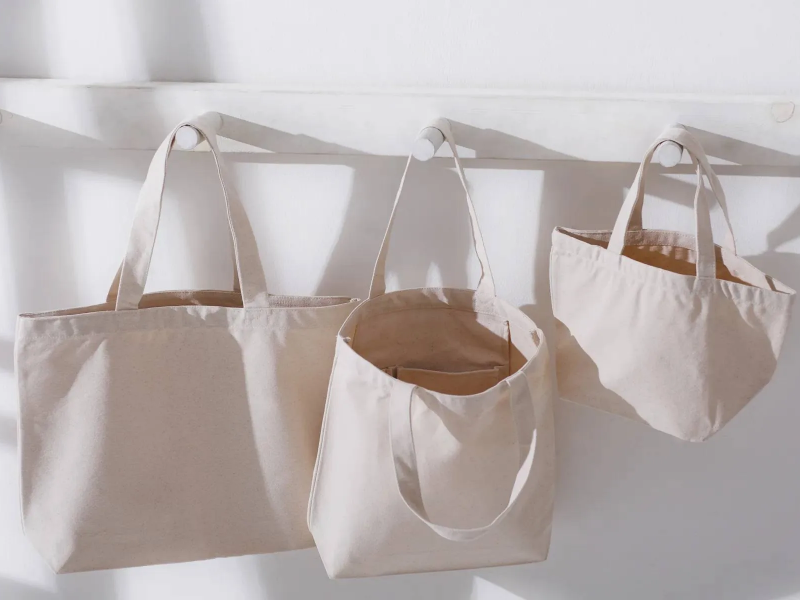
| 10–12 oz | 340–407 GSM | "Canvas tote bag" | Sturdy, holds shape when empty, noticeable heft | Daily commute bags, grocery shopping, school/library use |
| 14–16 oz | 475–540 GSM | "Heavy canvas tote" | Very rigid, almost like a soft briefcase | Tool bags, laptop carriers, premium retail bags |
| 18–24 oz | 610–815 GSM | "Heavy-duty canvas" | Industrial-grade, stiff, very heavy | Outdoor gear, work bags, specialty industrial use |
The takeaway? When someone says "cotton tote," they almost always mean something in the 4–6 oz range. When they say "canvas tote," they typically mean 10–12 oz or above. The fabric in both cases is often 100% cotton - the difference is thickness and weave density, not the raw material.
Durability: How Long Will Each Type Actually Last?

Durability isn't just about fabric weight - it's also about construction quality, stitching reinforcement, and how the bag is used. That said, fabric weight is the single biggest variable.
A lightweight 4–5 oz cotton tote is designed for light duty. It'll comfortably last through a trade show season, handle weekly grocery runs with lighter loads, and serve as an everyday carry-all for items like a wallet, phone, keys, and a light jacket. Under normal use, you can expect 6–12 months of regular use before the handles start showing stress or the fabric thins at the corners.
A 10–12 oz canvas tote is built for daily abuse. These bags routinely last 2–5 years of consistent use. The thicker fabric resists abrasion, and the tighter weave means the fibers don't separate as easily under load. Most failures in canvas totes aren't fabric tears - they're stitching failures at stress points like handle attachments and bottom seams. A bag with reinforced stitching and bar-tacked handles can significantly outperform a heavier bag with weak construction.
If you're buying cotton shopping bags for a one-day event, a 5 oz bag works fine. If you need heavy-duty canvas bags that customers will carry to the beach every weekend for years, invest in 10 oz or above.
Weight Capacity: What Can Each Bag Actually Carry?
This is where the numbers really matter. Most product listings don't tell you how much weight a bag can hold, but fabric weight gives you a reliable proxy.
A standard 5 oz cotton tote (roughly 15" × 16" with no gusset) can comfortably carry about 3–5 kg (7–11 lbs) without risking handle or seam failure. That's enough for a few light grocery items, a couple of paperbacks, or a lunch container and a water bottle.
A 10–12 oz canvas tote of similar dimensions can handle 8–12 kg (18–26 lbs) with ease. That's a full grocery haul, a laptop with charger, or a stack of hardcover books. Some well-constructed 12 oz canvas bags with reinforced bottoms and handles have been tested to support up to 15 kg (33 lbs).
At 16 oz and above, you're looking at bags that can carry 15–20 kg (33–44 lbs) - roughly the weight of a carry-on suitcase. These are overkill for most consumer applications, but they're popular for cotton canvas weekend bags and utility use.
One important note: gussets make a significant difference. A flat tote (no gusset) distributes weight differently than a bag with a 4–6 inch bottom gusset. Gusseted bags not only hold more volume but also distribute load more evenly across the bottom seam, which reduces stress on the handles. If weight capacity matters to you, always check whether the bag has a bottom gusset.
Price: What Should You Actually Expect to Pay?

Pricing for blank (unprinted) wholesale tote bags varies by fabric weight, bag size, order quantity, and supplier location. Here's a realistic breakdown based on current wholesale market pricing for orders of 500+ units:
| Bag Type | Fabric Weight | Approximate Wholesale Price (500+ units) |
|---|---|---|
| Basic cotton tote (flat, no gusset) | 4–5 oz | $0.80 – $1.50 per unit |
| Mid-weight cotton tote (with gusset) | 6–8 oz | $1.50 – $3.00 per unit |
| Standard canvas tote | 10–12 oz | $3.00 – $5.50 per unit |
| Heavy canvas tote (zippered, pocketed) | 14–16 oz | $5.00 – $9.00 per unit |
Custom printing adds another $0.50–$3.00 per unit depending on the method and color count (more on that below). For large-volume promotional orders where cost control is critical, understanding MOQ, lead time, and cost factors can save you from unexpected budget overruns.
The cost-per-use math matters here. A $1.00 cotton tote used 20 times costs $0.05 per use. A $4.00 canvas tote used 300 times costs $0.013 per use. For brands investing in customer loyalty or retail merchandising, the heavier bag often delivers better long-term value - even at 3–4× the upfront cost.
Printing and Customization: Which Fabric Performs Better?

Both cotton and canvas accept printing well, but the results differ depending on the method and the fabric weight. Here's what we've found works best for each:
Screen Printing
Screen printing remains the most popular method for custom tote bags, especially for orders above 200 units. It works well on both lightweight cotton and heavier canvas, producing crisp, vibrant results with solid colors. On lighter cotton (4–6 oz), screen prints look good but the fabric can ripple slightly around heavy ink coverage areas. On 10+ oz canvas, the denser weave provides a smoother surface, resulting in sharper print edges and more consistent ink saturation. Screen-printed designs on canvas are also more durable, typically lasting several years and hundreds of washes without noticeable fading.
Setup costs for screen printing usually run $20–$50 per color, which means it's most cost-effective for simple designs (1–3 colors) at higher volumes. For a detailed comparison of all available methods, check our guide on how to print on tote bags: six printing methods compared.
Heat Transfer (DTF/DTG)
Heat transfer methods - including direct-to-film (DTF) and direct-to-garment (DTG) - are ideal for full-color, photographic designs or small-batch orders where screen printing setup costs don't make sense. Both cotton and canvas handle heat transfer well (cotton and canvas are heat-resistant up to approximately 350°F). The main limitation is durability: heat transfer prints sit on top of the fabric surface and may crack or peel after extended washing, especially on bags that see heavy daily use.
Embroidery
Embroidery produces the most premium look and is extremely durable - the threaded design won't fade, crack, or peel. However, it works significantly better on heavier canvas (10 oz+) than on lightweight cotton. Thin fabric tends to pucker around stitches, creating a wrinkled, unprofessional appearance. Canvas provides the structural stability that embroidery needles need to produce clean results. Embroidery adds roughly 20–50 grams of weight to the bag and costs more per unit ($3–$8 for a standard logo), but for corporate gifts or premium retail bags, the investment pays off in perceived quality.
If you're planning branded bags for a promotional campaign, our article on customizable swag and reusable bag giveaways covers strategy alongside production specs.
Head-to-Head Comparison
| Feature | Lightweight Cotton Tote (4–6 oz) | Canvas Tote (10–12 oz) |
|---|---|---|
| Fiber | 100% cotton | 100% cotton (usually) |
| Weave | Loose plain weave | Dense plain weave or twill |
| Bag Weight (empty) | 80–150 g | 250–450 g |
| Load Capacity | 3–5 kg (7–11 lbs) | 8–12 kg (18–26 lbs) |
| Shape Retention | Slouchy when empty | Holds structure well |
| Lifespan (daily use) | 6–12 months | 2–5 years |
| Wholesale Price (500+ units) | $0.80 – $1.50 | $3.00 – $5.50 |
| Best Printing Method | Screen printing, heat transfer | Screen printing, embroidery |
| Drying Time After Wash | Fast (2–4 hours air dry) | Slow (6–12 hours air dry) |
| Ideal For | Events, giveaways, light shopping | Commuting, groceries, school, daily use |
How to Choose: A Practical Decision Framework?
Rather than giving you a vague "it depends," here's a decision framework based on the three questions that actually matter:
Question 1: What will the bag carry?
If the primary contents are lightweight - pamphlets, snacks, a phone and wallet - a 5–6 oz cotton tote is perfectly adequate. If the bag needs to carry groceries, books, a laptop, or any combination weighing more than 5 kg, go with 10 oz canvas minimum.
Question 2: How long should the bag last?
For single-event use or short-term promotional campaigns (one season or less), lightweight cotton keeps costs low and gets the job done. For bags that represent your brand over months or years - customer loyalty gifts, employee onboarding kits, retail merchandise - canvas delivers a better return on investment through longevity.
Question 3: What's the budget per unit?
If you're working with a budget under $2.00 per bag (common for large-scale giveaways at 1,000+ units), lightweight cotton is your only realistic option. Between $3.00–$6.00, you can afford a well-made 10–12 oz canvas bag that recipients will actually use repeatedly. Above $6.00, you can add features like interior pockets, zippered closures, and premium embroidery.
The Sustainability Question: It's Complicated

Many buyers assume cotton and canvas totes are automatically eco-friendly because they're reusable. The reality is more nuanced than the marketing suggests.
Cotton is a resource-intensive crop. According to a widely cited 2018 life-cycle assessment by the Danish Environmental Protection Agency, a conventional cotton tote bag needs to be reused at least 52 times to offset its climate impact compared to a single-use plastic bag - and up to 7,100 times when accounting for all environmental factors including water use, ozone depletion, and land use. For organic cotton, that number climbs even higher.
A National Geographic overview of bag sustainability research found similar results: a UK study determined cotton bags need at least 131 reuses to break even on climate impact alone compared to standard plastic bags.
Does this mean cotton totes are bad? Not necessarily. It means the environmental benefit depends entirely on how many times you actually use the bag. A canvas tote used daily for three years easily hits 1,000+ uses. A promotional cotton tote that sits in a drawer after one event contributes to the problem rather than solving it.
The most honest sustainability advice is simple: choose the bag you'll use the most, and use it until it falls apart. A heavier canvas bag that lasts five years is almost always a better environmental choice than five lightweight cotton totes that each last one year. For buyers evaluating material sustainability more broadly, our comparison of rPET vs non-woven vs cotton shopping bags provides additional context.
If certifications matter for your brand - such as GOTS for organic cotton or OEKO-TEX for chemical safety - make sure your supplier can provide documentation before you commit to a bulk order.
Care and Maintenance: Keeping Your Bags in Shape
One area where lightweight cotton has a clear advantage: it's easy to wash and dries quickly. Toss it in a standard washing machine on a cold cycle, hang it up, and it's ready to use again in a few hours.
Canvas bags require more care. The thicker fabric absorbs significantly more water and can take 6–12 hours to air dry completely. If the canvas hasn't been pre-shrunk during manufacturing, expect 3–5% shrinkage after the first wash - which can noticeably affect bag dimensions. Always check whether the fabric has been pre-washed or sanforized before placing a bulk order.
Spot cleaning with a damp cloth and mild soap is usually sufficient for canvas bags between full washes. For stubborn stains, a soft brush works well on the denser weave without damaging the fibers. For more detailed guidance, see do canvas bags get dirty easily? and how to protect a cotton bag.
What Should You Pay Attention to When Purchasing Canvas Tote Bags Wholesale?
When purchasing in bulk, accurate canvas tote bag descriptions are crucial for ensuring consistent product quality across large orders. Wholesale buyers and sourcing teams rely on detailed specifications, including fabric weight (typically 10 oz, 12 oz, or 16 oz), weave construction, handle size, stitching reinforcement, and load-bearing capacity, to assess whether canvas tote bags meet their operational needs. Unlike lighter cotton alternatives, canvas integrity offers the and structural integrity required for retail packaging, corporate gifts, and high-frequency reusable shopping items. Standardized canvas tote bag descriptions also streamline sampling and approval processes, reduce order discrepancies, and facilitate more accurate planning of minimum order quantities (MOQs). For businesses sourcing in large quantities, determining these details in advance is the most reliable way to ensure quality control from initial production to subsequent replenishments.
Five Specs to Check Before Placing an Order

Regardless of which type you choose, these five specifications will save you from disappointment:
1. Fabric weight in oz or GSM. Don't accept vague descriptions like "thick" or "premium." Ask for the exact number. A reliable manufacturer will state the weight clearly and specify a tolerance range (e.g., "12 oz ±5%").
2. Bag dimensions and gusset depth. A 15" × 16" flat tote holds far less than a 15" × 16" × 5" gusseted tote. The gusset adds both volume and structural stability.
3. Handle drop length. This determines whether the bag is hand-carry only or fits over the shoulder. A 10" drop works for hand carrying; a 22–25" drop allows comfortable shoulder carry. This detail matters more than most buyers realize.
4. Shrinkage treatment. Ask whether the fabric has been pre-shrunk. If it hasn't, factor in 3–5% shrinkage on the final dimensions after the end user washes the bag.
5. Stitching reinforcement. Check for bar-tacking at handle attachment points and double-stitched bottom seams. These details matter far more for bag longevity than an extra ounce or two of fabric weight.
When Neither Cotton Nor Canvas Is the Right Choice
It's worth mentioning that cotton and canvas aren't the only options. Depending on your needs, other materials might be a better fit:
- Non-woven polypropylene bags are significantly cheaper (often $0.30–$0.80 per unit) and need only about 11 reuses to break even environmentally. They lack the premium feel of cotton or canvas but are perfectly functional for high-volume promotional use. Learn more in our analysis of non-woven bag eco-friendliness.
- Polyester bags offer superior water resistance, vibrant color options, and lighter weight than canvas at similar durability levels. Our polyester shopping bags collection includes options from lightweight drawstring bags to heavy-duty shoppers.
- Jute and hemp blends provide a distinctive natural texture and strong environmental credentials. See our article on cotton, jute, or canvas: which natural fabric is best for bags for a comparison.
The Bottom Line
The difference between a "cotton tote bag" and a "canvas tote bag" isn't about different materials - it's about different weights of the same material. Lightweight cotton totes (4–6 oz) are affordable, foldable, and ideal for promotional use or light daily tasks. Canvas totes (10–12 oz and above) are sturdier, longer-lasting, and better suited for carrying heavier loads on a daily basis.
Choose lightweight cotton if your priority is low cost per unit, easy distribution, and light-duty use. Choose canvas if you need something that will carry 10+ kg regularly, represent your brand for years, and justify a higher upfront investment through longevity.
Either way, the best tote bag is the one that gets used - repeatedly. That's what makes the environmental math work, and it's what turns a promotional item into an actual branding asset.
Ready to compare options for your next order? Browse our full product catalog or send us an inquiry with your specifications - we'll help you find the right fabric weight, size, and printing method for your project.