Do Canvas Bags Get Dirty Easily?
Clients ask us this all the time: "Are canvas bags going to look gross after a few weeks?"
Straight answer-yes, they pick up dirt faster than nylon or polyester. But here's the thing most people don't realize: that's not a design flaw. It's just how cotton works. And honestly, once you understand why it happens, keeping them clean becomes pretty straightforward.

We've been in the custom cotton bag manufacturing business for close to a decade now, shipping to retail chains, event organizers, and promotional product distributors across Europe, the Middle East, and Southeast Asia. Our production floor in Zhejiang runs through a few hundred thousand pieces a month, so we've seen pretty much every issue that can come up. The dirt question pops up in almost every initial conversation. So let's break down what's actually going on.
Why cotton loves grabbing onto everything
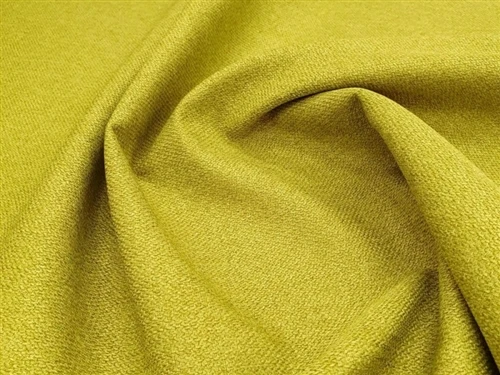
Cotton fiber isn't smooth. If you looked at it under a microscope, you'd see it's kind of twisted and ribbon-shaped, with tiny grooves running along the surface. Dust particles settle into those grooves. Liquids seep in. That's just physics.
Compare that to polyester-synthetic fibers are much smoother, almost slippery at a microscopic level. Dirt doesn't stick as easily, and spills bead up instead of absorbing. The tradeoff? Polyester feels plastic-y, doesn't breathe, and takes centuries to break down in a landfill.
Cotton also absorbs moisture from the air-roughly 7 to 8 percent of its own weight under normal humidity. That absorbed moisture acts like glue for airborne particles. Walk through a dusty parking lot with a canvas tote, and some of that dust is coming home with you.
The spots that get dirty first (you've probably noticed this)
If you've used a canvas tote for more than a couple weeks, you already know where the grime shows up:
Shoulder straps and handles get dark first. That's skin oils and sweat doing their thing. Summer months are worse-we get way more complaints about strap discoloration from clients in warmer regions. One customer in Dubai told us their staff bags looked "five years old" after three months of daily use. Turned out everyone was carrying them by the shoulder strap during the humid season without ever wiping them down.
The bottom is another trouble spot. Most people set their bags down without thinking-on restaurant floors, office carpet, bathroom counters. Every surface transfers something. After a month or two, you'll see a visible line where the bag contacts flat surfaces.
Around zippers and seams tends to trap crumbs and lint. It's annoying but not a quality issue-it's just gravity pushing debris into the lowest points.
The environmental angle worth mentioning
You've probably seen the headlines about canvas bags being "worse for the environment" than plastic. That comes from a widely-cited 2018 study by Denmark's Ministry of Environment and Food. Their research found that an organic cotton tote would need to be reused around 20,000 times to offset its production impact compared to a single-use plastic bag.
That number sounds crazy, but there's context people miss. The study measured total environmental impact-water usage in cotton farming, energy for manufacturing, shipping, everything. What it didn't fully account for was ocean plastic pollution or the fact that plastic bags almost never get recycled properly.
The UK Environment Agency did similar research back in 2011 and came up with different numbers: about 131 uses for a cotton bag to break even on carbon emissions alone.
Point is, the math depends entirely on how you measure "impact." What matters for our purposes: if you're going to invest in reusable cotton bags-whether for your brand, your retail business, or just personal use-you need to actually use them. A lot. And that means keeping them clean enough that you want to keep using them.
Cleaning methods that actually work
Here's what we've learned works, both from our own testing and from feedback we've collected over the years. Nothing fancy-most of this you can do with stuff already in your kitchen.

What about protective treatments?
Some people ask us about fabric protector sprays-the kind you'd use on furniture or outdoor gear. They work, sort of. A good protector will make liquids bead up instead of soaking in immediately, giving you more time to wipe off spills.
The catch: most traditional fabric protectors contain PFAS chemicals, which have their own environmental and health concerns. There are newer non-toxic options out there (Nikwax and a few others make PFAS-free versions), but they need to be reapplied after washing.
For most everyday use, we honestly don't think it's worth the hassle. Just clean your bags regularly and treat stains quickly. That covers 90% of situations.
A few things we tell clients up front
When businesses come to us looking for branded promotional tote bags or retail packaging, we're pretty direct about setting expectations:
Bottom line
Canvas bags get dirty easier than synthetics-that's just the nature of cotton fiber. But "gets dirty" isn't the same as "stays dirty." With basic care and occasional cleaning, a decent canvas bag will last years.
The real question isn't whether they'll get dirty. It's whether you'll actually use them enough to make the environmental impact worthwhile. If the answer is yes, then managing a little dirt is a small price to pay.
Got a project in mind and want to talk through material options? Whether you're looking at OEM production or smaller test runs, we're always happy to walk through the tradeoffs based on your specific use case. Sometimes canvas is the right call. Sometimes it's not. Better to figure that out before production than after.