MOQ Effect in the Bulk Order Bags Production
Here's something that keeps happening. A buyer emails asking for 150 custom printed totes. We send back a quote. They disappear for two weeks, then reply asking why the unit price is "so high compared to Alibaba listings."
The short answer? Those Alibaba prices assume 10,000 pieces. At 150 pieces, you're not buying bags. You're buying someone's headache.

The Fabric Problem Nobody Talks About
Most explainers about MOQ focus on factory efficiency. That's part of it, sure. But the real bottleneck sits one step earlier-at the fabric mill.
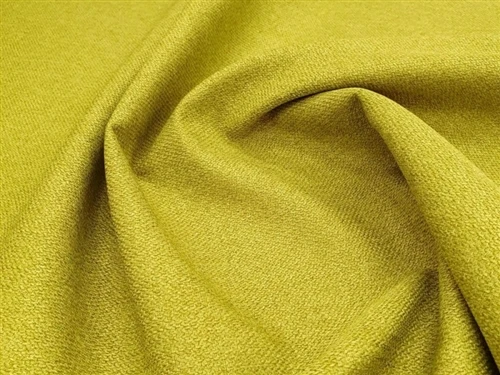
Non-woven PP suppliers don't keep dozens of colors sitting around. They run production batches. Want that specific shade of teal your brand guidelines require? The mill needs to mix dye, flush their lines, run test meters until the color stabilizes, then finally start your actual order. All that setup for 200 meters? They'd lose money. So the minimum lands somewhere between 500-1000 meters depending on the mill and how much they want your business.
Case Study: 2019
We learned this the hard way back in 2019. A French cosmetics brand wanted 300 pouches in a custom coral pink. The fabric alone required buying enough material for 1,200 pouches. We ate the excess inventory for eight months before finally moving it on a different order. Never again.
Cotton canvas has similar issues. Organic certifications make it worse-GOTS-certified mills have even higher minimums because their production runs are smaller to begin with.
Why Your "Simple" Bag Isn't Simple
Buyers often think a basic tote is a basic tote. Technically true. But "basic" still means:
- Cutting dies shaped to your dimensions (not free)
- Screen printing frames burned with your artwork (not free)
- Thread color matching your design (we stock maybe 40 colors, Pantone has thousands)
- Handle length and attachment style (every variation needs different jig settings)
A bulk order tote bags manufacturer spreading these costs across 5,000 units barely notices them. Same costs on 200 units? Now your "simple" tote carries $2-3 extra per piece just in setup allocation.
And here's what really kills small orders: changeover time. Our floor runs multiple products daily. Switching from one bag style to another means stopping machines, swapping parts, adjusting settings, running test pieces. For a 5,000-piece run, that's maybe 2% of total production time. For a 200-piece run, changeover might eat 15-20% of the time we spend on your order. That inefficiency has to go somewhere. It goes into your quote.
The Pricing Tiers Are Real
I've seen buyers get angry about tiered pricing, like we're making up numbers to pressure them into bigger orders. We're not. The cost curves are genuinely different.

At 500 pieces from a custom non-woven bag factory, you're probably paying a 40-50% premium over the 5,000-piece price. That's not greed. That's:
- Fabric bought at retail, not wholesale
- Setup costs divided by fewer units
- Higher per-unit QC burden (we inspect the same percentage regardless of order size)
- Changeover time eating into productivity
At 2,500 pieces, the premium drops to maybe 15-20%. You've crossed into territory where material suppliers start offering breaks and production runs long enough to matter.
At 10,000 pieces, you're approaching the floor. Not much more discount available unless you're ordering containers at a time.
What Actually Works for Smaller Quantities
Some options if you genuinely need lower quantities:
Stock colors only.
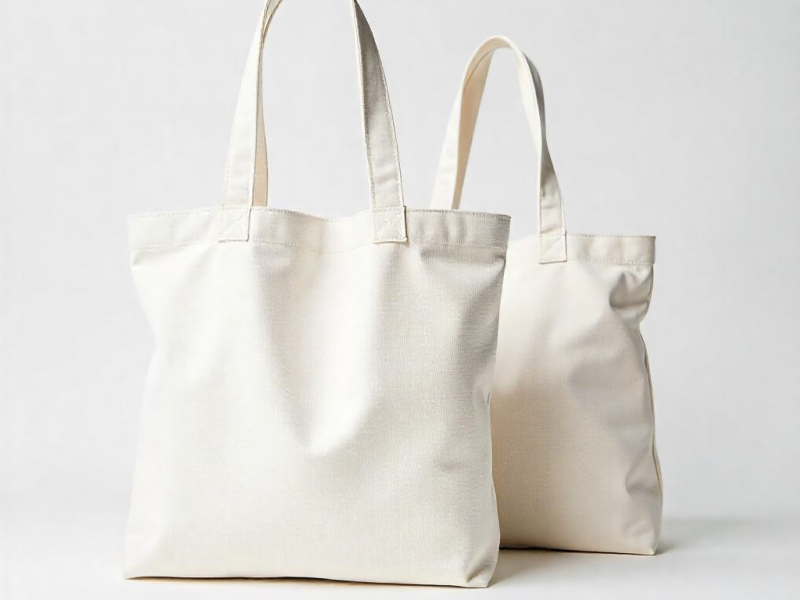
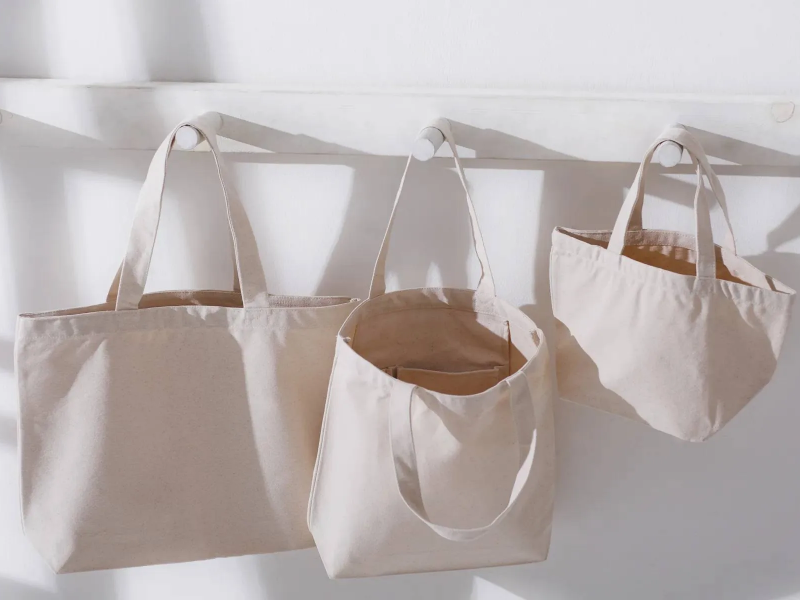
A reusable shopping bag supplier keeping white, black, navy, and natural canvas in inventory can skip the fabric minimum problem entirely. You lose color flexibility but gain ordering flexibility. Most promotional work falls into this category anyway-slap a logo on a neutral base and call it done.
Pay tooling separately.
Instead of burying die costs and plate fees in your unit price, pay them upfront as a one-time charge. Your per-piece price drops, and you own the tooling for reorders. This also lets you see exactly where your money goes. If setup costs total $400 and you're ordering 200 bags, that's $2/unit right there before anyone touches fabric.
Material prepurchase.
Buy the fabric minimum yourself, we store it, you draw down over multiple orders through the year. Works if you have predictable ongoing needs. Doesn't work for one-off promotional runs. The storage isn't free either-factor maybe 3-5% of material value for warehousing if you're parking inventory for more than 90 days.
Consolidate SKUs.
This sounds obvious but people resist it. Four bag styles at 200 each costs meaningfully more than two styles at 400 each. Every additional SKU multiplies changeover. If your marketing team insists on variety, they should understand they're paying for that variety.
Red Flags When Comparing Suppliers
When a wholesale eco-friendly bags OEM quotes dramatically below competitors at low quantities, ask why. Possible explanations:
They're eating margin to win the account
Planning to raise prices on reorders. Common tactic. Get it in writing that pricing holds for 12 months.
They're quoting inferior materials
"Non-woven" covers a huge range from 40gsm tissue-thin stuff to 100gsm that actually holds weight. Same with cotton-4oz canvas versus 10oz canvas might both be called "cotton tote" but they're different products.
They're a trading company
Adding margin on top of actual factory prices, and their "low" quote is still marked up. Ask where the factory is. Ask for production photos. A cotton tote bags China supplier who can't tell you which province their production happens in probably doesn't control their production.
They're not including something
Shipping? Inspection? Packaging? Sample fees? Get a full landed cost breakdown.
Where This Leaves You
MOQ exists because physics and economics exist. Thread still has to go through needles. Dye still has to cure. Operators still need time to switch between products. None of that changes because a buyer wishes it would.
The clients who get the best outcomes from working with factories-ours or anyone's-are the ones who plan ahead. They forecast annual needs, place consolidated orders, build relationships that justify holding inventory on their behalf. They don't ask us to waive MOQ; they structure their requirements so MOQ stops being a constraint.
The clients who struggle are the ones treating manufacturing like retail. Expecting to order 100 pieces today, 75 pieces next month, 200 pieces the month after, all in different colors and sizes, all at the 10,000-piece price they saw online.
That's not how any of this works. If someone tells you otherwise, they're either lying or losing money-and businesses that lose money don't stay around to fulfill your reorder.