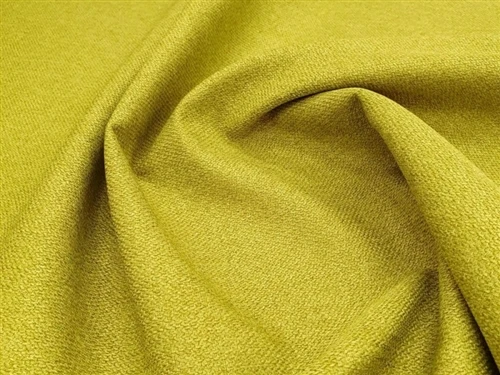
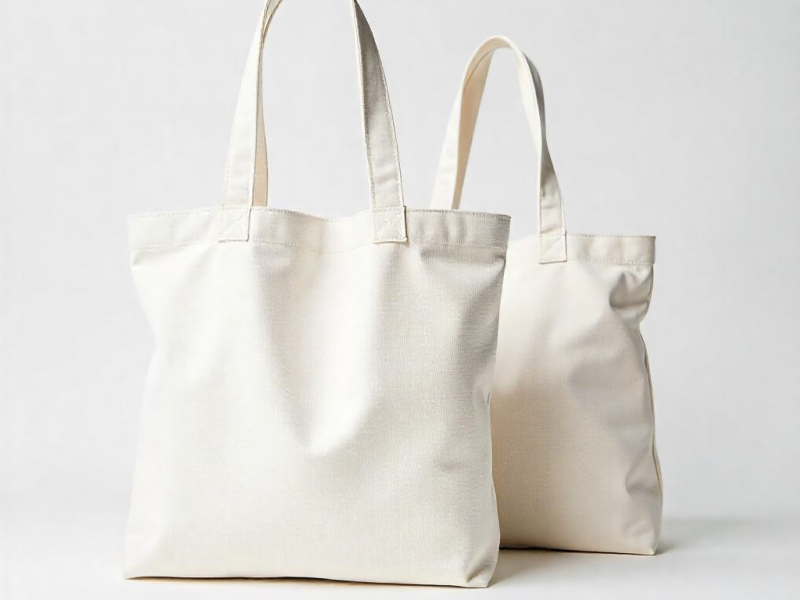
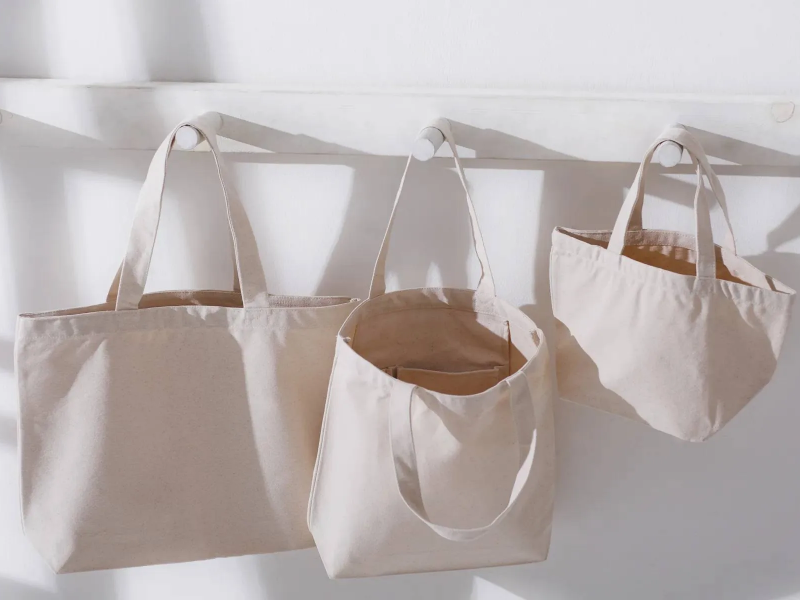
Non woven fabric is a sheet-like material made by bonding fibers together - without weaving or knitting them into yarn first. According to INDA, the Association of the Nonwoven Fabrics Industry, nonwovens are broadly defined as web structures bonded by entangling fibers mechanically, thermally, or chemically. They are flat, porous sheets made directly from separate fibers or from molten plastic, and they do not require converting fibers to yarn.
Depending on the raw material and the bonding method, non woven fabric can be soft, breathable, durable, absorbent, water-resistant, or engineered for filtration and barrier performance. That is why it appears in everything from surgical masks and baby wipes to reusable shopping bags, air filters, insulation, and packaging.
If you want the simplest answer: non woven fabric is chosen when manufacturers need function, efficiency, and flexibility more than the traditional look and structure of woven cloth. It is not one single material - it is a category of engineered fabric that can be tuned for different jobs.
What Is Non Woven Fabric Made Of?

Non woven fabric can be made from synthetic fibers, natural fibers, or blends of both.
Synthetic fibers are the most common input. Polypropylene (PP), polyester (PET), and polyethylene are widely used because they deliver a practical combination of low weight, durability, moisture resistance, and cost efficiency. In bag and packaging applications, polypropylene spunbond is especially prevalent - it holds up well under repeated use, prints cleanly, and keeps production costs predictable at scale. If you are comparing synthetic bag materials in detail, our guide to polyester as a bag material covers how PET non woven performs differently from PP.
Natural and semi-natural fibers such as cotton, rayon, viscose, and wood-pulp-based cellulose are used in some non woven products. These are often chosen when softness, absorbency, or a specific end-of-life profile matters more than raw durability. For a broader look at natural fiber alternatives, see our comparison of cotton, jute, and canvas fabrics.
This is an important point for buyers: when someone says "non woven fabric," they are describing a manufacturing category, not a single fiber type. Two non woven fabrics can behave very differently depending on what they are made from and how they are bonded.

How Is Non Woven Fabric Made?

The manufacturing logic is straightforward. Fibers are first prepared, then laid into a loose web, and finally bonded into a stable sheet. The Nonwovens Institute at North Carolina State University - the world's first accredited academic program for engineered fabrics - frames the entire process around this "web formation + bonding" structure.
Here is how the process works in three stages:
1. Web formation. Fibers are distributed into a sheet-like web. This step determines uniformity, thickness, bulk, and texture. Methods include spunlaying (extruding molten polymer directly into filaments), carding (mechanically combing staple fibers), air-laying, and wet-laying.
2. Bonding. The web is then bonded by one of several methods. Thermal bonding uses heat and pressure to fuse fibers at contact points - this is the dominant method for PP spunbond fabrics used in bags. Mechanical bonding uses barbed needles (needle-punching) or high-pressure water jets (hydroentangling) to physically entangle fibers. Chemical bonding uses adhesive binders or solvents.
3. Finishing. The bonded fabric may receive additional treatments for softness, strength, water resistance, printability, anti-static properties, or UV resistance.
Because manufacturers can adjust the fiber type, web formation method, bonding technique, and finishing treatment independently, non woven fabric is exceptionally versatile. For most promotional and retail bag projects, spunbond polypropylene bonded thermally is the standard choice - it delivers the best balance of strength, print quality, and cost.
Main Types of Non Woven Fabric
Not all non woven fabric is the same. The main types differ by how fibers are formed and bonded, and each is suited to different applications.

Spunbond Non Woven Fabric
Spunbond is the most widely used type for bags and packaging. Continuous filaments are extruded from molten polymer, laid into a web, and thermally bonded. The result is a fabric that is strong, lightweight, tear-resistant, and easy to print on. It is commonly used for non woven shopping bags, agricultural covers, furniture wrapping, and some medical products. For most promotional tote and retail bag projects, spunbond PP in the 70–120 GSM range is the practical standard.
Melt-Blown Non Woven Fabric
Melt-blown fabric uses high-velocity hot air to draw molten polymer into extremely fine microfibers. The resulting web has very small pore sizes, making it excellent for filtration and barrier applications. Melt-blown PP is the critical middle layer in surgical masks and N95 respirators, and it is also used in HVAC and liquid filters. It is rarely used for bags because it is too delicate on its own.
Needle-Punched Non Woven Fabric
Needle-punched fabric is made by mechanically entangling fibers using thousands of barbed needles. It tends to be thicker, tougher, and more dimensionally stable than spunbond. Common uses include geotextiles, automotive interior linings, carpet backing, and industrial filtration. For heavy-duty applications where bulk and durability outweigh cost efficiency, needle-punched nonwovens are a strong fit.
Spunlace (Hydroentangled) Non Woven Fabric
Spunlace fabric is bonded by high-pressure water jets, producing a soft, textile-like feel without chemical binders. It is widely used for wet wipes, cosmetic pads, medical dressings, and hygiene products. Because the process does not use adhesives, spunlace fabrics can be very gentle on skin.
Air-Laid and Specialty Nonwovens
Air-laid nonwovens are often used where high absorbency is required, such as in diaper cores and food packaging pads. Composite nonwovens - like SMS (spunbond-meltblown-spunbond) - combine multiple layers to deliver both strength and filtration in products like surgical gowns and protective coveralls.
Non Woven Fabric vs Woven Fabric: Which Is Better for Bags?

This is one of the most common questions for buyers comparing bag materials. The answer depends on the intended use, budget, and brand positioning. For a detailed material-level breakdown, our article on PP woven vs non woven bags goes deeper into this comparison.
How they are made: Woven fabric is produced by interlacing yarns on a loom. Non woven fabric is produced by bonding fibers into a web - no yarn, no loom.
Surface and feel: Woven fabric typically has a more traditional textile appearance and drape. Non woven fabric tends to have a flatter, simpler surface - though laminated versions can look polished and clean.
Performance focus: Non woven fabric is optimized for function, efficiency, and cost control. Woven fabric is better suited when structure, drape, repeated heavy-duty wear, and a premium textile feel are priorities.
Best for bags when: For promotional tote bags, event giveaway bags, trade show bags, and lightweight reusable grocery bags, non woven PP usually wins on cost and printability. For premium retail bags where a higher-end feel matters - or for bags expected to last years of heavy use - woven fabric, cotton canvas, or cotton tote bags may be a better fit.
Non woven does not automatically mean "better" or "worse." It means "better for some jobs." The right choice depends on matching the material to the use case.
Pros and Cons of Non Woven Fabric
Advantages
Non woven fabric is lightweight and easy to handle, which simplifies shipping and storage. It can be engineered for a wide range of properties - softness, breathability, absorbency, strength, or barrier protection - depending on the fiber and process chosen. It is often cost-effective at scale, making it practical for large-order promotional projects. It works well for reusable bag giveaways, functional packaging, and disposable products. And for bag buyers specifically, non woven PP offers a printable surface that holds logos and graphics cleanly across common methods like screen printing and heat transfer.
Limitations
Non woven fabric does not always have the look or feel of premium woven textiles - for brand experiences that require a high-end hand feel, canvas or cotton may perform better. Some non woven types are designed for short-life or task-specific use rather than long-term fashion applications. Environmental claims can be oversimplified - not all non woven fabrics are equally durable or equally recyclable. And performance varies widely by fiber type, bonding method, and fabric weight (GSM), so specifying the right grade matters.
Common Uses of Non Woven Fabric

Non woven fabric appears across dozens of industries. Here are the most commercially relevant categories:
Medical and hygiene products. Surgical gowns, drapes, masks, wound dressings, baby diapers, adult incontinence products, and feminine hygiene items rely on non woven structures because they can be engineered for barrier protection, softness, absorbency, and disposability.
Filtration and industrial applications. Air filters, liquid filters, HVAC systems, and automotive cabin filters often use melt-blown or needle-punched nonwovens for their controlled pore structures. Geotextiles for road construction and erosion control are another major industrial use.
Packaging, shopping bags, and promotional products. This is one of the most commercially significant categories. Non woven polypropylene is widely used for reusable shopping bags, trade show totes, travel bags, cooler bags, and retail packaging because it is lightweight, printable, and affordable in volume. For buyers exploring how the shift away from single-use plastic is driving demand, see our article on why buyers prefer reusable bags.
How to Choose Non Woven Fabric for Tote Bags
Non woven fabric can be an excellent material for bags - but only when the right grade is matched to the right application. Here is how to approach the selection for promotional and retail tote bag projects.

Intended Use and Load Requirements
A giveaway bag designed to carry brochures at a conference does not need the same structure as a grocery tote carrying canned goods. Define the primary use case first. For lightweight event bags, 70–80 GSM spunbond PP is usually sufficient. For grocery or retail bags expected to carry heavier loads and withstand repeated use, step up to 90–120 GSM for better tear resistance and structural integrity.
Best GSM for Non Woven Tote Bags
GSM (grams per square meter) measures the density of the fabric. For non woven bag applications, the practical range is typically 70 to 120 GSM. Most standard promotional tote bags use 80 GSM polypropylene, which provides a good balance of durability and cost. For sturdier grocery-style bags or bags with a boxy shape, 100–120 GSM adds the rigidity and tear resistance needed for heavier loads. Adding reinforcements like binding, piping, or a bottom board can also improve structure without over-specifying fabric weight.
Printing Compatibility
If branding is a priority - and for most promotional bags it is - choose a fabric and finish that supports your preferred print method cleanly. Screen printing and heat transfer printing both work well on spunbond PP. Laminated non woven surfaces offer even sharper print resolution and a more polished appearance. For a full overview of print options, see our guide to tote bag printing methods.
Moisture and Outdoor Exposure
If the bag may be used outdoors or around moisture - for example, beach bags or grocery bags - consider water resistance. Standard spunbond PP has some inherent water resistance, but laminated non woven fabric provides a stronger moisture barrier and a wipe-clean surface.
User Expectations and Brand Positioning
For promotional giveaways, event totes, and budget-friendly retail bags, non woven PP is usually the practical choice because it delivers function and printability at an attractive cost. But if customers expect a premium, textile-like feel - for example, in a retail shopping experience or a high-end brand - cotton shopping bags or canvas totes may better match those expectations.
Can Non Woven Fabric Be Reused, Washed, or Recycled?
These three questions come up frequently and each deserves a clear answer.
Reuse. Yes. Non woven polypropylene bags are designed for repeated use. A well-made 80–100 GSM spunbond PP tote can handle dozens of uses under normal conditions - carrying groceries, books, or everyday items. Reusability is in fact the primary environmental argument for non woven bags over single-use plastic.
Washing. Non woven bags can be spot-cleaned or gently hand-washed with mild soap in cool water and then air-dried. Machine washing is not recommended because the agitation and heat can weaken the thermal bonds in the fabric and shorten its lifespan. Laminated bags are typically easiest to maintain - a damp cloth is usually all that is needed.
Recycling. Polypropylene is classified as resin code #5 and is technically recyclable. However, real-world recycling depends on whether local facilities accept PP and whether the bag is free of heavy contamination. According to the U.S. Environmental Protection Agency, overall plastics recycling rates remain relatively low, though PP is one of the more widely recyclable polymer types. Unlaminated, mono-material PP bags have the best chance of being accepted by recycling programs.
Is Non Woven Fabric Eco-Friendly?

This question requires a nuanced answer - and the honesty matters more than the marketing.
Non woven polypropylene bags are often positioned as an eco-friendly alternative to single-use plastic bags, and in many scenarios that claim holds up. They are reusable, reducing the total number of bags consumed. They require less energy and water to produce than cotton tote bags. And polypropylene is technically recyclable where PP collection streams exist.
However, there are important limitations buyers should understand. As the EPA notes, most petroleum-based plastics - including PP - are not readily biodegradable. A polypropylene bag that ends up in a landfill will not decompose the way an organic material would. Recyclable does not mean biodegradable, and those two terms should never be used interchangeably.
The most accurate way to evaluate non woven fabric's environmental performance is to consider the full picture: how many times will the bag actually be reused? Is there a realistic end-of-life recycling pathway in the user's region? And is the production mono-material (which makes recycling easier) or mixed-material (which complicates it)?
For a deeper exploration of environmental claims across bag materials, our article on whether non woven bags are really eco-friendly and our guide to which bag material is truly the most sustainable cover this in more detail. If certifications matter for your purchasing decisions, review our overview of environmental certifications for custom tote bags.
Common Mistakes When Evaluating Non Woven Fabric
A lot of confusion around this topic comes from oversimplification. Here are the mistakes we see most often when buyers or content teams evaluate non woven materials:
Treating all non woven fabric as the same. A soft spunlace wipe material and a 100 GSM spunbond PP shopping bag material are both "non woven," but they are not interchangeable. Always specify the type and grade.
Assuming non woven always means disposable. Some non woven products are designed for single use - surgical gowns, for example. Others, like reusable shopping bags, are specifically engineered for dozens or even hundreds of uses.
Confusing recyclable with biodegradable. Polypropylene is recyclable (resin code #5) but not biodegradable in any meaningful timeframe. These are different claims with different environmental implications, and mixing them up undermines credibility with informed buyers.
Choosing based only on price. Price matters in bulk bag purchasing, but so do fabric weight, printability, load capacity, handle construction, and the end user's perception of quality. A bag that tears or looks cheap can do more harm to your brand than the cost savings justify. For a realistic look at where costs come from, see our guide on the hidden cost behind cheap bags.
Ignoring the end use. The best material depends on what the product needs to do. A non woven duffel bag has different performance requirements than a flat promotional tote. Match the material to the job.
Non Woven Fabric vs Cotton vs Polyester for Bags: A Quick Comparison
For buyers deciding between the most common bag materials, here is a practical overview. Our full side-by-side analysis in rPET vs non woven vs cotton shopping bags goes into more depth.
Non woven PP is the most cost-effective option for large-volume promotional orders. It prints well, ships light, and offers sufficient durability for everyday reuse. Best for: trade show bags, event giveaways, grocery totes, short-run retail packaging.
Cotton and canvas deliver a premium, textile feel and strong brand perception. They are more durable for long-term daily use but cost more per unit and are heavier to ship. Best for: retail brands, premium giveaways, fashion-forward positioning. Explore options in our cotton shopping bag collection.
Polyester and rPET offer durability, vibrant all-over print capability, and a recycled-content story when made from post-consumer bottles. Best for: outdoor events, bags requiring detailed full-color graphics, sustainability-forward brands. Learn more about what rPET is and how it is made.
FAQ
Q: Is non woven fabric plastic?
A: Often, yes. Most non woven fabrics used in bag manufacturing are made from polypropylene, a thermoplastic polymer derived from petroleum. However, some non woven products use natural fibers like cotton or cellulose, so "non woven" does not automatically mean "plastic."
Q: Does non woven fabric tear easily?
A: That depends on the type and weight. Lightweight spunbond PP at 40–50 GSM can tear under stress, but the 80–120 GSM grades commonly used for tote bags are significantly more tear-resistant. Reinforced seams, binding, and proper handle attachment also improve durability.
Q: Is non woven fabric waterproof?
A: Not fully waterproof, but polypropylene spunbond has natural water resistance because PP does not absorb water. For stronger moisture protection, laminated non woven fabric provides a better barrier. It is not a substitute for truly waterproof materials in demanding conditions.
Q: Can non woven fabric be printed with logos?
A: Yes, and it is one of the material's key advantages for promotional use. Screen printing, heat transfer, and even full-color sublimation (on laminated surfaces) all work well on non woven PP. For details, see our guide to printing methods for tote bags.
Q: What is the difference between spunbond and melt-blown non woven fabric?
A: Spunbond fabric is made from continuous filaments and is relatively strong and durable - it is the standard for bags and packaging. Melt-blown fabric is made from very fine microfibers and is designed for filtration and barrier applications - it is the critical layer in surgical masks and respirators. They serve different purposes and are sometimes combined in composite structures like SMS.
Q: Is non woven polypropylene safe for reusable shopping bags?
A: Yes. Polypropylene is widely considered food-safe and is used in food containers, medical products, and reusable bags. It does not leach harmful chemicals under normal use conditions. Regular cleaning helps maintain hygiene.
Q: What GSM is best for non woven tote bags?
A: For lightweight promotional totes, 70–80 GSM is common. For grocery or retail bags that need to carry heavier loads, 90–120 GSM provides better structure and durability. The right choice depends on the intended use and load requirements of the bag.
Q: Is non woven fabric better than cotton for promotional bags?
A: For large-volume promotional projects where cost, printability, and shipping weight are priorities, non woven PP is usually the more practical choice. For premium brand positioning and long-term daily use, cotton or canvas bags offer a better hand feel and stronger perceived value. Neither material is universally "better" - the right answer depends on your project goals and budget.
Q: Is non woven fabric breathable?
A: Spunbond non woven fabric is naturally porous and allows air to pass through, making it breathable. This is why it is used in agricultural crop covers, hygiene products, and protective clothing. Laminated versions sacrifice some breathability for water resistance.
Q: When should I choose woven fabric instead of non woven fabric?
A: Choose woven fabric when you need maximum durability for years of heavy use, a premium textile appearance and drape, or suitability for apparel and fashion applications. For functional, cost-effective bags in promotional and retail contexts, non woven is often the smarter choice. See our comparison of PP woven vs non woven bags for a full breakdown.
Final Takeaway
Non woven fabric is best understood as an engineered fabric category rather than a single material. It is made by bonding fibers without weaving or knitting, and that gives manufacturers the flexibility to create products for filtration, hygiene, packaging, medical use, bags, and many other applications. Industry bodies like INDA and research institutions like The Nonwovens Institute consistently define nonwovens through this web-and-bonding structure and highlight their broad range of end uses.
If you are evaluating bag materials for a promotional, retail, or event project, the next step is to match the fabric type, GSM, and finish to your specific use case - considering load requirements, print needs, budget, and brand positioning. Browse our full range of bag products or contact our team for material recommendations tailored to your project.