Researchers estimate that textiles produce roughly 35% of primary microplastic pollution in marine environments globally. That makes the washing machine one of the more consequential household appliances from an environmental standpoint - but also one where individual action produces measurable results.
This guide covers what causes microfiber shedding, which solutions the research supports, how the main products compare side by side, and how to match an approach to your actual living situation.

What Are Microfibers and Why Does Laundry Release Them?
Synthetic fabrics - polyester, acrylic, nylon, spandex - are made from petroleum-based filaments spun into yarn. During a wash cycle, agitation, heat, and detergent break loose fine fragments from that yarn structure. Those fragments drain out with the wash water, too small to be caught by standard plumbing or most treatment systems.
Not all synthetics shed equally. The fabric's construction matters at least as much as its fiber content.
| Fabric | Shedding Risk | Notes |
|---|---|---|
| Acrylic knit | High | Releases more fibers per wash than most synthetics in comparative testing |
| Polyester fleece | High | Loose, brushed construction exposes many fiber ends per square centimeter |
| Recycled polyester (rPET) | Medium to high | Shorter fibers from the recycling process may increase breakage during washing |
| Woven polyester (shell, windbreaker) | Low | Tight construction limits exposed fiber ends significantly |
| Cotton, wool, linen | Low (synthetic fiber) | Natural fibers biodegrade; chemical finishes and dyes are a separate concern |
Why Wastewater Treatment Is Not a Complete Solution
Advanced treatment facilities can remove a high proportion of microfibers from the water they process. The limitation is scale. Even a small percentage slipping through represents millions of particles discharged into waterways each day, given the volume of water processed. Once fibers leave your machine, municipal treatment is the only barrier before open water - and it is an imperfect one at the volume required.

Environmental and Health Impacts
What Happens in Marine Environments
Microfibers are now found in virtually every marine environment sampled - from deep-sea sediment to Arctic ice cores. Filter feeders like mussels and oysters ingest them directly. Fish accumulate them further up the food chain. Beyond the physical effects - blocked digestive tracts and suppressed appetite - synthetic fibers attract and concentrate pollutants already present in the water, including heavy metals, pesticides, and flame retardants, and can release those compounds into animal tissue after ingestion.
Microfibers in the Human Body
Research has now detected microplastic particles in human blood (Leslie et al., 2022, Environment International), lung tissue, and placenta (Ragusa et al., 2021, Environment International). The long-term health implications are still under active investigation, and responsible scientists are careful not to overstate the current evidence. What is established is that the exposure pathway exists. Reducing the volume of fibers entering wastewater from household laundry is a reasonable precaution regardless of where the health science ultimately lands.
Six Laundry Habits That Cut Shedding at Zero Cost
Before buying any equipment, consider that behavioral changes alone can produce significant reductions. These steps are free and take effect immediately.
- Wash synthetic garments only when necessary. Shedding only happens during washing. If a garment is not visibly dirty or odorous, hang it to air out between wears. Fleece, athletic wear, and synthetic base layers benefit most from this approach.
- Use cold water on a gentle, shorter cycle. Heat weakens the bonds within synthetic yarn, increasing fiber breakage. Research from Ocean Wise's Plastics Lab, cited in Patagonia's microfiber research update, found that cold water combined with a gentle cycle substantially reduces fiber release compared to warm, standard settings. It also lowers energy use per load.
- Run full loads. A drum that is roughly three-quarters full limits how freely garments tumble and collide against each other. Less friction means fewer fibers broken loose - and fewer cycles run per week overall.
- Choose a front-loading machine if you have the option. Research from UC Santa Barbara found that top-loading machines with a central agitator produce significantly more microfibers per cycle than front-loaders. The central post creates more mechanical friction as clothes wrap around it during the wash.
- Air dry rather than tumble dry. Dryers release fibers through their exhaust vents into both indoor and outdoor air. Cleaning the lint trap before every cycle captures some of those fibers, but air drying removes this pathway entirely. It also extends garment life.
- Use the recommended detergent dose, not more. Excess detergent can degrade yarn structure during washing, increasing fiber breakage. In soft-water areas especially, the standard dose is typically sufficient.

Filtration Devices: What the Research Shows
Dedicated filtration devices provide an additional layer of protection on top of better laundry habits. The three main categories work differently and perform differently - knowing the distinction matters before spending money.
A practical note on effectiveness figures: the same product can show quite different results across studies, because testing methodology, fabric type, machine model, and water temperature all affect outcomes. Where studies conflict, both ends of the range are worth knowing.
External Washing Machine Filters: Highest Effectiveness, Requires Installation
External filters attach to the washing machine's drain hose and intercept fibers before water enters the municipal wastewater system. Of all consumer-available options, these consistently show the strongest results - but they require a semi-permanent installation and are not feasible for most renters.
A comparative study by Napper et al. (2020, Science of the Total Environment) found external filters outperforming in-drum devices across a range of conditions. The Lint LUV-R showed 29% to 87% reduction depending on testing protocol; the Filtrol has reported around 89% in independent testing; PlanetCare's subscription-cartridge model reports similar figures. Prices run from approximately $130 to $200 upfront, with maintenance requirements ranging from every two to three loads to every eight to ten depending on the model.
Laundry Bags: Portable and Renter-Friendly
Polyester mesh laundry bags designed for microfiber capture - the Guppyfriend being the most widely available - work by enclosing synthetic garments during the wash. Unlike woven mesh, these bags are made from monofilament: a single continuous filament that does not shed itself. After washing, fibers collect in the seams and corners; you remove them by hand and discard as solid waste.
The same 2020 University of Plymouth study found the Guppyfriend reduced microfiber release by approximately 54%. The manufacturer's own figures range from 79% to 86%, reflecting different test conditions. For households with larger volumes of synthetic laundry, choosing an appropriately sized bag - or using two standard ones for a heavy load - is preferable to overstuffing a single bag, which restricts water flow and compromises both cleaning and fiber capture.
One mistake to avoid: After each wash, do not rinse the bag into the sink. Rinsing sends the captured fibers directly back into the water system. Remove them dry, by hand, and discard them as household solid waste.
Laundry Balls: Easiest to Use, Lowest and Most Variable Results
If you regularly wash delicates - lace, loose-knit sweaters, items with straps or ties - skip the laundry ball entirely. Products like the Cora Ball use flexible stalks to snag loose fibers in the drum, and those same stalks can catch on fine fabric and cause damage. For robust synthetic loads like athletic wear and fleece, damage risk is minimal.
On effectiveness, results vary considerably. Napper et al. (2020) found approximately 31% fiber reduction. An earlier study by McIlwraith et al. (2019, Marine Pollution Bulletin) found considerably lower performance under a different testing protocol. The laundry ball is the simplest option to use - drop it into any load, nothing else required - but it consistently shows the lowest and least predictable results of the three device categories.
Side-by-Side Comparison
| Solution | Effectiveness Range | Approx. Cost | Installation Required | Renter-Friendly |
|---|---|---|---|---|
| External filter (e.g., Filtrol, Lint LUV-R) | 29–89% | $130–$200 | Yes | No |
| Polyester mesh laundry bag (e.g., Guppyfriend) | 54–86% | ~$35 | No | Yes |
| Laundry ball (e.g., Cora Ball) | 5–31% | ~$38 | No | Yes |
| Cold water + gentle cycle (habit change only) | ~70% (one study) | $0 | No | Yes |

Which Solution Fits Your Situation
Renters and Apartment Dwellers
Without access to your building's plumbing, external filters are off the table. The most practical combination: wash synthetic garments less often, always run cold water on a gentle cycle, and use a zipper mesh laundry bag for synthetic loads. Some renters also keep a separate cotton laundry bag for non-synthetic items - a simple way to sort laundry and keep synthetic garments clearly flagged for the mesh bag treatment without adding more synthetic material to your routine.
Homeowners Ready to Install
An external filter attached to the drain hose offers the highest available effectiveness of any consumer option. Pair it with cold-water washing and reduced washing frequency for the strongest combined result. A mesh laundry bag adds a further layer when washing high-shedding items like fleece or acrylic.
Laundromat Users and Budget-Conscious Readers
A portable mesh laundry bag is your primary tool - it works in any front-loading machine and goes wherever you do. Since laundromat machines tend to be high-capacity and higher-agitation than residential units, the bag matters more here, not less. If budget is the primary constraint, the behavioral habits described above - wash less, use cold water, run full loads - cost nothing and still produce meaningful reductions.
The Clothes You Buy Matter Too
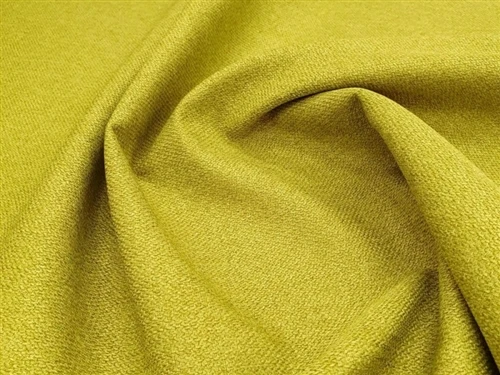
Filtration and laundry habits address the garments you already own. What you buy next is a separate lever. Tightly woven synthetics - shell jackets, nylon windbreakers - shed far less than fleece or acrylic knits because their construction limits exposed fiber ends. Understanding how polyester fabric weight and weave structure affect fiber behavior can help you make more informed decisions when shopping for new garments or bags made from synthetic materials.
For items that need frequent washing, natural fiber alternatives - organic cotton, merino wool, linen - offer a lower synthetic-microfiber footprint. Their fibers biodegrade, though the dyes and chemical finishes applied during manufacturing remain a separate environmental concern. For a fuller look at how different materials compare across sustainability metrics, the tradeoffs are more nuanced than a simple synthetic-versus-natural divide. If you are weighing cotton versus synthetic options more broadly, the environmental calculus depends heavily on how often the item is used and washed over its lifetime.
Secondhand synthetic garments are also worth considering. Most shedding occurs in a garment's first several washes, as the loosest surface fibers release. Buying secondhand means inheriting a fabric that has likely already passed its peak-shedding phase.
Where Regulation Is Heading
France became the first country to require microfiber filters in all new washing machines sold domestically, with the law taking effect in 2025. Similar legislation has been introduced in the United Kingdom and discussed in several U.S. states. According to the National Environmental Education Foundation, major appliance manufacturers are responding: Samsung has developed reduced-microfiber wash cycles on select models, and European brands are beginning to integrate filtration into machine design.
None of this changes anything for the garments already in your closet. But it reflects a broader direction of travel. The shift away from high-impact, single-use materials is accelerating across product categories, and individual laundry choices are one practical part of that larger picture.
Frequently Asked Questions
Do mesh laundry bags like the Guppyfriend actually work?
Yes, within realistic limits. An independent study (Napper et al., 2020) found approximately 54% reduction in microfiber release. That is meaningful, but not complete capture. Effectiveness depends on not overfilling the bag and allowing adequate water circulation during the cycle. For renters and budget-conscious buyers, it remains the most accessible option available.
Is a laundry ball better than a mesh bag?
In most cases, no. Research consistently shows mesh bags outperforming laundry balls. The Cora Ball's effectiveness range of 5% to 31% across studies is both lower and more variable than what mesh bags show. The ball is easier to use - drop it in with any load - but it is not safe for delicate fabrics and performs well below a mesh bag in comparative testing.
Does washing in cold water really reduce microfiber shedding?
Yes. Heat weakens the bonds within synthetic yarn, increasing the number of fibers that snap free during agitation. Cold water on a gentle cycle is one of the highest-impact free changes available. It also reduces energy consumption and extends garment life - making it one of the few habits that improves multiple outcomes at once.
Do natural fibers like cotton also release microfibers?
All fabrics shed during washing. Natural fibers biodegrade, which changes the environmental equation significantly compared to synthetic ones. The more nuanced concern with natural fabrics involves the dyes, anti-wrinkle agents, and other chemical finishes applied during manufacturing, which can wash into waterways alongside the fiber fragments. The gap between synthetic and natural is real - synthetic microfibers are the more persistent problem - but neither is entirely without impact.
Where do I put the fibers collected from a laundry bag or filter?
In the household trash - not rinsed into the sink and not placed in recycling. Rinsing your bag or filter into a drain sends the captured fibers directly back into the wastewater system, defeating the purpose of using one in the first place. Remove the fibers dry, by hand, and dispose of them as non-recyclable solid waste.
Three Steps to Start Today
- Wash synthetic garments only when genuinely necessary - hang them to air out between wears instead of defaulting to a machine cycle every time.
- Set your machine to cold water and gentle cycle, and make sure the drum is close to full before starting the wash.
- Add a mesh laundry bag for synthetic loads - or, if you own your machine, look into an external drain-hose filter for the highest available reduction rate.
No single solution eliminates the problem entirely. But these three steps, consistently applied, meaningfully reduce the volume of microfibers your household sends into the water system - without significant cost or disruption. For readers interested in the broader range of practical eco-friendly habits that produce real results, microfiber management is one of the more evidence-backed places to start.