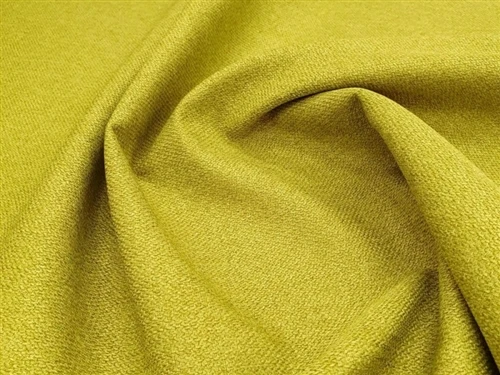
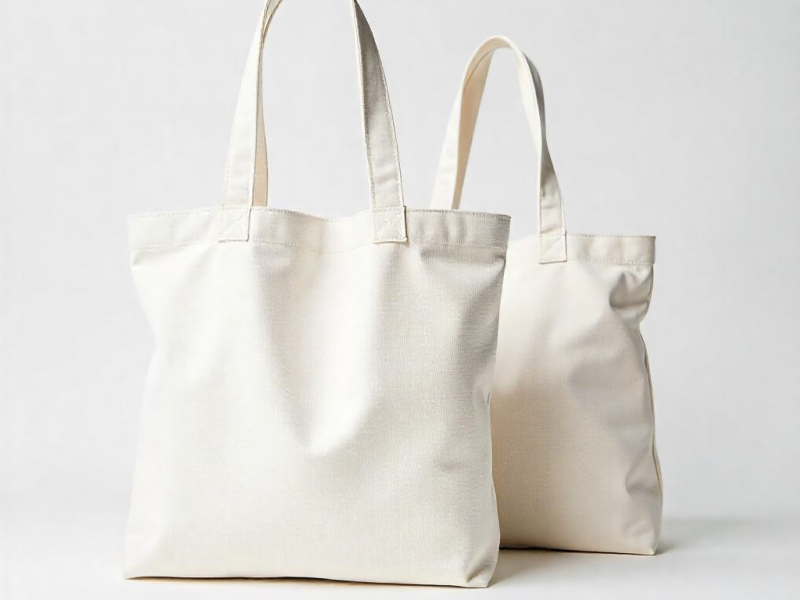
This guide focuses specifically on laundry bags, not apparel or general tote bags. That distinction matters because bags that go through the machine wash themselves face a different set of material demands: durability under repeated wet cycles, drying speed, and the risk of releasing fibers into wastewater with every wash. For a broader comparison of how these materials stack up across other bag types, our guide to which bag material is truly the most sustainable covers the full picture.
Quick Answer: Recycled polyester (rPET) laundry bags dry faster, handle repeated machine washing better, and cost less at scale - the practical choice for travel and commercial use. Organic cotton laundry bags are breathable and biodegradable, a better fit for home use where drying conditions are reliable and breathability matters. For either material, third-party certification is what separates a genuine eco claim from a label: GRS for recycled polyester, GOTS for organic cotton.

What Actually Makes a Laundry Bag "Eco-Friendly"?
The term shows up on a lot of bags without any definition. Before comparing materials, it helps to agree on what's being measured - because recycled polyester and cotton each score well on some criteria and poorly on others, and no single dimension tells the whole story.
A meaningful sustainability evaluation looks at four things: where the raw material comes from, how much energy and water the production process requires, how long the finished product holds up in use, and what happens to it at the end of its life. A bag that biodegrades in landfill but falls apart after a dozen washes isn't necessarily more sustainable than one that lasts several years but can't be composted. Durability is part of the environmental equation, not separate from it.
Laundry bags also create a challenge that clothing or shopping bags don't: they go through the wash themselves, repeatedly, and every cycle releases small fibers directly into wastewater. Which material those fibers come from - and how many of them shed - affects how that release impacts the environment. Both factors will shape the comparison below.
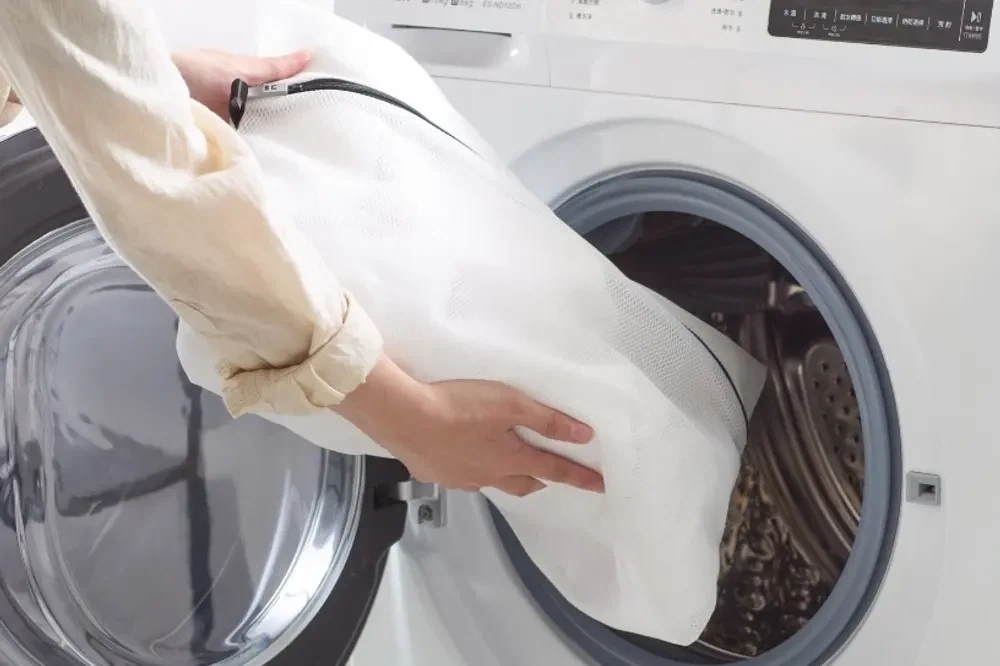
Recycled Polyester (rPET) Laundry Bags
How rPET Is Made - and Why It Matters for Sustainability Claims
Recycled polyester, most commonly labeled rPET, starts as post-consumer plastic - typically bottles. That plastic is collected, cleaned, shredded into flakes, melted into pellets, and extruded into continuous synthetic filaments. Those filaments are then knitted or woven into fabric. For a step-by-step breakdown of the process and what to look for in rPET sourcing, see our guide on what rPET is and how it's made.
The environmental argument is straightforward: rPET diverts plastic waste from landfill and reduces demand for virgin petroleum-based polyester. According to Textile Exchange, producing recycled polyester generates significantly fewer greenhouse gas emissions than virgin polyester production, though exact figures vary by production method, geography, and what's included in the calculation. What's consistent is the waste diversion story - the plastic in an rPET laundry bag would otherwise have required disposal somewhere else.
How Do rPET Laundry Bags Hold Up After Repeated Washing?
Synthetic filaments don't swell, weaken, or distort when wet, which is the core reason rPET outperforms cotton in high-frequency washing conditions. Shape retention stays consistent across many cycles, and seam stress - a common failure point in cotton bags when fibers weaken - is much less of an issue.
How many cycles a specific bag can handle depends heavily on construction quality, particularly fabric weight. Heavier GSM fabrics perform noticeably better than lighter constructions under the same washing conditions. A bag rated for commercial use typically starts at 300 GSM or above; lighter weights are fine for home use with gentler cycles. For a practical explanation of what fabric weight means when comparing bags, see our breakdown of polyester fabric weight and durability.
Drying speed is the other practical advantage. Because rPET doesn't absorb water, it dries at room temperature in a fraction of the time a cotton bag takes - a real difference when bags cycle frequently or storage space is limited. Our range of recycled polyester laundry bags covers standard drawstring and mesh formats, with custom branding available for bulk orders.
Do Recycled Polyester Laundry Bags Release Microplastics?
Yes - all synthetic textiles release microscopic fiber fragments during washing, and rPET is no exception. These microplastics pass through most wastewater treatment systems and enter waterways. It's a real concern and worth being direct about.
What varies is the degree of release. Tightly woven, higher-denier fabrics shed fewer fibers than loosely constructed ones, so fabric quality makes a tangible difference here. Washing at lower temperatures and reduced spin speeds also reduces fiber loss. Some buyers pair their laundry bags with a fine-mesh laundry bag or a filter insert designed to capture fibers before they reach the drain - a practical step if microplastic reduction is a priority.
For context: natural fibers including cotton also shed during washing. Those fibers are organic rather than plastic, which may carry different environmental implications - though the comparative aquatic impact of natural versus synthetic microfibers is still an active area of research. The microplastics concern is legitimate for rPET, and it's worth factoring into the decision, but it doesn't disqualify the material, particularly when construction quality is high.
Which Certifications Confirm a Bag Actually Contains Recycled Polyester?
The most important certification for rPET is the Global Recycled Standard (GRS), administered by Textile Exchange. GRS provides chain-of-custody verification, tracing the recycled content claim from raw material through to finished product. Without GRS or an equivalent third-party standard, a "made from recycled materials" label is an unverified self-declaration with no independent audit behind it.
OEKO-TEX STANDARD 100 covers something different: it tests the finished fabric for harmful chemical residues including dyes, heavy metals, and formaldehyde. It's relevant for laundry bags because they're in direct contact with clothing, but it doesn't verify where the material came from. The two certifications address different questions and aren't substitutes for each other. For a full overview of what eco certifications actually cover when applied to bags, see our guide on certifications to look for in eco-friendly bags.

Organic Cotton Laundry Bags - Beyond the "Natural" Label
Organic Cotton vs Regular Cotton: What's the Real Difference?
A cotton laundry bag without organic certification is most likely made from conventionally farmed cotton, which typically relies on synthetic pesticides and fertilizers. Conventional cotton is one of the more chemically intensive crops grown at scale, and the environmental cost of that chemical use - runoff, soil degradation, impact on local water systems - is significant. Organic cotton farming eliminates synthetic inputs and prioritizes soil health, which does reduce those impacts meaningfully.
The caveat is that organic cotton still requires substantial land and water resources, and its actual environmental footprint varies considerably by region and irrigation practices. Cotton grown in water-scarce areas carries a very different water footprint than cotton from well-irrigated regions. For buyers, the practical takeaway is simple: if environmental credentials are part of why you're choosing cotton, look for GOTS certification - regular cotton is a much weaker case. Our guide on how many uses a cotton bag needs to offset its production impact goes into more detail on how reuse frequency affects cotton's actual footprint.
How Cotton Laundry Bags Perform Day to Day
Cotton's practical profile has clear strengths and real limitations, and both are worth stating plainly. On the positive side: cotton is breathable, which helps laundry stay fresher between wash days; heavy canvas constructions carry substantial loads without seam failure; and there's a tactile quality to cotton that some buyers specifically want. For items that shouldn't go near synthetic materials, cotton is also the more appropriate choice.
The limitations: cotton absorbs water, so a cotton laundry bag takes significantly longer to dry after washing than an rPET one. In poorly ventilated spaces or humid climates, a damp cotton bag left folded is prone to mildew. There's also shrinkage to plan for - especially in the first few washes, and more so at higher water temperatures. Hot water washing accelerates both shrinkage and fiber breakdown in cotton; cold or warm water is considerably gentler on the material over time.
Our range of cotton laundry bags includes both standard and custom-printed options. GOTS-certified fabric is available on request for buyers with specific sourcing requirements.
Which Certifications Matter for Cotton Laundry Bags?
The Global Organic Textile Standard (GOTS) is the benchmark certification for organic cotton textiles. It covers the full supply chain from raw fiber to finished product and includes social criteria alongside environmental ones - a GOTS bag isn't just about the cotton itself, but about the conditions under which it was grown, processed, and sewn. A bag labeled "organic cotton" without GOTS certification has verified the fiber origin only, not what happened to it after leaving the farm.
OEKO-TEX STANDARD 100 applies to both cotton and synthetic fabrics. It tests the finished product for harmful substances and is relevant regardless of material - particularly for bags in direct contact with clothing. It's not an organic certification, but it does confirm the fabric won't expose users to problematic residues. For a broader overview of what environmental certifications mean in a custom bag context, see our summary of environmental certifications for custom bags.

Side-by-Side: rPET vs Organic Cotton Laundry Bags
| Feature | Recycled Polyester (rPET) | Organic Cotton |
|---|---|---|
| Raw material source | Post-consumer plastic (bottles, textiles) | Organically farmed cotton plant |
| Water use in production | Very low - no irrigation required | Moderate to high - varies significantly by region |
| Wash durability | High - holds shape well; depends on GSM | Moderate - lighter weaves wear faster |
| Drying speed | Fast - typically under 1 hour at room temperature | Slow - several hours depending on conditions |
| Microfiber release during washing | Present; reduced with tighter weave construction | Lower; organic fibers rather than plastic |
| Breathability | Low | High |
| Shrinkage risk | Very low | Moderate - especially first washes or hot water |
| Biodegradable | No | Yes - undyed, untreated cotton only |
| Recyclable at end of life | Yes - via textile recycling programs | Yes - compostable if 100% undyed and untreated |
| Key certification | GRS + OEKO-TEX STANDARD 100 | GOTS + OEKO-TEX STANDARD 100 |
| Typical bulk cost | Lower | Higher |
| Best suited for | Travel, high-frequency use, commercial laundry | Home use, breathability-sensitive applications |
Which Laundry Bag Is Right for Your Situation?
For Everyday Home Use
Both materials work for home use, and the decision usually comes down to two questions: how often you're washing the bag itself, and how reliable your drying setup is.
If the bag gets washed once a week and has space to hang-dry properly, an organic cotton bag with GOTS certification is a solid choice - breathable, biodegradable, and natural to the touch. If the bag goes through multiple cycles per week, or if quick turnaround matters, rPET's fast-drying advantage becomes more relevant. For households with limited drying space, leaving a damp cotton bag folded up is a consistent mildew risk.
For Travel
rPET is the clearer choice here. A cotton bag that gets wet in transit can take most of a day to dry - a practical problem when you're moving between locations with no guaranteed drying conditions. rPET folds compactly, dries quickly after moisture contact, and holds its shape under the compression of a packed bag. For travel use, a drawstring closure is easier to compress in a suitcase than a zip-top, and the lighter weight of rPET adds up over a full trip.
For Hotels and Commercial Laundry Services
Commercial applications put significantly more stress on laundry bags than household use. Industrial machines run at higher temperatures and spin speeds, and bags may be processed dozens of times per month. In this environment, fabric weight is decisive - lighter constructions wear out noticeably faster under commercial conditions, and the slower drying time of cotton creates operational problems at volume.
For most commercial procurement, rPET is the answer. GRS certification supports ESG reporting requirements, and custom branding options are well-suited for hotel guest programs where a presentation-quality bag matters. If you're sourcing laundry bags for hotels, branded giveaways, or commercial laundry services, our OEM manufacturing service covers custom material specifications, fabric weights, and print options. For sourcing specifications specific to large-volume recyclable laundry bags, see our guide to large recyclable laundry bags: materials and specs.
On a Budget
Purchase price alone is a poor comparison for laundry bags. A bag that costs less but wears out after 20 washes has a higher environmental footprint per use - and a higher cost per use - than a pricier bag that lasts 80 washes. The more useful question is: what does this bag cost per wash cycle?
rPET typically wins on that calculation. It costs less at the point of purchase and holds up under more washing cycles than lighter cotton constructions. For buyers who want genuine environmental credentials at a reasonable cost, a GRS-certified rPET bag from a supplier who can provide product spec documentation is usually the most defensible choice on both dimensions.

A Brief Note on Other Eco-Friendly Laundry Bag Materials
Recycled polyester and cotton aren't the only options. Hemp is worth mentioning: it grows quickly, requires minimal water, and needs no pesticides, making its agricultural footprint genuinely low. Hemp laundry bags do exist, but they're harder to source at scale, more expensive, and manufactured in a narrower range of constructions than rPET or cotton. Jute has a similar profile - natural and biodegradable, but limited in availability for laundry-specific bag formats.
Non-woven polypropylene bags appear frequently in commercial laundry settings due to low cost and durability, but they're made from virgin plastic unless specifically labeled as recycled content, which limits their eco credentials. If you're weighing non-woven alongside rPET and cotton, our full range of non-woven laundry bags shows available formats and construction options. For detailed material specifications on polyester mesh laundry bags specifically, our guide to polyester mesh laundry bag materials and specs covers the key sourcing questions.
What Else to Look for Beyond the Material
Material choice is one part of a laundry bag's actual environmental footprint - not the whole picture. The manufacturing process and end-of-life handling matter too, and they're where vague eco claims tend to break down quietly.
On the manufacturing side: a bag made from organic cotton in a factory that discharges untreated chemical waste is a contradiction, not a sustainable product. When evaluating suppliers, look for disclosed factory locations, third-party social compliance audits (SA8000 or equivalent), and clear information about chemical management practices. Brands that are genuinely transparent about their supply chain don't usually require you to dig for this information. Our overview of environmental certifications for custom bags includes what to look for in supplier credentials.
End-of-life is the most consistently skipped part of the conversation. rPET bags cannot go into standard household plastic recycling - they need textile-specific processing. Some manufacturers offer take-back programs; others can point to textile collection organizations in your region. Organic cotton bags that are 100% undyed and untreated can be composted at home; dyed or blended cotton needs textile recycling rather than compost. Neither material disposes of itself responsibly without some planning.
A few practical habits that extend the working life of either type of bag: wash in cold water when possible, line-dry rather than tumble-dry, and spot-clean when the bag is only partially soiled rather than running a full machine cycle each time. These steps reduce fiber loss, save energy, and add meaningfully to the bag's lifespan - which is itself an environmental outcome worth caring about.
Frequently Asked Questions
Is recycled polyester or cotton better for laundry bags?
It depends on the use case. Recycled polyester performs better under repeated machine washing, dries significantly faster, and handles commercial conditions without degrading quickly. Organic cotton is breathable and biodegradable, better suited to home use where those properties matter more than drying speed or long-term wash durability. Neither material is universally better - the decision should reflect how the bag will actually be used.
Do recycled polyester laundry bags release microplastics?
Yes. All synthetic textiles, including rPET, release microfibers during washing. The amount released depends significantly on fabric construction - tighter weaves shed less. Washing at cooler temperatures and lower spin speeds also reduces fiber loss. Some buyers use a fine-mesh bag insert or a drain filter to capture fibers before they reach wastewater. This is a real concern that's worth factoring into the purchase decision, but it's manageable with the right product quality and habits.
Are cotton laundry bags machine washable?
Yes, with some care. Cold or warm water is significantly better than hot - hot water accelerates both shrinkage and fiber breakdown in cotton. Expect some shrinkage in the first one or two washes if the fabric isn't pre-shrunk. Heavier canvas cotton constructions hold up better under repeated washing than lighter cotton weaves. Line-drying rather than tumble-drying extends the lifespan of either material.
What certifications should I look for in an eco-friendly laundry bag?
For recycled polyester: GRS (Global Recycled Standard) verifies that the recycled content claim is independently audited and traceable through the supply chain. For organic cotton: GOTS (Global Organic Textile Standard) covers the full production chain from fiber to finished product and includes labor standards. For both materials: OEKO-TEX STANDARD 100 tests the finished fabric for harmful chemical residues. A sustainability claim without third-party certification behind it is, at best, unverifiable.
How many wash cycles can a recycled polyester laundry bag handle?
This depends primarily on fabric weight and construction quality. Manufacturers typically rate higher-quality rPET bags for 50 or more machine wash cycles, but the actual number varies - always ask your supplier for a product specification sheet rather than relying on general estimates. Lighter-weight constructions show wear considerably sooner under the same conditions, especially in commercial use.
Is organic cotton genuinely more eco-friendly than regular cotton?
In most meaningful ways, yes. Organic farming eliminates synthetic pesticides and fertilizers, reduces chemical runoff, and typically supports better long-term soil health. The honest caveat is that organic cotton still requires significant water and land resources, and its footprint varies considerably by region and growing practice. GOTS certification is the most reliable way to confirm that an organic cotton claim extends through the full manufacturing process - not just the raw material.
Can a worn-out recycled polyester laundry bag be recycled?
Not through standard household plastic recycling bins. rPET bags require textile-specific processing, which is different from plastic bottle recycling. Check whether the manufacturer or brand offers a take-back program, or look for a textile collection point through a local recycling organization. Placing synthetic textiles in general recycling or compost is not appropriate - they need separate handling.
Making the Right Call
Recycled polyester and organic cotton each make a legitimate environmental case - they just make it in different directions. rPET addresses plastic waste and delivers better practical performance for high-frequency or commercial use. Organic cotton offers biodegradability and breathability for situations where those properties matter more than wash durability or drying speed.
In either case, third-party certification is how you confirm the eco claim holds up beyond the label. GRS for recycled polyester, GOTS for organic cotton, and OEKO-TEX STANDARD 100 for both.
Browse our polyester laundry bags and cotton laundry bags, or contact us for custom specifications, fabric certification options, and bulk pricing.